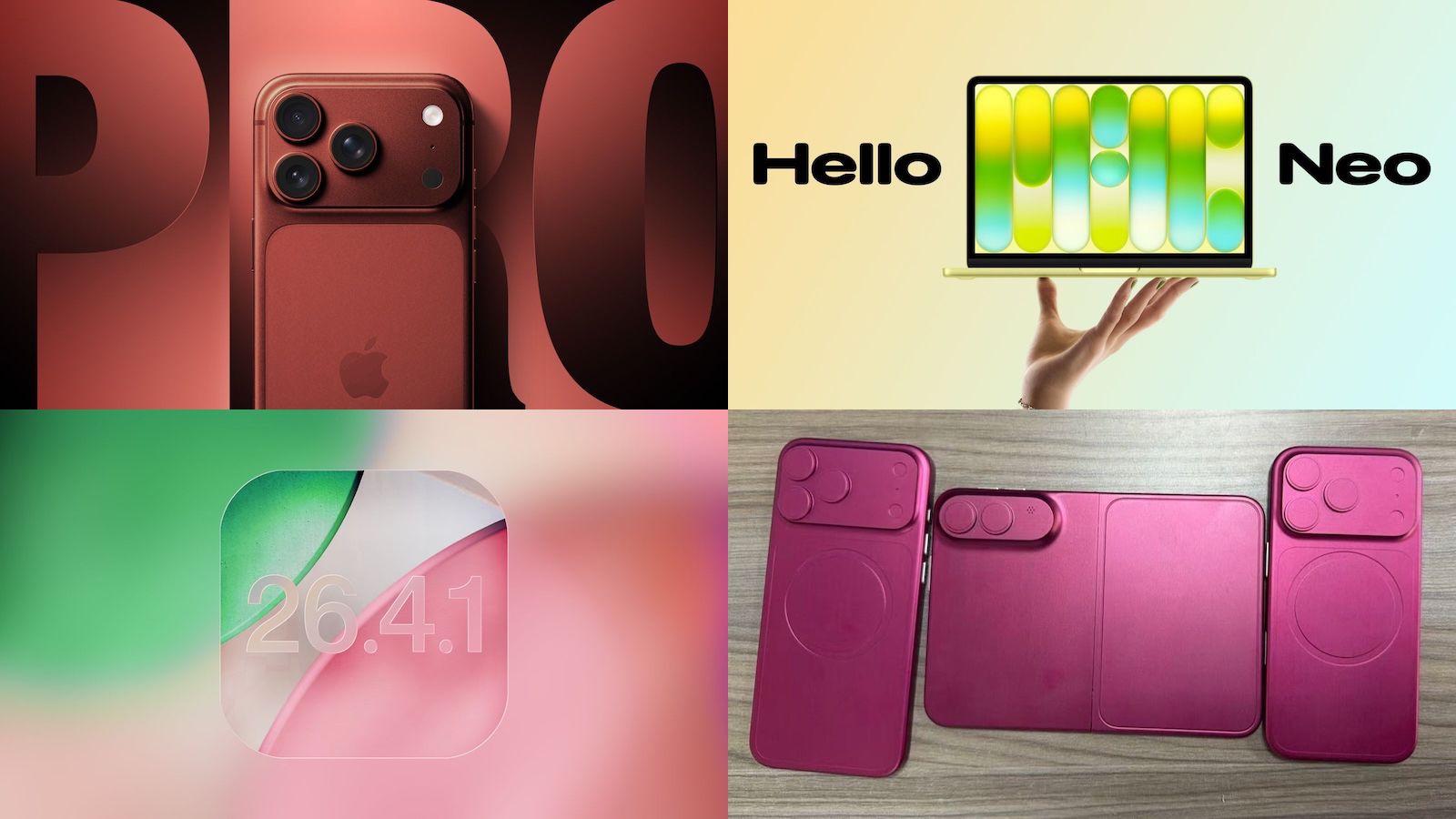
Apple’s next product cycle is shaping up around the iPhone 18 Pro, a foldable iPhone reportedly called the iPhone Ultra, and a refreshed Apple TV, with launch timing tied to Siri delays and production constraints. The MacBook Neo’s strong demand is creating a chip-supply dilemma that could pressure margins, while iOS/macOS 26.4.1 delivered minor bug fixes and security-related changes. Several popular apps, including ChatGPT, Google Meet, Audiomack, and WhatsApp, were added or upgraded for CarPlay, but the overall piece is mostly a product-roadmap roundup rather than a market-moving update.
The near-term readthrough is not just product-cycle hype; it is a margin-management story. If Apple is forced to “downgrade” fully functional silicon to preserve a lower-tier device spec, that is a quiet gross-margin tax that only shows up once volumes scale, which makes the current enthusiasm for the budget Mac line a double-edged sword for AAPL. The second-order beneficiary is actually the chip supply chain: any need to stockpile or divert binned dies increases demand visibility for foundry and packaging capacity, while reducing Apple’s flexibility if premium iPhone demand surprises to the upside.
The foldable/"Ultra" positioning matters because it suggests Apple is trying to reserve a new price umbrella rather than create a mass-market category. That is supportive of ASPs, but it also means the launch is more likely to be a small-unit, high-margin event than a broad volume driver for at least the first 2-3 quarters. The key risk is execution: foldables are unforgiving on yields, so any supply issue could push the launch into a “halo-only” cycle, which is positive for brand but underwhelming for revenue mix.
The Siri-related delays on Apple TV are a reminder that Apple’s AI narrative remains uneven across product lines. That is a contrast risk: investors may be extrapolating AI-enabled hardware upgrades faster than Apple can ship the software layer that actually increases engagement. In the meantime, CarPlay app expansion is incremental but strategically important because it deepens the installed-base lock-in; the real value is retention, not monetization, and it modestly improves switching costs without requiring major capex.
Overall, the tape looks mildly constructive for AAPL, but the better setup is to fade expectations around a single “supercycle” and instead trade dispersion: stronger premium-device mix versus margin leakage from lower-tier volume. The market is probably underpricing the chance that Apple’s greatest constraint over the next 6-12 months is not demand, but chip allocation and feature readiness across a crowded launch calendar.
AI-powered research, real-time alerts, and portfolio analytics for institutional investors.
Request DemoOverall Sentiment
mildly positive
Sentiment Score
0.15
Ticker Sentiment
