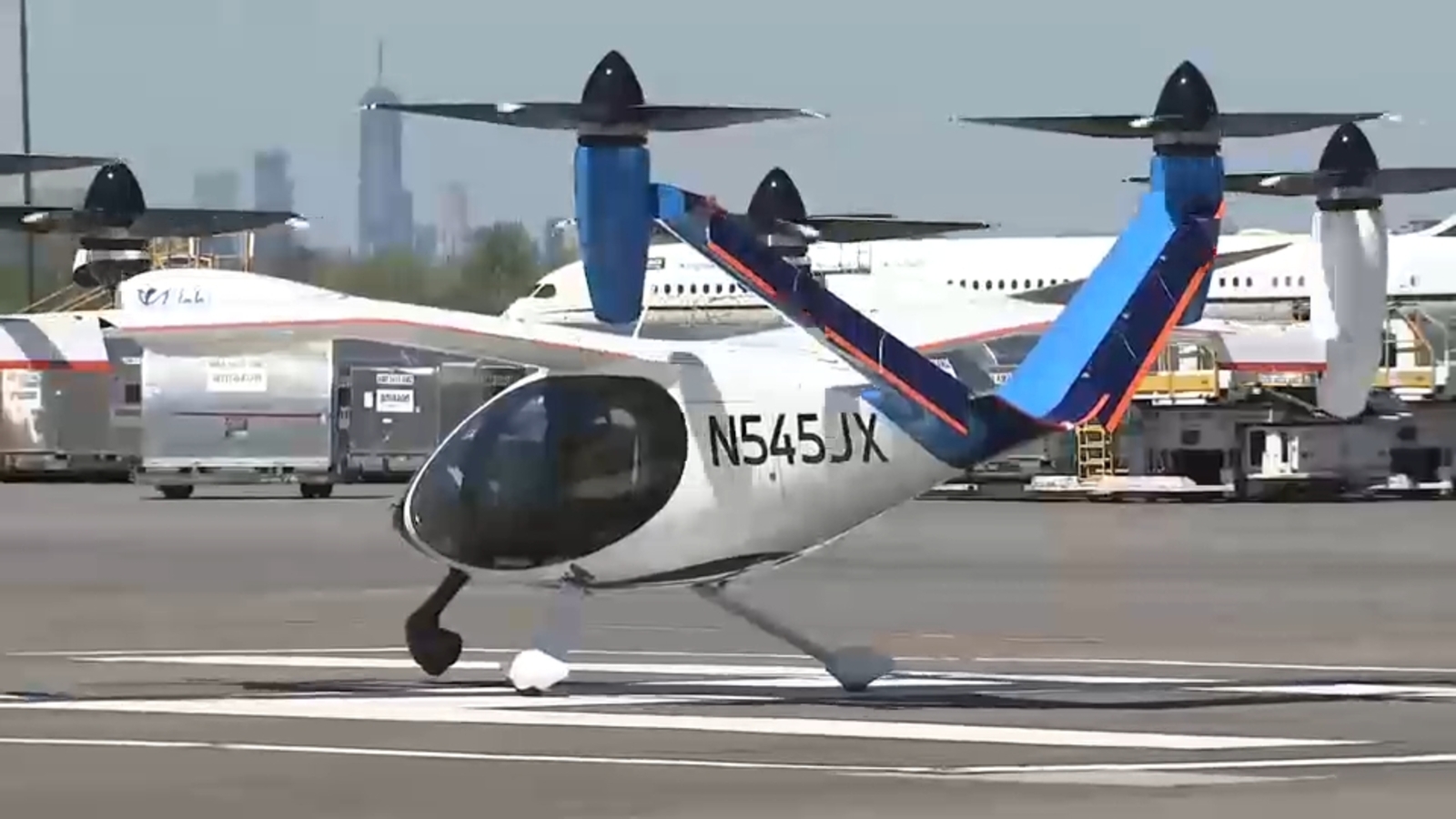
Joby Aviation completed a first-of-its-kind electric air taxi demonstration at JFK Airport, with the aircraft reportedly 100 times quieter than a traditional helicopter and capable of carrying four passengers plus a pilot. The company said it is seeking FAA certification and aims to launch in New York within the next year, with a proposed seven-minute transfer time from JFK to sites across Manhattan. The event highlights progress in next-generation electric aviation, but near-term market impact appears limited.
This matters less as a single demo and more as a regulatory signaling event: once a premium, high-visibility route is proven in New York, the bottleneck shifts from airframe physics to municipal permitting, vertiport access, and operating rules. That tends to compress the timeline for the entire eVTOL ecosystem, but the first monetization pool is likely not mass transit — it is VIP, airport transfer, and emergency logistics, where willingness to pay is high and trip frequency is episodic.
The near-term beneficiary set is broader than JOBY. Vertiport operators, airport infrastructure contractors, battery suppliers, and avionics/software vendors gain leverage if city-to-airport corridors become legitimized. The second-order risk is that incumbent helicopter operators face a demand mix problem: even if the absolute market stays small initially, the most profitable short-haul routes are the ones most vulnerable to substitution because quiet, lower-nuisance aircraft expand addressable operating windows and community tolerance.
The market is likely underestimating certification slippage risk. A public demo can accelerate commercial adoption sentiment without materially de-risking FAA, safety, fleet reliability, charging turnaround, or weather-performance constraints; any of those can push revenue out by 12-24 months. The contrarian angle is that the stock can continue to rerate on narrative alone in the next 1-3 months, but the business model remains highly path-dependent: one incident, one certification delay, or one local political pushback could reset expectations quickly.
From a competitive standpoint, this is also a test of whether infrastructure incumbents or pure-play OEMs capture the value chain. If New York starts preparing heliport and airport integration now, the toll-like economics may accrue more to access owners and fleet managers than to aircraft manufacturers, which argues for being selective rather than treating this as a blanket eVTOL bull case.
AI-powered research, real-time alerts, and portfolio analytics for institutional investors.
Request DemoOverall Sentiment
mildly positive
Sentiment Score
0.25
Ticker Sentiment
