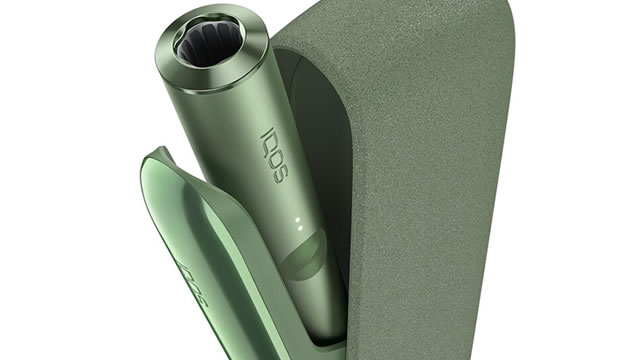
Philip Morris International posted record Q2 2026 net revenues of $11.19B, alongside 15.2% growth in adjusted EPS and expanding margins. Smoke-free products rose to 42% of revenues, with IQOS and ZYN supporting global share gains and further margin expansion. With a ~3% dividend yield and capital allocation optionality after deleveraging, the setup remains bullish and is likely to support continued positive stock reaction.
PM is starting to behave less like a declining nicotine cash machine and more like a mix-shift story with operating leverage. The key market mechanism is not the top-line print itself, but the compounding effect of higher-margin smoke-free adoption: as that mix rises, the company can fund both pricing and capital returns with less dependence on cigarette volume, which should narrow the valuation discount versus higher-quality defensives.
The second-order loser is the rest of the combustible-heavy tobacco complex, especially names where growth still depends on defending shrinking cigarette pools. If PM can keep taking share in pouches and heated tobacco, it creates a benchmark that exposes slower innovators to multiple compression, even if their current cash yield looks similar. Retail shelf space also matters: nicotine pouches and heated products are more adjacency- and impulse-driven than cigarettes, so incremental distributor support can be more durable than headline share gains suggest.
Main risks are regulatory and mix-quality related. The near-term watch item is whether smoke-free growth is genuine consumer pull or channel loading; over 1-3 months, margin expansion and constant-currency EPS revisions matter more than revenue. Over 6-18 months, the real catalyst is a re-rating if PM proves it can sustain the current mix trend while deleveraging into buybacks; the thesis breaks if pouch regulation tightens materially or if smoke-free growth slows enough to leave the stock back as a pure yield proxy.
AI-powered research, real-time alerts, and portfolio analytics for institutional investors.
Overall Sentiment
strongly positive
Sentiment Score
0.55
Ticker Sentiment
