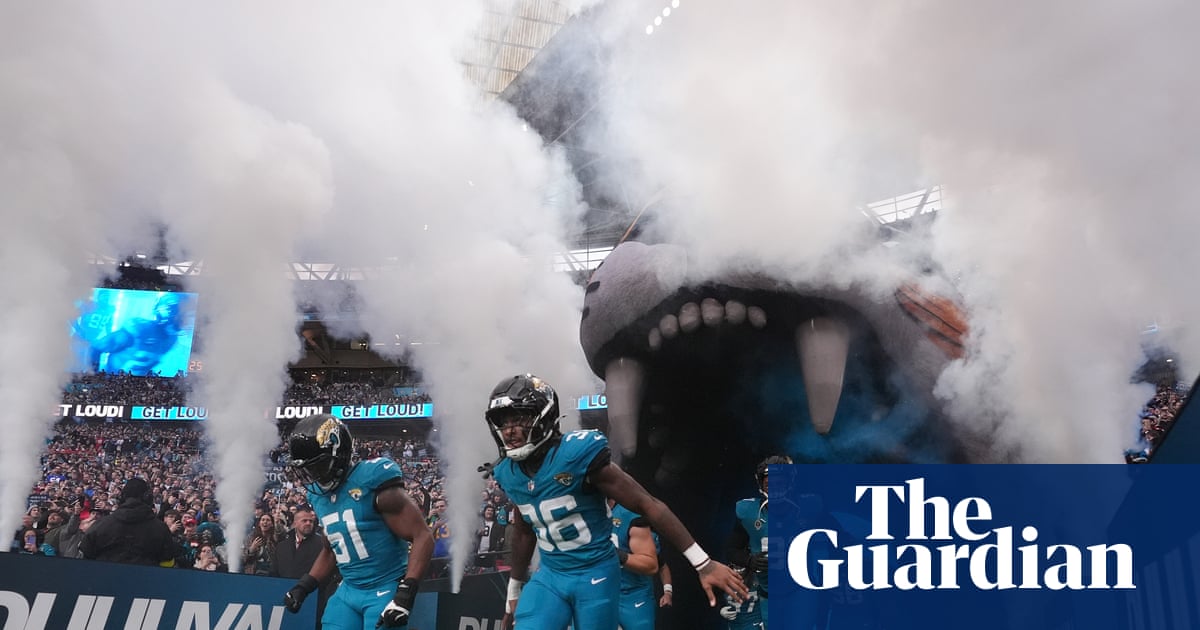
The NFL announced its nine international games, spanning seven countries and four continents, including first-ever regular-season games in Australia and France. Key matchups include 49ers-Rams in Melbourne on 10 September, Ravens-Cowboys in Rio on 27 September, and Steelers-Saints in Paris on 25 October. The schedule also features games in London, Spain, Germany, and Mexico City, with the full regular-season slate due Thursday.
The bigger economic signal is not the games themselves but the NFL’s willingness to use inventory dispersion as a monetization lever. That shifts value toward media partners that can package fragmented, timezone-specific windows into premium ad slots, and toward travel operators that can convert one-off events into destination demand without needing local team allegiance. The NFL is effectively turning its brand into a touring properties business, which is more scalable for sponsorship and hospitality than traditional single-market stadium economics.
Second-order winners are the enablement layers: airlines, airport services, hotels, rideshare, and payment rails that capture high-margin spend around marquee events. The most underappreciated effect is on local labor and logistics pricing in host cities, where short-duration surges can strain capacity and inflate last-mile costs, benefiting operators with flexible staffing and inventory. Media rights holders also gain a data advantage: international game inventory likely commands higher CPMs because it concentrates affluent tourists and sports fans with better conversion than generic prime-time inventory.
The main risk is execution rather than demand. Each incremental country adds regulatory, security, and broadcast complexity; a single operational miss can depress future willingness to expand the tour and cap the premium multiple the league is trying to build. Over a 6-12 month horizon, the key question is whether international games create incremental consumption or merely substitute for domestic attendance and local TV viewing; if substitution dominates, the revenue uplift is smaller than the brand narrative suggests.
Contrarian view: consensus is treating this as pure growth, but the scarce resource is not fan interest, it is operational bandwidth. If flight capacity, visa processing, and venue labor tighten around these dates, margins for travel beneficiaries can compress even as top-line demand rises. That argues for owning the platform owners and selected media beneficiaries over the more obvious travel proxies, which may be priced for headline upside without enough attention to event-specific cost inflation.
AI-powered research, real-time alerts, and portfolio analytics for institutional investors.
Request DemoOverall Sentiment
neutral
Sentiment Score
0.05
