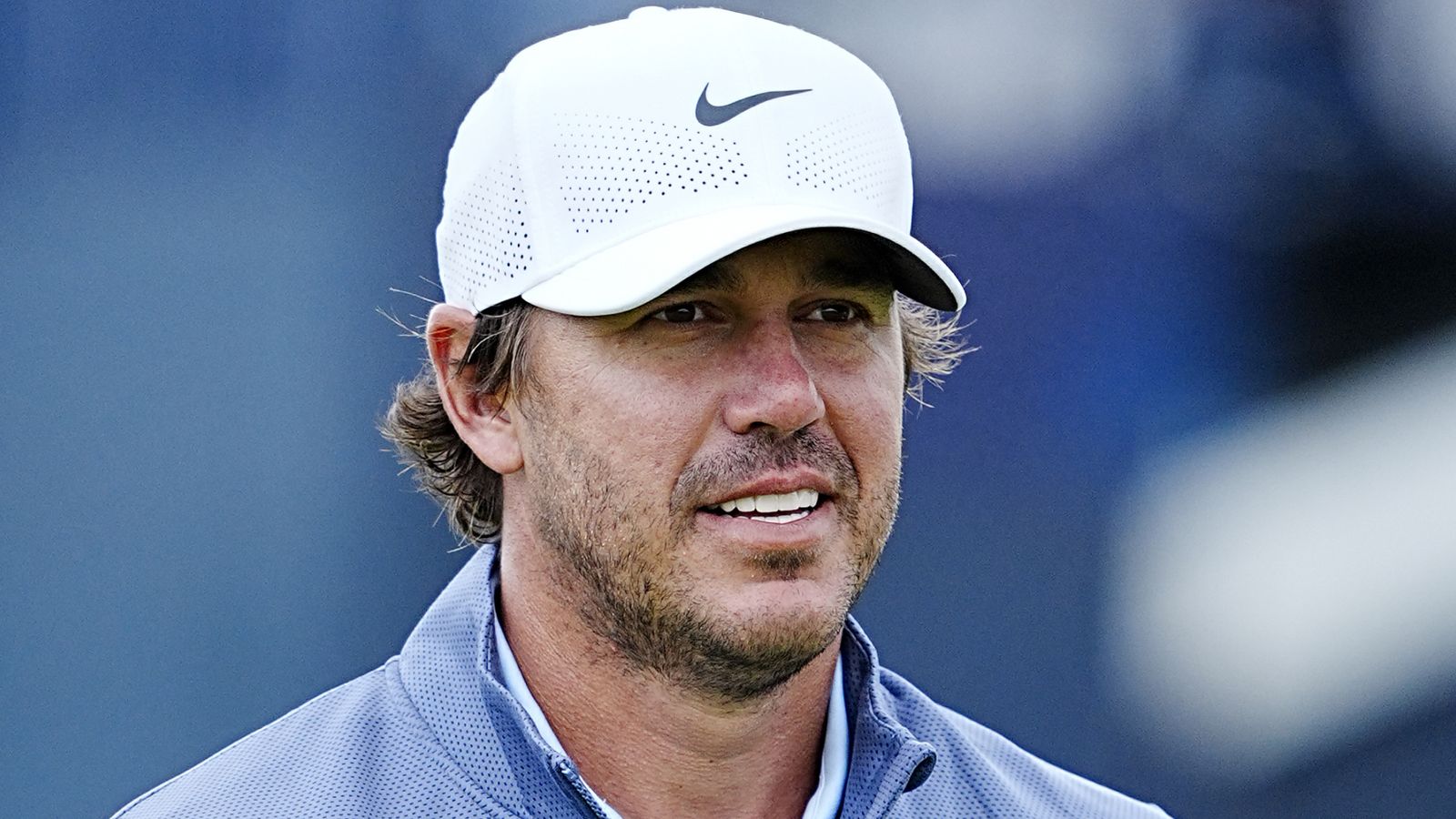
The PGA Tour has reinstated Brooks Koepka under a newly created Returning Member Program that allows players away for at least two years who have won The Players or a major within the past four seasons to regain membership; Koepka is exempt through 2028 and will return at the Farmers Insurance Open. Reinstatement carries significant financial consequences: a $5 million charitable donation, five-year ineligibility to receive equity from the Player Equity Program and exclusion from FedExCup Bonus Program payouts for 2026, with the PGA estimating Koepka's potential lost earnings at roughly $51–85 million. The same pathway is available to DeChambeau, Cameron Smith and Jon Rahm (application deadline Feb. 2), a development that may alter tour rosters and the commercial economics of PGA Tour Enterprises while the Tour says it will expand fields where necessary to protect current members.
Market structure: The PGA Tour regaining elite names (Koepka now, DeChambeau/Smith/Rahm optional) shifts bargaining power back toward legacy rights holders and sponsors — expect incremental TV/attendance upside concentrated around premium events (Players, majors) within 3–12 months. Direct winners: rights holders/broadcasters (e.g., Comcast CMCSA via Sky/NBC), equipment/apparel (Callaway ELY, Nike NKE) and sportsbooks (DraftKings DKNG, PENN) from higher viewership/handle; losers: LIV Golf’s perceived long‑term franchise value and private Player Equity claims. Rights-fee leverage could move mid-single digits (5–10%) if multiple stars return, improving cashflows at media owners and event hospitality revenues.
Risk assessment: Tail risks include renewed antitrust litigation, sponsor withdrawals, or a star exodus back to LIV that would re-fragment TV demand; low-probability but high-impact outcomes are legal/regulatory actions within 6–24 months that could depress valuations by >20%. Short-term catalysts: Feb 2 player decisions and Feb 4 LIV roster reveals; near-term metrics to watch are TV ratings for Farmers Insurance/WMPhoenix (reference: >+5% YoY as positive trigger) and incremental betting handle week‑over‑week. Hidden dependencies include the PGA Tour’s field-expansion policy diluting exclusivity and long-term structuring of the Player Equity Program which affects player incentives and private valuations.
Trade implications: Tactical trades should overweight media and betting exposure ahead of early‑season events (action within 0–60 days) and use option structures to cap downside. Relative‑value: long CMCSA vs short DIS to isolate benefit to Sky/NBC; buy calls on DKNG ahead of majors to capture transient volatility; equipment/apparel longs (ELY/NKE) sized modestly for merchandise tailwinds over 3–9 months. Exit rules: trim on single‑event TV lift <+2% or expand if sustained lift >+5% across two events.
Contrarian angles: Consensus underestimates marginal revenue per returning star — a sustained 5% ratings lift on marquee events could add $50–150m/year to rights holders, materially above market noise. Historical parallels (post‑lockout reunifications in other sports) show quick rebounds in rights valuations and sponsorship spend, implying current sell‑side caution may be overdone. Unintended consequences: franchises of smaller tours and mid‑tier pros may suffer (reduced sponsor exemptions), creating friction and potential litigation; monitor sponsor renewal language and PGA Tour’s equity disclosures as leading indicators.
AI-powered research, real-time alerts, and portfolio analytics for institutional investors.
Request DemoOverall Sentiment
neutral
Sentiment Score
0.00
