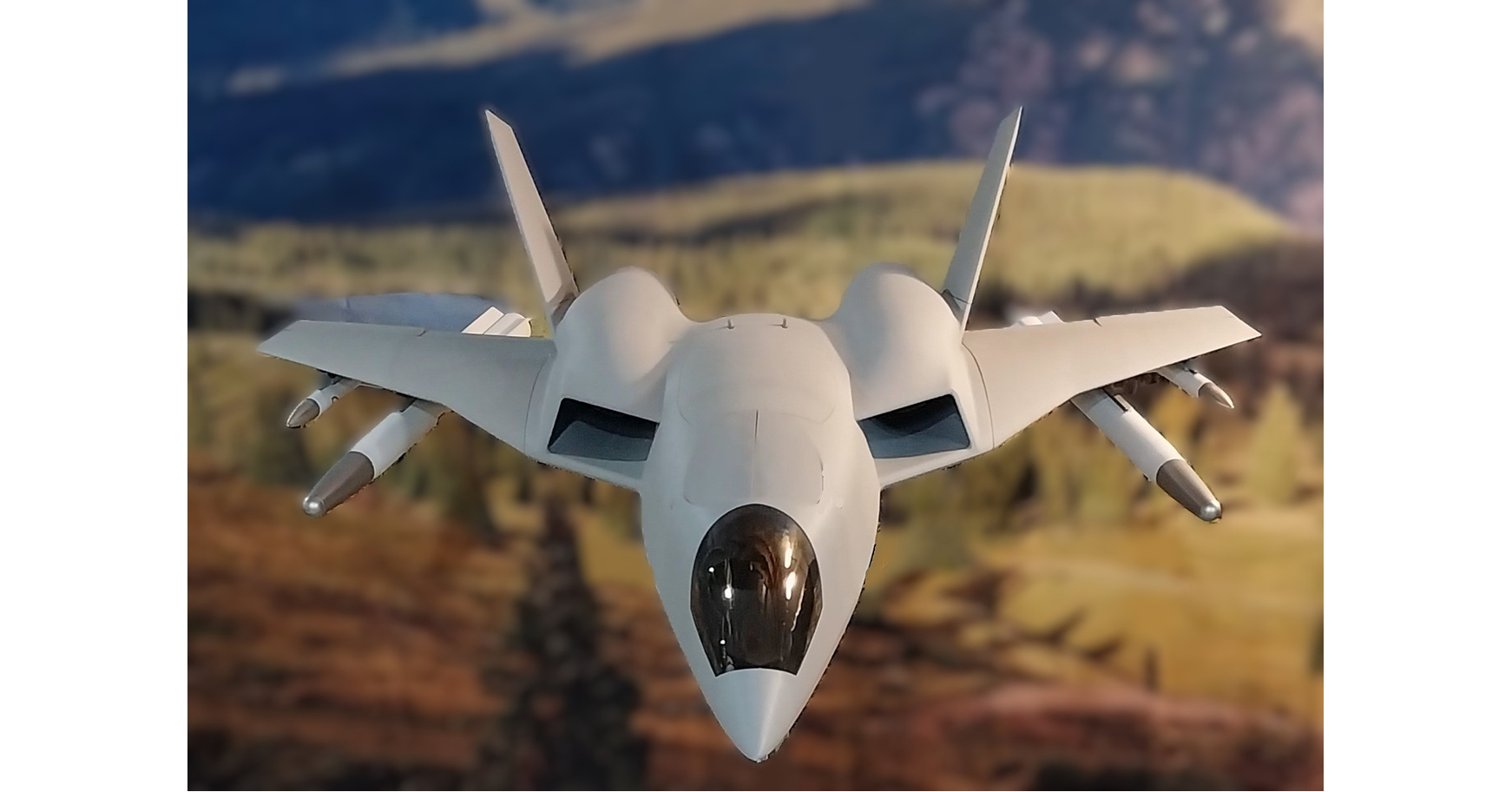
SkyDefense unveiled the AI-powered VTOL counter-UAS interceptor jet “CobraJet™,” touting 360 kph (electric duct fan) or 560 kph (hybrid turbojet) speeds and autonomous day/night drone detection and neutralization using onboard sensors and AI autopilot. The system pairs the aircraft with low-cost attritable drone interceptors (e.g., 18mm COPPERHEAD rounds and 40mm CUDA Mach 0.5 guided rounds, plus 45mm VIPER Mach 1.0 missiles) and a VRAM command system designed to operate in contested electromagnetic environments using anti-jam and Starlink/Starshield connectivity. Counter-UAS field tests are planned for Q4 2026, with production targeted for Q1 2027—an execution timeline that could be incremental for defense/spaceflight stakeholders but is unlikely to move public markets immediately.
This reads more like a procurement narrative than an investable revenue event. The near-term market mechanism is not earnings for a single vendor, but a possible re-rating of counter-UAS as a layered defense category: sensors, electronic warfare, secure comms, and C2 should capture budget before any bespoke interceptor platform does. If customers accept the “low-cost attritable” framing, that is mildly negative for expensive missile magazine economics and positive for systems integrators that can stitch together detection-to-engagement workflows.
The second-order winner set is likely the boring layer: radar/EOIR, battlefield networking, and command software. That argues for defense primes and sensor-heavy names over pure-play autonomy stories, because adoption will be gated by integration, testing, and rules-of-engagement approval rather than by airframe performance alone. The implied competitive pressure is on expensive kinetic interceptors and on any drone-defense vendor whose value prop depends on one magic-platform solution instead of a multi-layer stack.
The real catalyst is not the announcement; it is the Q4 2026 field test and whether a funded pilot converts into a program of record in 2027. Falsifiers are straightforward: no DoD or allied pilot, failure in jammed environments, or procurement delays from airspace/regulatory constraints. Until then, this is mostly theme optionality, and the move could easily be overdone if retail chases “AI defense” headlines without evidence of contractability or gross-margin durability.
Contrarian view: the market may be underestimating how much of the spend ends up in non-glamorous integration and sustainment versus the interceptor itself. That favors larger platforms with existing customer access and punishes small-cap autonomy names that still need to prove kill-chain reliability.
AI-powered research, real-time alerts, and portfolio analytics for institutional investors.
Request DemoOverall Sentiment
mildly positive
Sentiment Score
0.15
