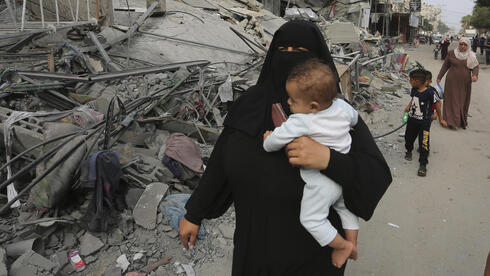
The article describes widespread allegations of sexual exploitation, extortion, and abuse of vulnerable women in Gaza, with reported involvement of Hamas-linked individuals and efforts to suppress complaints. UNFPA says at least 400 girls aged 14 to 16 were registered as married in just four months of 2025, highlighting a sharp deterioration in humanitarian conditions. The story is highly negative from a human-rights and geopolitical standpoint, though direct market impact is likely limited.
This is not just a humanitarian deterioration story; it is a governance-collapse signal that raises the probability of localized instability, aid diversion, and informal coercion becoming embedded economic behavior. When basic distribution channels are captured by predatory actors, the effective “tax” on aid rises, which tends to lengthen dependency, weaken labor force participation among women, and reduce the chance of any credible post-conflict reconstruction framework gaining traction. That matters for regional risk pricing because failed civilian administration increases the odds of renewed security operations and makes any ceasefire economically fragile.
Second-order effects are more important than the headline itself. The near-term loser set extends beyond Hamas: NGOs, UN-linked contractors, and local service providers face reputational and operational scrutiny, while any third-party logistics or humanitarian-adjacent organizations in adjacent jurisdictions could see tighter donor compliance, slower disbursements, and more restrictive oversight. Over months, that can translate into less efficient aid throughput, more leakage, and higher costs for anyone trying to stabilize the enclave or neighboring border economies.
The market implication is mostly through regional tail risk rather than direct asset exposure. The biggest asymmetric risk is a jump in ceasefire fragility and a renewed security cycle, which would support defense, cybersecurity, and Israel-exposed hedges, while pressuring EM risk appetite, freight-sensitive names, and anything levered to Middle East normalization. A contrarian read is that the market may underprice how quickly donor fatigue and compliance constraints can harden into a de facto blockade of reconstruction capital over the next 3-12 months, even without a formal policy change.
AI-powered research, real-time alerts, and portfolio analytics for institutional investors.
Request DemoOverall Sentiment
extremely negative
Sentiment Score
-0.85
