

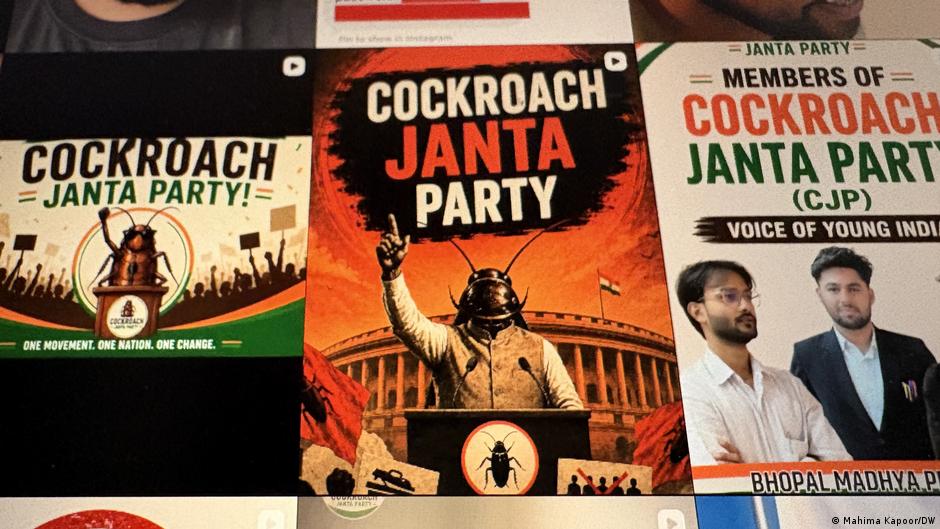
India's June 1 news roundup was dominated by domestic political and policy developments, including protests planned by Cockroach Janta Party founder Abhijeet Dipke over alleged exam irregularities and Rahul Gandhi's fraud आरोप in Class 12 exam marking. The government also raised commercial LPG cylinder prices in Delhi to 3,113.50 rupees from 3,071.50 rupees, adding modest cost pressure on restaurants. Separately, Prime Minister Narendra Modi met Myanmar President Min Aung Hlaing during a five-day visit, while Royal Challengers Bengaluru retained the IPL title.
LPG is the cleaner macro read-through here: repeated commercial cylinder hikes are a margin transfer from food service and small hospitality into upstream/marketing books, but the second-order effect is demand destruction, not just pass-through. The first pain shows up in high-frequency discretionary spending—small restaurants, caterers, and delivery-heavy formats—where fuel is a visible line item and menu repricing lags by weeks, not days. That creates a short-window earnings squeeze for consumer-facing chains with weak pricing power, while larger organized players can defend share if they can absorb or hedge input costs.
The political backdrop is a bigger risk than the nominal rupee increase. Price moves that are justified as “commercial only” can still become a consumer inflation narrative if they cluster with food and transport costs, which raises the odds of targeted subsidies or policy pushback within the next 1-2 months. The key contrarian angle is that the market may be underestimating elasticity: even modest cylinder inflation can accelerate substitution toward electric induction in urban kitchens and push small operators into informal procurement channels, which blunts state-owned marketers’ volume capture.
RCB is the opposite: a sentiment-positive event with limited direct fundamental spillover, but meaningful monetization through media, sponsorship, and franchise valuation optionality. The second-order winner is the cricket ecosystem broadly—broadcasters, betting-adjacent engagement platforms, and sponsors get a short-lived spike in attention—while the risk is that title defense euphoria overprices brand momentum into the next rights cycle. That said, the durability of Kohli-led engagement is real over a multi-quarter horizon because it sustains fan conversion and merchandise demand better than one-off tournament wins.
The broader political headlines around exams and protests matter because they extend the window for policy distraction and social friction, which can cap near-term reform credibility. That is not a market crash catalyst, but it raises the probability of more headline risk around education, regulation, and campus unrest over the next several weeks, which favors low-beta positioning over event-driven India longs.
AI-powered research, real-time alerts, and portfolio analytics for institutional investors.
Request TrialOverall Sentiment
neutral
Sentiment Score
-0.05
Ticker Sentiment
