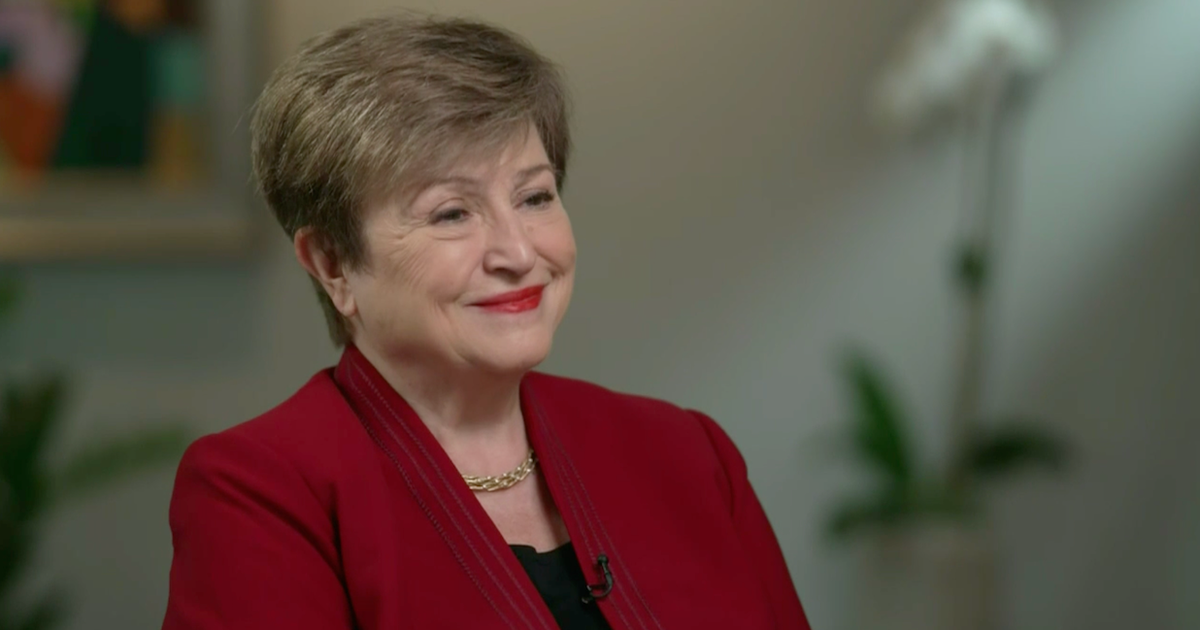
The IMF warned that Anthropic's Claude Mythos Preview could intensify cybersecurity risks, with Kristalina Georgieva saying the world does not have the ability to protect the international monetary system against massive cyber threats. Fed Chair Jerome Powell and Treasury Secretary Scott Bessent reportedly held an urgent meeting with Wall Street leaders to discuss the issue, underscoring concern across regulators and financial institutions. Anthropic said the model has already found thousands of high-severity vulnerabilities, raising potential risks for financial stability, public safety, and national security.
This is less an AI headline than a systemic-risk repricing event for the financial plumbing layer. The near-term beneficiaries are not the frontier-model developers but the vendors that sell defensive automation into regulated environments: zero-trust, identity, endpoint, SIEM/SOAR, and incident-response platforms should see procurement urgency rise across banks, exchanges, payments, and critical infrastructure. The second-order effect is budget reallocation: AI capex gets a larger share of enterprise IT spend, but security spend should compress less than software more broadly because cyber risk is now being framed as balance-sheet and stability risk, not just IT hygiene.
For banks and market infrastructure, the key issue is operational leverage: a small increase in attack success rates can force outsized spending on redundancy, manual controls, and third-party audits. That argues for margin pressure in smaller financial institutions and fintechs that lack scale to absorb higher compliance and resilience costs, while the largest custodians and diversified banks can spread those fixed costs and potentially gain share as counterparties migrate toward perceived safety. The more interesting market implication is that any broad AI enthusiasm in financial services may bifurcate into winners that monetize security and losers that face slower deployment due to governance friction.
The immediate catalyst window is days to weeks, but the tradeable setup lasts months because regulators tend to react after a public scare by imposing documentation, testing, and model-access controls. The contrarian view is that the first market reaction may overstate the odds of a near-term catastrophic breach: the model’s power increases defender advantage first, because regulated buyers are the ones allowed to use it safely and will capture the earliest productivity gains. The bigger risk is not a headline attack tomorrow; it is a gradual tightening of AI governance that delays revenue conversion for adoption stories while steadily lifting the valuation multiple of cyber defensives.
AI-powered research, real-time alerts, and portfolio analytics for institutional investors.
Request DemoOverall Sentiment
moderately negative
Sentiment Score
-0.25
