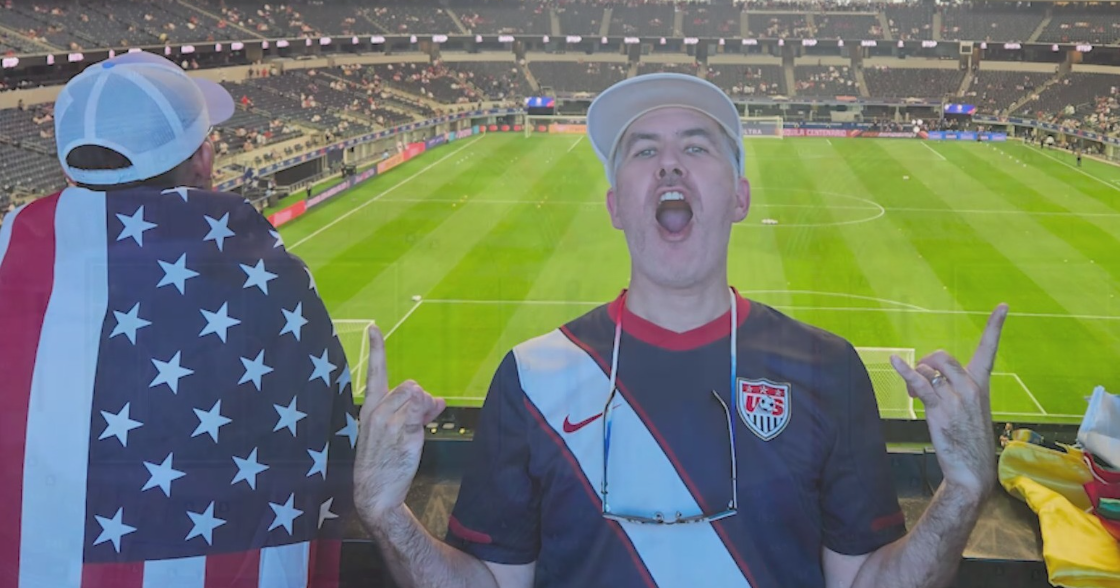
New York and New Jersey attorneys general are reviewing complaints over FIFA World Cup ticketing practices, including claims that buyers of Category 1 seats were later assigned lower-tier sections. FIFA said the maps were only guidance and seat layouts evolved as fan sections and stadium plans were finalized. The issue is a consumer-facing dispute with legal and reputational risk, but limited direct market impact.
This is less a one-off consumer complaint than a governance and execution-risk signal for any large live-event operator with variable venue mapping, dynamic inventory allocation, and heavy third-party dependence. The second-order issue is trust: if buyers believe premium tiers are fungible after purchase, future demand elasticity rises and the seller may have to discount earlier or spend more on guarantees, refund policies, and customer service. That pressure is most acute for entities monetizing scarcity and tiered access, where a small percentage of mis-sold inventory can create outsized reputational damage. The legal overhang is likely to stay contained in dollars but not in process. Near-term exposure is primarily remediation costs, chargebacks, and forced disclosure changes; the bigger risk over 3-12 months is regulatory precedent that broadens what must be disclosed for “illustrative” seating maps and how much post-purchase flexibility is permitted. If attorneys general push for documentation, the burden lands on ticketing platforms and event operators alike, raising friction for future high-demand releases across sports, concerts, and conventions. Contrarian view: the market may be underestimating how little this matters financially to the organizer in isolation, while overestimating the likelihood of a punitive settlement. The more durable impact is on conversion rates for premium inventory, especially among occasional buyers who are most sensitive to trust breaches. If complaints cluster around marquee events, that can compress willingness to pay across the whole live-events ecosystem faster than any headline fine would suggest.
AI-powered research, real-time alerts, and portfolio analytics for institutional investors.
Overall Sentiment
mildly negative
Sentiment Score
-0.20
