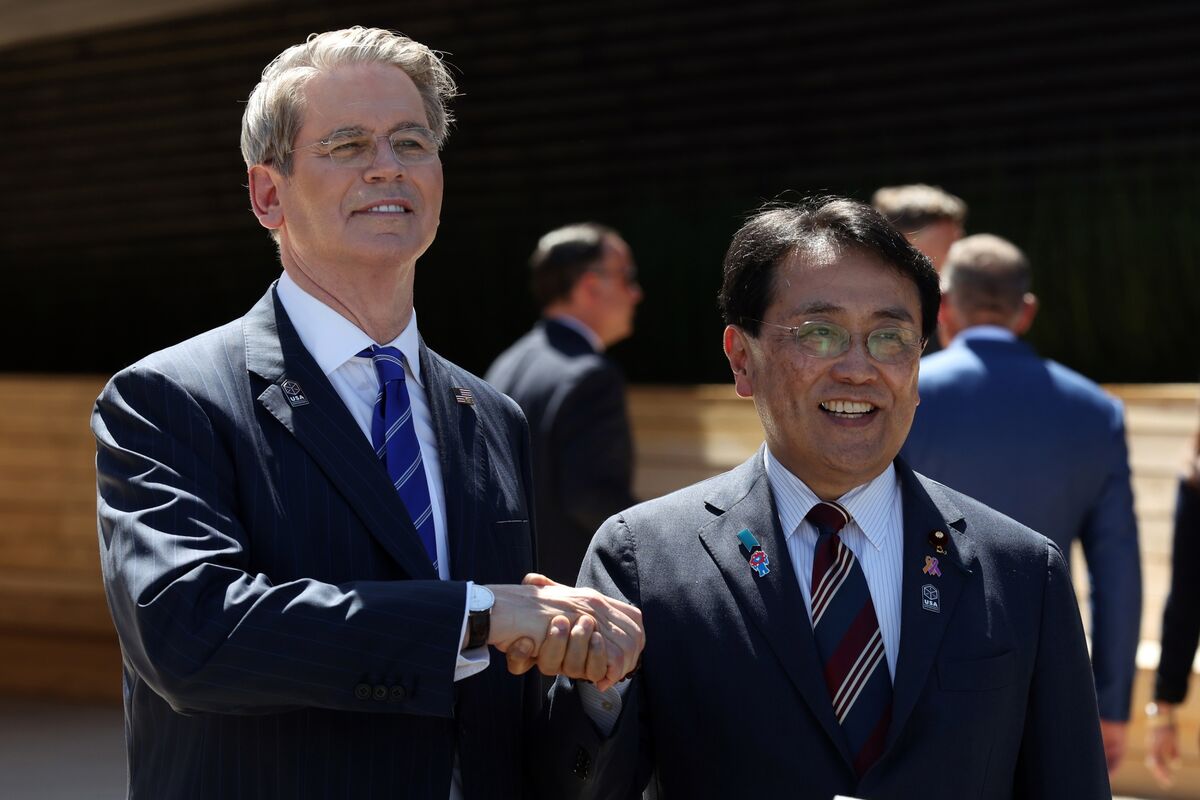
Former US Trade Representatives Bob Zoellick (Bush administration) and Mike Froman (Obama administration), both architects of past free trade policies, are set to offer their perspectives on the risks and opportunities presented by President Trump's trade war. Their insights are particularly relevant given their extensive experience in shaping global trade negotiations.
The article announces an upcoming discussion with two former high-ranking US trade officials, Bob Zoellick (Bush administration) and Mike Froman (Obama administration), regarding President Trump's trade policies. As key figures who previously championed and negotiated free trade agreements, their perspectives are positioned as a significant counterpoint to the current administration's protectionist stance. The piece itself is purely informational, serving as a preview of an expert analysis on the 'risks and opportunities' of the ongoing trade war. It provides no new data or opinions, resulting in a neutral sentiment score and a negligible immediate market impact of 0.1. The primary value for investors is the signaling of a forthcoming expert commentary on critical macroeconomic themes, specifically trade policy, supply chains, and tariffs.
AI-powered research, real-time alerts, and portfolio analytics for institutional investors.
Request DemoOverall Sentiment
neutral
Sentiment Score
0.00
