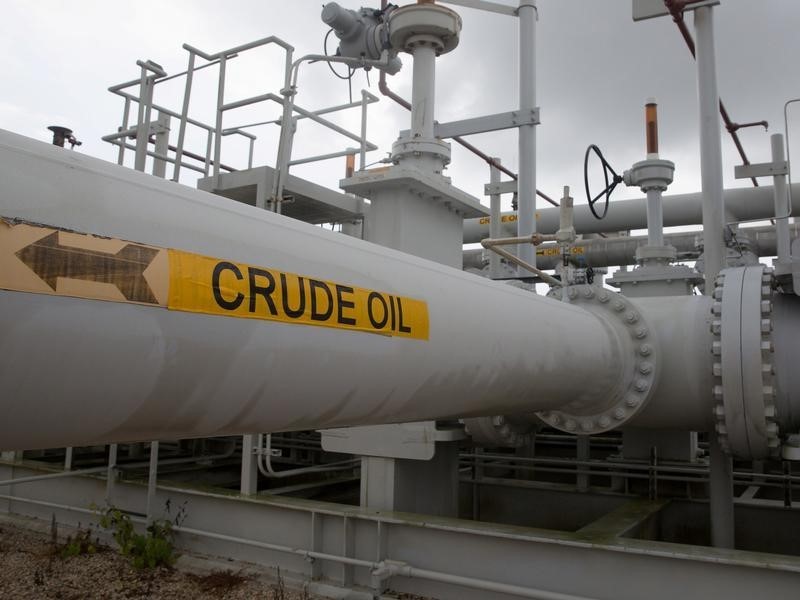
The U.S. requested an 86 million-barrel exchange from the Strategic Petroleum Reserve (part of a 172 million-barrel domestic release and a coordinated 400 million-barrel international effort), with deliveries beginning by the end of next week and bids due March 17. The administration plans to replace ~200 million barrels over the next year (about a 20% surplus versus the drawdown). The move aims to blunt fuel-price spikes after shipping through the Strait of Hormuz (roughly 20% of global oil) was paralyzed amid the Iran conflict; it should provide near-term crude futures relief but may not offset structural supply deficits and raises recession/inflation risks into the midterms.
When governments use temporary inventory swaps to supply the prompt market, the immediate effect is to relieve front-month tightness while creating a material timing mismatch down the curve: borrowed barrels must be returned with a premium, which often puts upward pressure on mid- to long-dated contracts as traders price in the eventual removal of that liquidity. Expect the mechanical impact to play out in days-to-weeks for prompt spreads and in months for calendar structures as return schedules and replacement procurement become visible to the market.
Second-order winners are those that capture wider near-term processing margins or benefit from longer voyage economics: refiners with flexible crude slates and domestic market access can take immediate margin share if feedstock softens, while owners of large tankers and storage can monetize longer voyages and storage arbitrage if shipping frictions persist. The losers are capital-intensive service names that rely on multi-year drilling momentum and insurers/short-vol strategies exposed to sudden spikes in marine risk; corporate hedges and operational readiness will determine relative performance.
Key catalysts that will reverse the current repricing are binary and fast: credible diplomatic de-escalation or rapid replacement procurement (weeks) will force front-month weakness and steep roll-into-contango unwind, while broadening regional disruption (months) will amplify freight and crude basis dislocations. Monitor weekly inventory prints, prompt vs 3–6M calendar spreads, and announced replacement tender schedules — each can flip positioning quickly and should be used as explicit trade triggers.
AI-powered research, real-time alerts, and portfolio analytics for institutional investors.
Request DemoOverall Sentiment
mildly negative
Sentiment Score
-0.25
