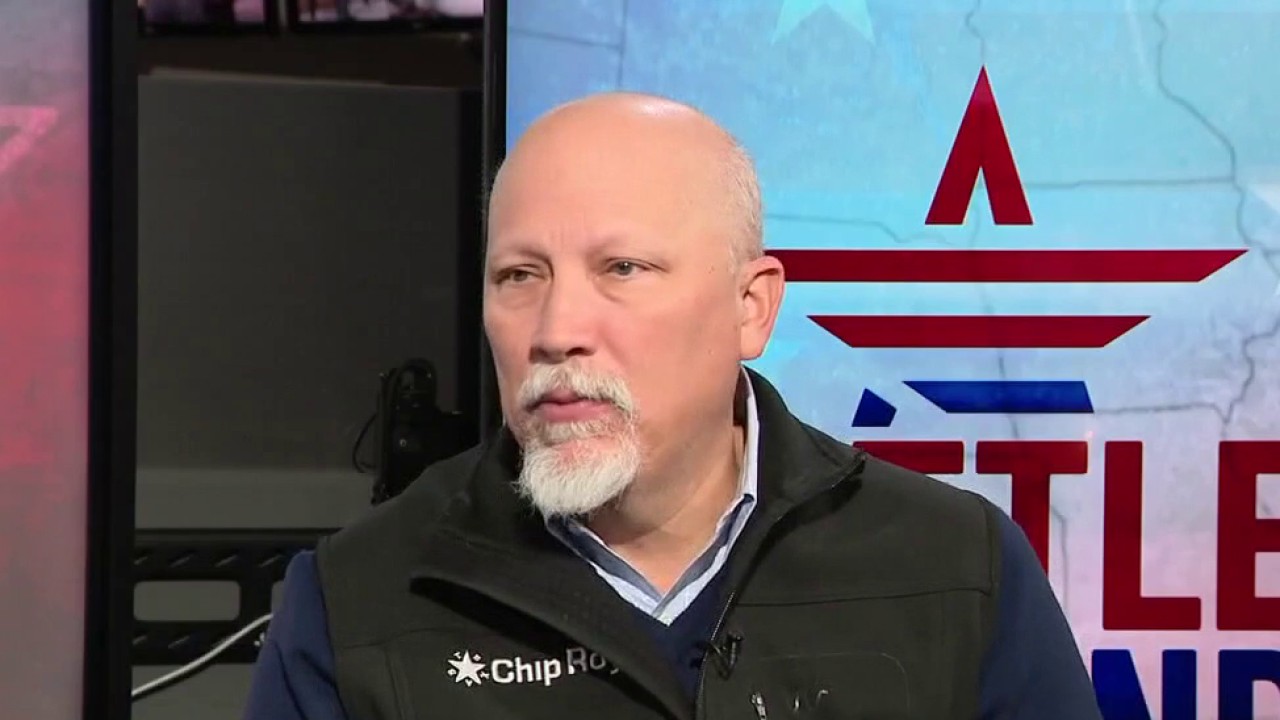
Texas runoff results show State Sen. Mayes Middleton defeating U.S. Rep. Chip Roy in the Republican attorney general race, while state Sen. Nathan Johnson beat former Galveston Mayor Joe Jaworski for the Democratic nomination. The article centers on the competitive contest to replace AG Ken Paxton, with no direct market-moving corporate or macroeconomic implications. It is primarily political reporting rather than financial news.
The market read is less about who wins the runoff and more about what kind of attorney general race Texas is becoming: a proxy contest between donor-driven institutional continuity and activist legal populism. A more self-funded, internally validated nominee tends to reduce the odds of a highly disruptive AG agenda, which matters for sectors that are sensitive to state enforcement discretion: energy, health care, fintech, and large employers with multi-state compliance exposure. The second-order effect is that the eventual AG’s coalition-building burden may be higher, making early office priorities narrower and more procedural than headline-grabbing. The more interesting setup is on the Democratic side, where a stronger-than-expected showing in a deep-red statewide race is not a near-term power shift but a signal that legal and consumer-protection messaging can still mobilize donors and suburban professionals. That does not change the state’s political baseline, but it can alter litigation strategy: more fundraising and candidate quality means more capacity for venue shopping, injunction attempts, and state-level pressure campaigns against corporates over the next 12-24 months. For regulated companies, that raises the value of proactive settlements and compliance investment relative to waiting out the cycle. The contrarian angle is that the consensus may overestimate the market impact of the office itself and underestimate the fundraising arms race it implies. A better-funded AG platform increases the probability of expensive, long-duration legal challenges regardless of party, which is a modest negative for Texas-centric M&A, permitting timelines, and any business relying on state AG non-enforcement. The tail risk is not immediate policy shock; it is litigation normalization, where legal costs and timing uncertainty creep higher over several quarters even if the rhetoric remains unchanged.
AI-powered research, real-time alerts, and portfolio analytics for institutional investors.
Overall Sentiment
neutral
Sentiment Score
0.00
