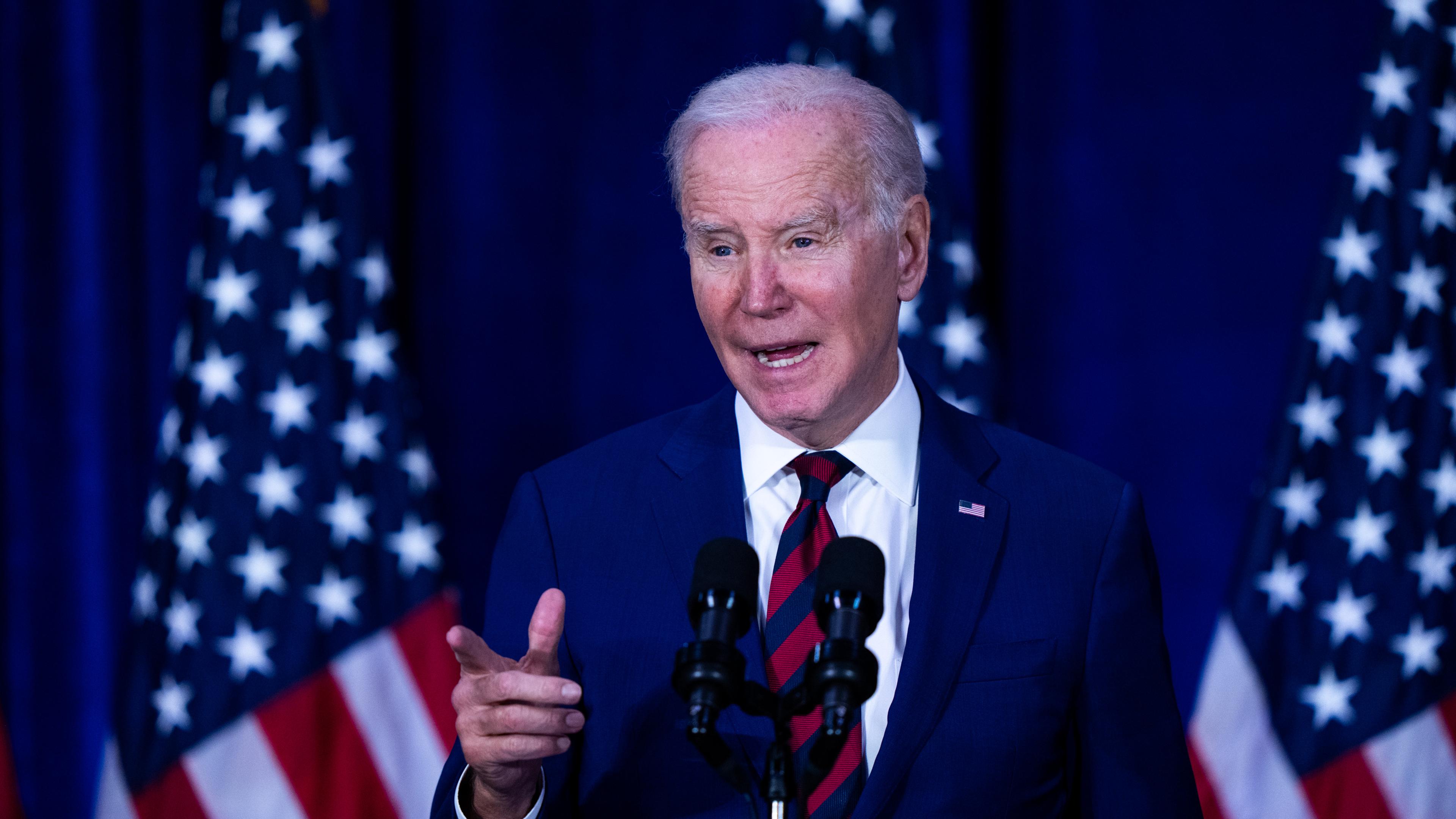
Former President Joe Biden filed suit in federal court to block the DOJ from releasing audio recordings and transcripts from private interviews tied to his 2017 memoir and Special Counsel Robert Hur’s classified-documents probe. The materials are reportedly slated for release on June 15 to the House Judiciary Committee and the Heritage Foundation, with Biden arguing disclosure would be an unlawful privacy invasion. The dispute is political and legal in nature, with limited direct market impact.
This is less a single legal headline than a broad-market signal that the policy premium around sensitive government records is rising again. The immediate beneficiaries are legal process firms, media discovery vendors, and platforms that monetize political content, while the main losers are anyone with exposure to reputationally sensitive data vaults: archives, autobiographical estates, and advisers who assumed interview materials would remain private indefinitely. The second-order effect is that FOIA and preservation battles become a more credible overhang for high-profile figures, which modestly increases litigation risk for boards and executives who maintain personal/device records that could later be subpoenaed or published. The timing matters more than the legal merits. In the next 2-8 weeks, the key catalyst is whether the court permits any disclosure path; if yes, the market will likely see an escalation cycle of filings, leaks, and cable-news-driven sentiment shocks rather than a clean one-day resolution. Over months, the bigger issue is precedent: a ruling that narrows privacy protections for interview recordings could encourage more disclosure campaigns against archives and foundations, creating a small but persistent tail risk for media, publishing, and research institutions that handle politically sensitive source material. The contrarian view is that the headline likely overstates direct economic impact but understates the durability of the controversy as a political engagement engine. If the release is blocked or delayed, the dispute itself still extends the news cycle and keeps related investigations alive, which is negative for uncertainty-sensitive assets and positive for attention-based media monetization. Conversely, if the materials are released and are anticlimactic, the trade is to fade the political volatility spike quickly; the real edge is in owning the ambiguity trade, not the disclosure event.
AI-powered research, real-time alerts, and portfolio analytics for institutional investors.
Request DemoOverall Sentiment
mildly negative
Sentiment Score
-0.20
