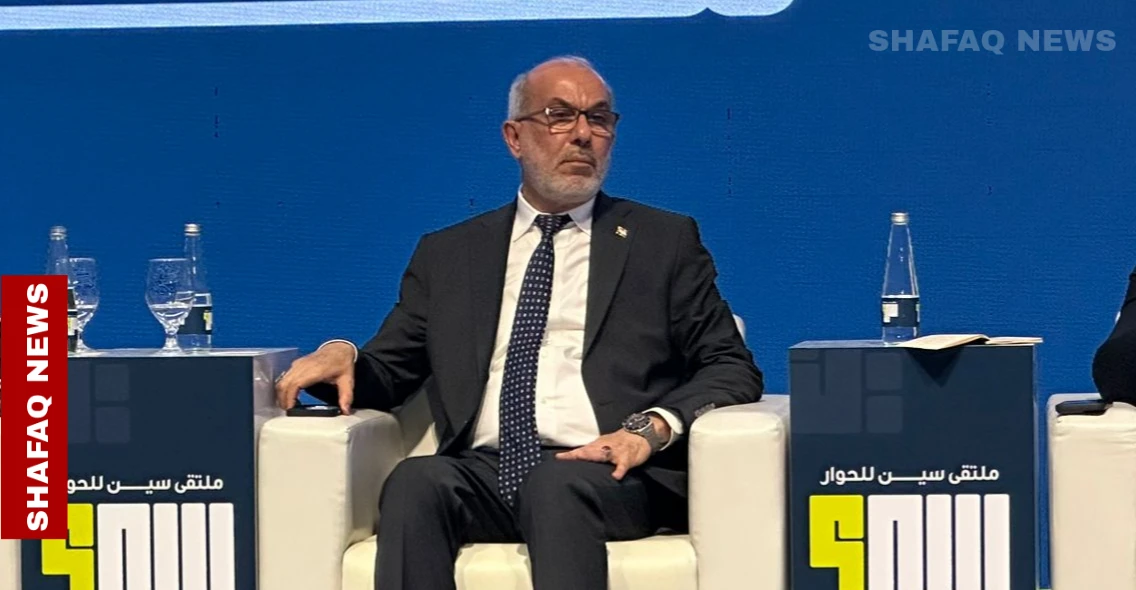
Iraq says closure of the Strait of Hormuz is forcing it to seek alternative export routes, with current flows only around 200,000 barrels per day through Ceyhan and limited fuel-oil shipments via Syria. The disruption is pressuring Gulf energy exports and underscores Iraq's need for a multi-year budget and new pipeline infrastructure, including the proposed Basra–Haditha link. Officials also reopened border crossings at Al-Waleed and Al-Rabia to support alternative trade routes and help stabilize domestic prices.
The key market implication is not just higher headline oil volatility, but a forced re-pricing of Gulf supply reliability. A prolonged choke point in Hormuz turns “regional spare capacity” into a fiction for any barrel that still needs to move by sea, which raises the value of inland logistics, storage, and politically insulated export routes relative to pure upstream exposure. The first-order beneficiaries are non-Gulf producers and downstream firms with feedstock flexibility; the losers are refiners and airlines exposed to prompt crude spikes and wider product cracks.
The second-order effect is that this is a capital allocation event, not only a shipping event. Iraq’s inability to rapidly replace the route means multi-year infrastructure spending becomes a strategic necessity, so the real trade is in companies that can sell pumps, pipelines, valves, EPC services, power systems, and port/logistics equipment into a budgeted rebuild cycle. If the closure persists for weeks, freight insurance, tanker rates, and storage economics should tighten further; if it lasts months, governments will start to prioritize physical routing over fiscal discipline, which can crowd in infrastructure spend despite weak public balance sheets.
Near term, the market is likely underestimating the asymmetry between a temporary reopening and a durable normalization. Even a partial diplomatic thaw may not restore confidence quickly because traders will demand proof that flows can remain uninterrupted through another escalation cycle. The contrarian view is that the supply shock may be less about lost barrels than about optionality: once buyers de-risk Middle East supply chains, some of that demand shifts permanently to Atlantic Basin barrels and non-Gulf logistics, creating a structural winner set beyond the event window.
AI-powered research, real-time alerts, and portfolio analytics for institutional investors.
Request DemoOverall Sentiment
strongly negative
Sentiment Score
-0.55
