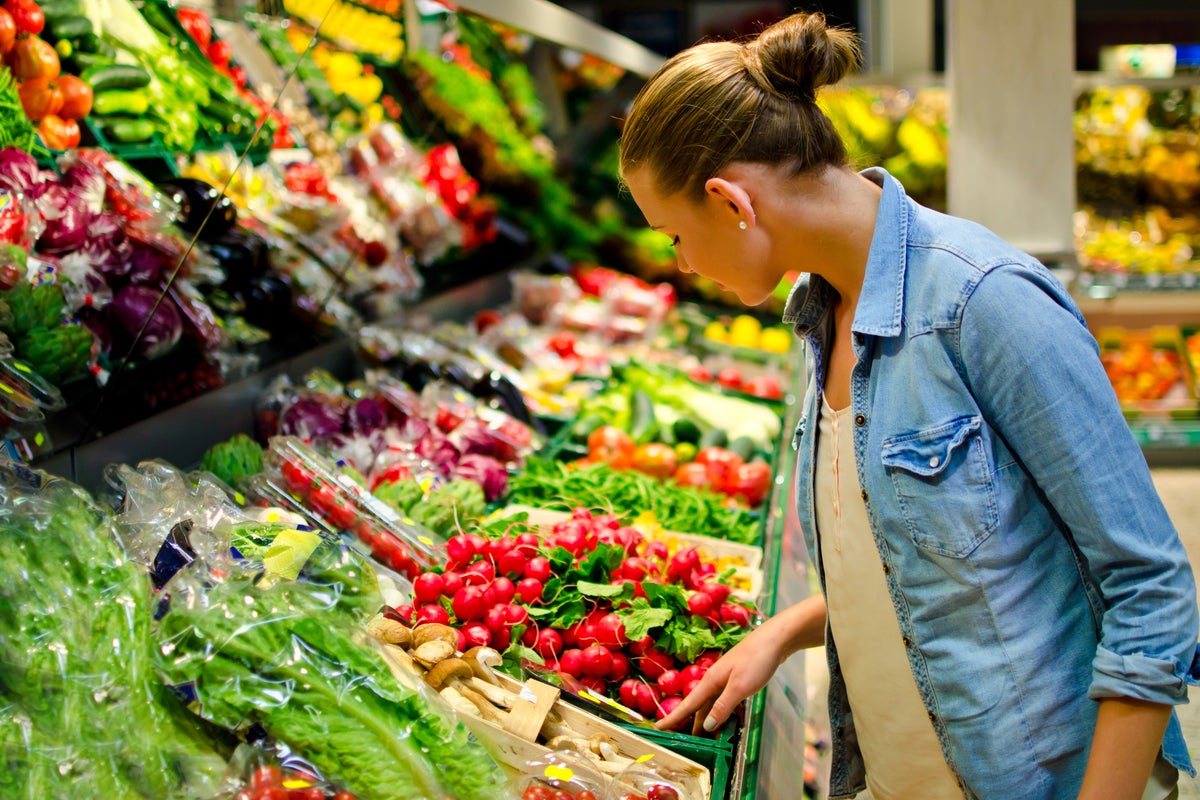
A USC Norris study of 187 lung cancer patients under age 50 found that younger non-smokers had an average Healthy Eating Index score of 65 versus a national average of 57, with women in the study eating more fruits, vegetables and whole grains than men. Researchers hypothesize that pesticide residue on non-organic produce could be linked to higher lung cancer risk, but they stress the findings are not yet confirmed. The article has limited immediate market impact and does not identify a direct company or policy event.
The market implication is not “healthy food is dangerous,” but that a new environmental-exposure narrative is forming around a large, underpriced liability pool: residues in ordinary food supply chains. If this line of inquiry gains credibility, the second-order winners are not food producers per se, but companies that can monetize trust, traceability, and verification — testing labs, agricultural input substitutes, organic certification, and premium clean-label brands. The losers are conventional packaged-food and commodity-ag names with low pricing power and opaque sourcing, because even a modest consumer shift toward residue-free positioning can widen gross-margin dispersion over the next 12-24 months.
The more material near-term catalyst is regulatory, not medical. Even without causal proof, the combination of litigation discovery, state-level pesticide disclosure rules, and retailer private standards can force costly reformulation and supplier audits. That creates asymmetric risk for firms that rely on imported produce, commodity grains, or thinly documented third-party sourcing: one adverse headline can trigger shelf-space reviews and procurement changes before any epidemiology is settled.
The contrarian view is that this is a classic correlation-over-causation setup, so the epidemiology alone should not justify a broad consumer selloff. The tradeable edge is in “insurance premium” assets — brands and channels that benefit from consumers paying up for perceived safety. If the story remains confined to health media, the move will fade; if it migrates into FDA/USDA or retailer policy, the rerating could be durable and spread to adjacent categories like baby food, school lunches, and meal kits.
AI-powered research, real-time alerts, and portfolio analytics for institutional investors.
Request DemoOverall Sentiment
neutral
Sentiment Score
-0.10
