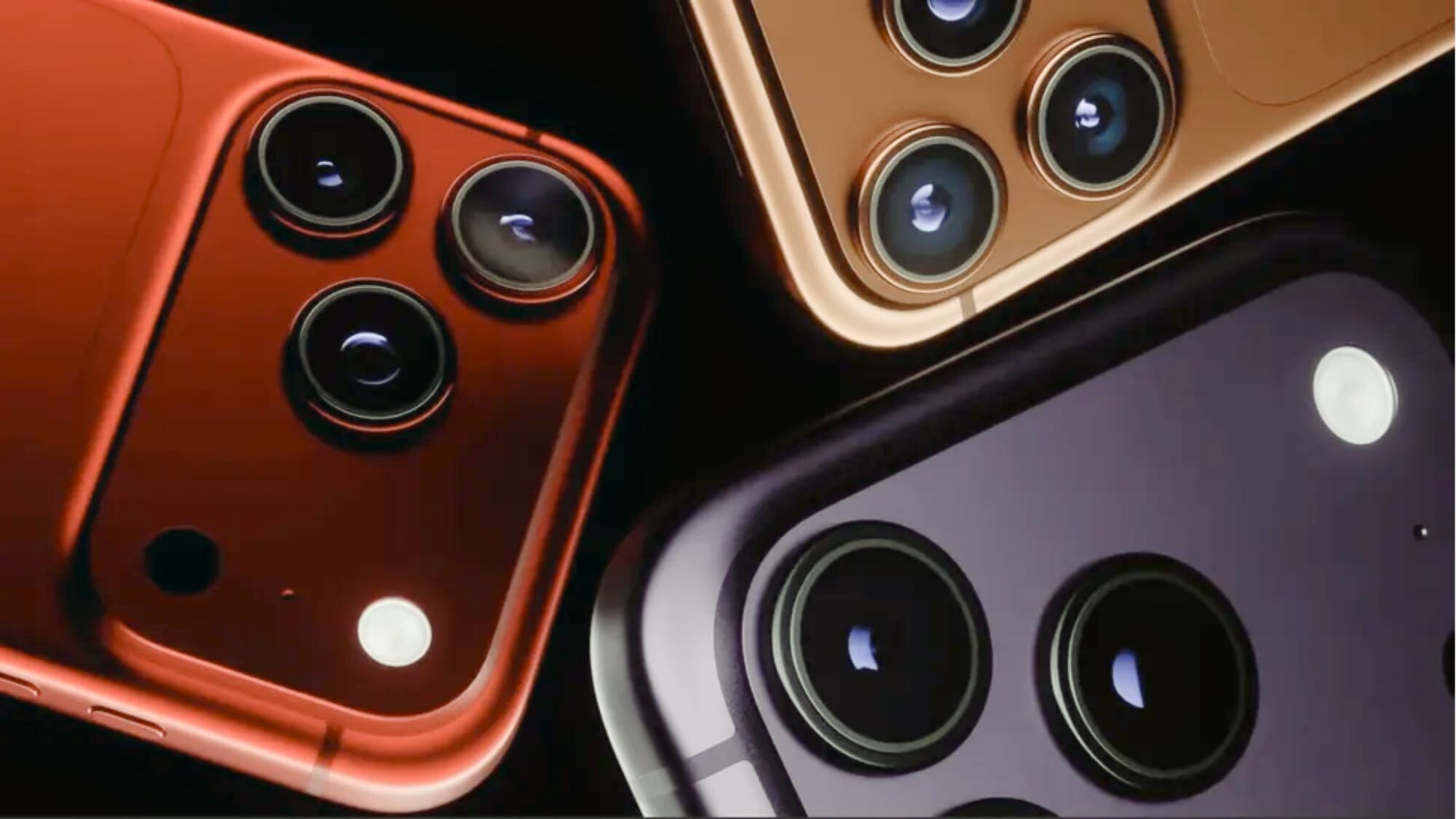
The article outlines nine potential upgrades Apple could use to make the iPhone 18 Pro stand out in its expected early 2027 launch cycle, including a larger camera sensor, under-display camera/Face ID, better zoom, silicon-carbon batteries, faster charging, improved durability, variable aperture, Touch ID, and stronger AI features. The piece is speculative rather than reportorial, with no confirmed product details or financial impact. Market relevance is limited to Apple product strategy and consumer-device innovation.
The key market implication is not the handset feature list itself, but the risk that Apple is setting up a two-step product cycle: a less differentiated 2026/27 flagship followed by a more dramatic form-factor reset with Fold. That creates a near-term ceiling on upgrade enthusiasm for AAPL unless software/AI meaningfully compresses the perceived gap. If the Pro line cannot articulate a clear reason to trade up beyond incremental hardware, Apple risks a longer replacement cycle and weaker mix, which matters more than unit growth for gross margin stability.
The biggest second-order winner could be component suppliers tied to camera modules, advanced packaging, batteries, and display integration, because the wishlist implies more internal complexity and higher content per device. At the same time, the move toward thinner packaging and under-display components could pressure lower-tier suppliers that depend on mature, commoditized assemblies. For competitors, the real issue is not matching one feature; it is that Apple tends to normalize premium features into consumer expectations, forcing Android OEMs to spend more on bill of materials just to hold share.
AI is the only lever here that can materially change sentiment in months rather than years. If Apple uses a major launch to reframe its AI roadmap, the equity could de-rate less on “AI underdelivery” risk, but absent a visible step-up, the market will increasingly compare Apple’s ecosystem monetization against Google’s and Samsung’s faster product cadence. The contrarian view is that the current narrative may already underestimate Apple’s ability to stretch replacements through brand and ecosystem lock-in; in that case, the product gap matters less for demand than for ASP and attach rates.
The durability and charging angles are the most actionable in the short run because they are easy for consumers to validate and for reviewers to punish. If Apple overemphasizes thinness or novelty and underdelivers on battery/thermal performance, that can quickly turn into a cycle of negative reviews and channel caution within weeks of launch. Conversely, a real battery and camera jump would likely support a higher mix of Pro/Pro Max, which is the cleanest path to offset a muted unit environment.
AI-powered research, real-time alerts, and portfolio analytics for institutional investors.
Request DemoOverall Sentiment
neutral
Sentiment Score
0.15
Ticker Sentiment
