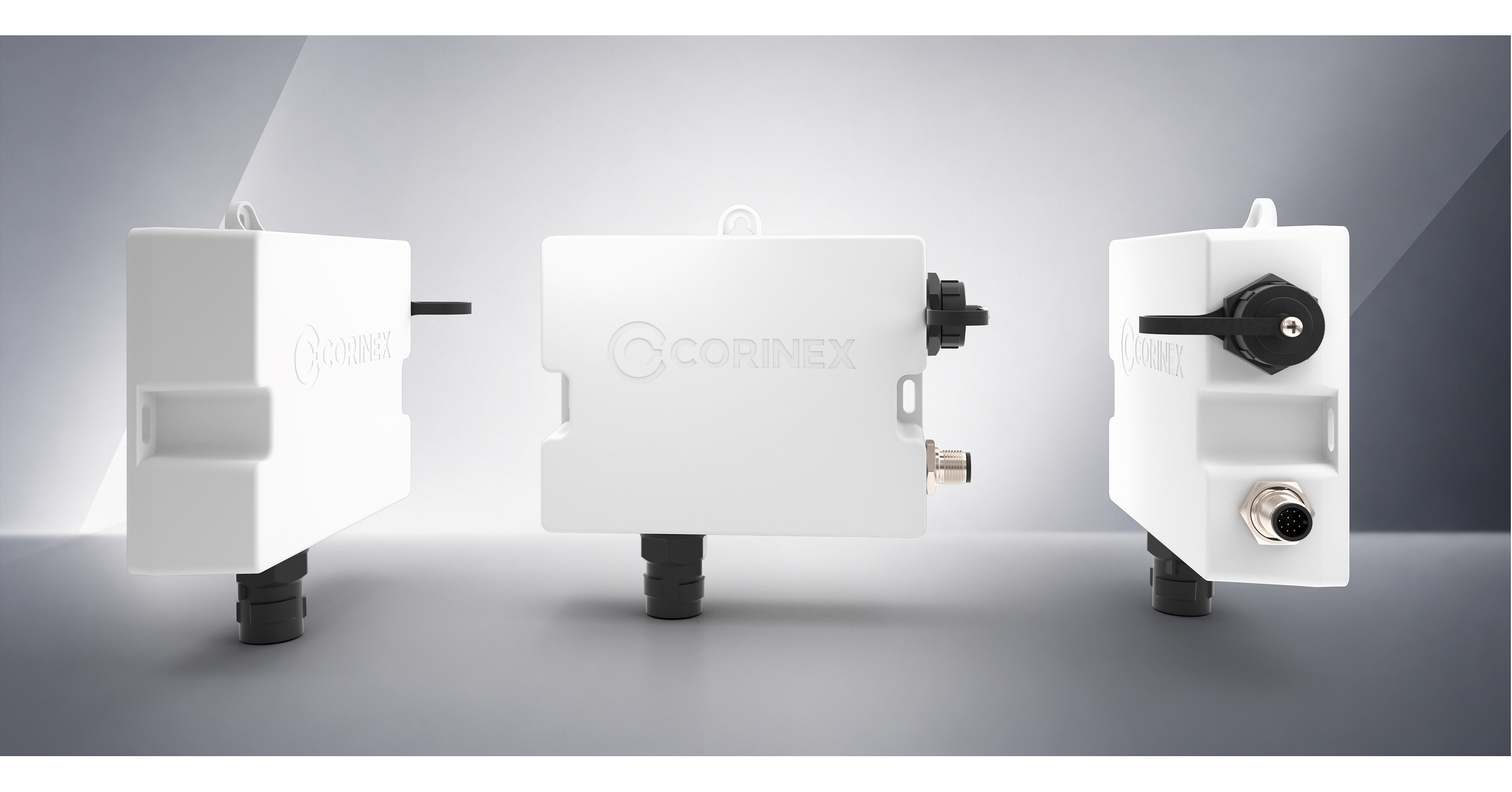
Corinex launched its Grid Intelligence Node (GIN) for low-voltage feeders, delivering near-real-time monitoring and event detection using broadband powerline communications. The node supports three-phase voltage/current measurement (RMS error ≤0.5%), one-minute operational snapshots and 15-minute energy aggregates, and detects sags/swells, overloads, and phase imbalance up to the 51st harmonic. Management positions GIN as a “grid-truth” layer to improve digital twin accuracy and estimate available capacity as electrification (EVs, heat pumps, PV) expands, though the release does not provide financial impact.
The first-order beneficiary is not the hardware vendor in the press release but the broader utility digitization stack: firms that sell sensing, edge data capture, and grid software should see a higher addressable market if utilities can prove they are buying deferred-capex decisions rather than just adding monitoring. That favors names like ITRI and, more selectively, Landis+Gyr/Schneider/ABB as integration layers; the more important second-order effect is that spend shifts from blanket feeder reinforcement toward targeted interventions, which can compress the share of capital dollars going to conventional wire-and-transformer upgrades.
The market implication is asymmetric by time horizon. Near term, this is mostly a pilot-story and should not move fundamentals much; utility procurement cycles are slow and cybersecurity/interoperability hurdles can kill rollout velocity. Over 1-3 months, watch for DSO language around hosting capacity, flexibility, and digital twin budgets; over 6-18 months, the real catalyst is whether regulators allow these tools to substitute for physical reinforcement in rate cases, which would extend the runways of sensing/software vendors and modestly pressure pure equipment intensity.
Contrarianly, the consensus may be too eager to extrapolate "grid intelligence" into immediate revenue. The monetization path is gated by integration into ADMS/SCADA and by utility willingness to trust non-revenue-grade measurement for investment decisions. If order books do not accelerate across the next two earnings cycles, the thesis is just a feature upgrade, not a platform shift.
AI-powered research, real-time alerts, and portfolio analytics for institutional investors.
Request DemoOverall Sentiment
mildly positive
Sentiment Score
0.25
