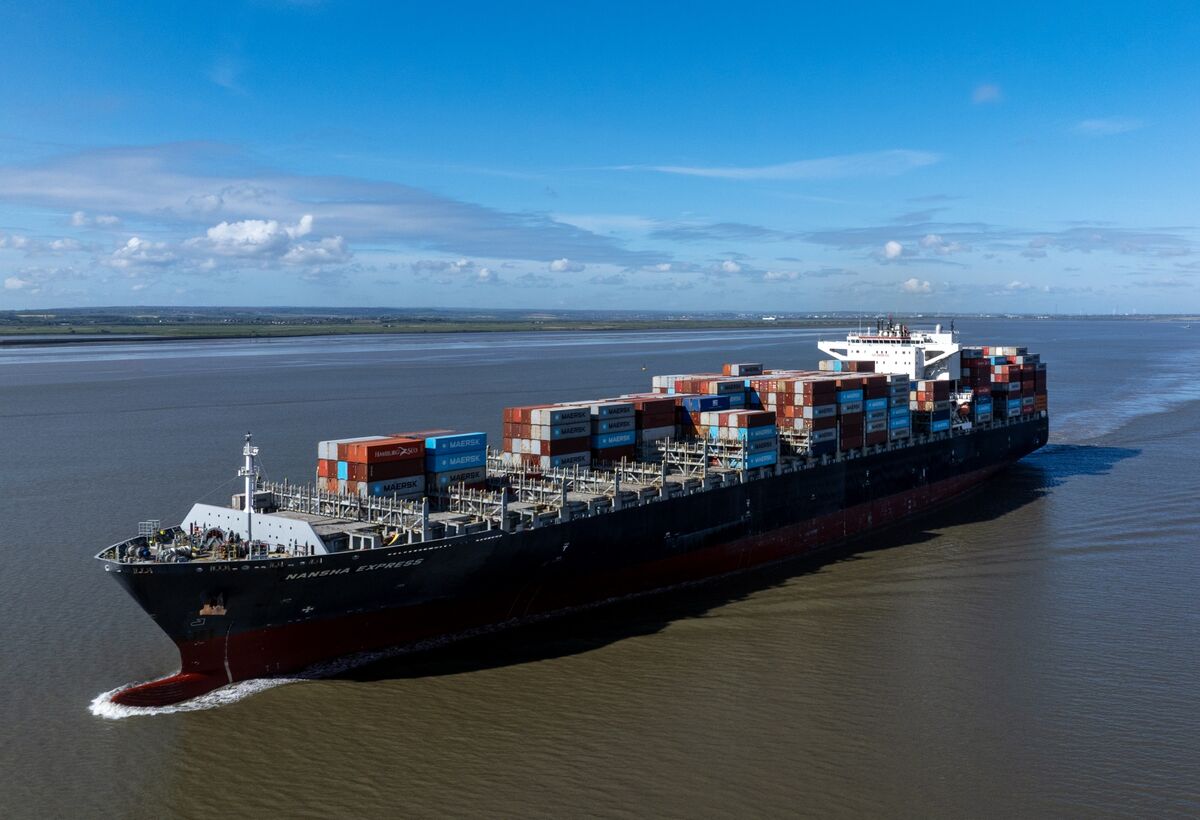
The UK and France are convening a fresh two-day military planning summit in north London to keep the Strait of Hormuz open and advance reopening plans after a sustainable ceasefire. More than 30 countries will participate, underscoring the strategic importance of the route for global energy and shipping flows. The initiative highlights ongoing geopolitical risk around a key chokepoint, with potential implications for oil prices and freight markets.
The market is likely underpricing the asymmetry between a diplomatic headline and the operational reality of re-routing maritime risk. Even if a ceasefire talk track improves, shipping insurance and charter markets usually lag by weeks to months, so the first beneficiaries are not the conflict-resolution names but the intermediaries that monetize elevated friction: tanker owners, LNG shippers, and firms with flexible routing or non-Middle East supply exposure. The bigger second-order effect is that any credible plan to “reopen” the lane keeps a geopolitical risk premium embedded in crude and refined products longer than spot headlines suggest.
The losers are more nuanced than just airlines and European industrials. Asian refiners and petrochemical producers with heavy Middle East feedstock dependence remain exposed to margin volatility, while European consumer-discretionary and transport names could get a short-lived reprieve only if energy collapses materially, which is not the base case. Defense and surveillance contractors also retain a bid because summit-driven de-escalation does not eliminate the need for persistent maritime monitoring, mine-countermeasure capacity, and missile-defense procurement.
The contrarian read is that this is not a clean bearish oil signal; it is a volatility signal. If markets fade the headline and sell energy too quickly, any delay in transit normalization or a single disrupted vessel can reprice Brent and product cracks sharply higher in days, not months. The setup favors owning convexity around headline risk rather than making a large directional bet on normalized shipping, because the tail risk remains one of sudden re-escalation or incomplete reopening.
From a timing perspective, the key watchpoint is the insurance and freight market over the next 2-6 weeks, not the summit itself. If rates compress without incident, the trade unwinds; if they stay elevated, the market will be forced to price a slower, incomplete reopening with persistent supply-chain inefficiency.
AI-powered research, real-time alerts, and portfolio analytics for institutional investors.
Request TrialOverall Sentiment
mildly negative
Sentiment Score
-0.15
Ticker Sentiment
