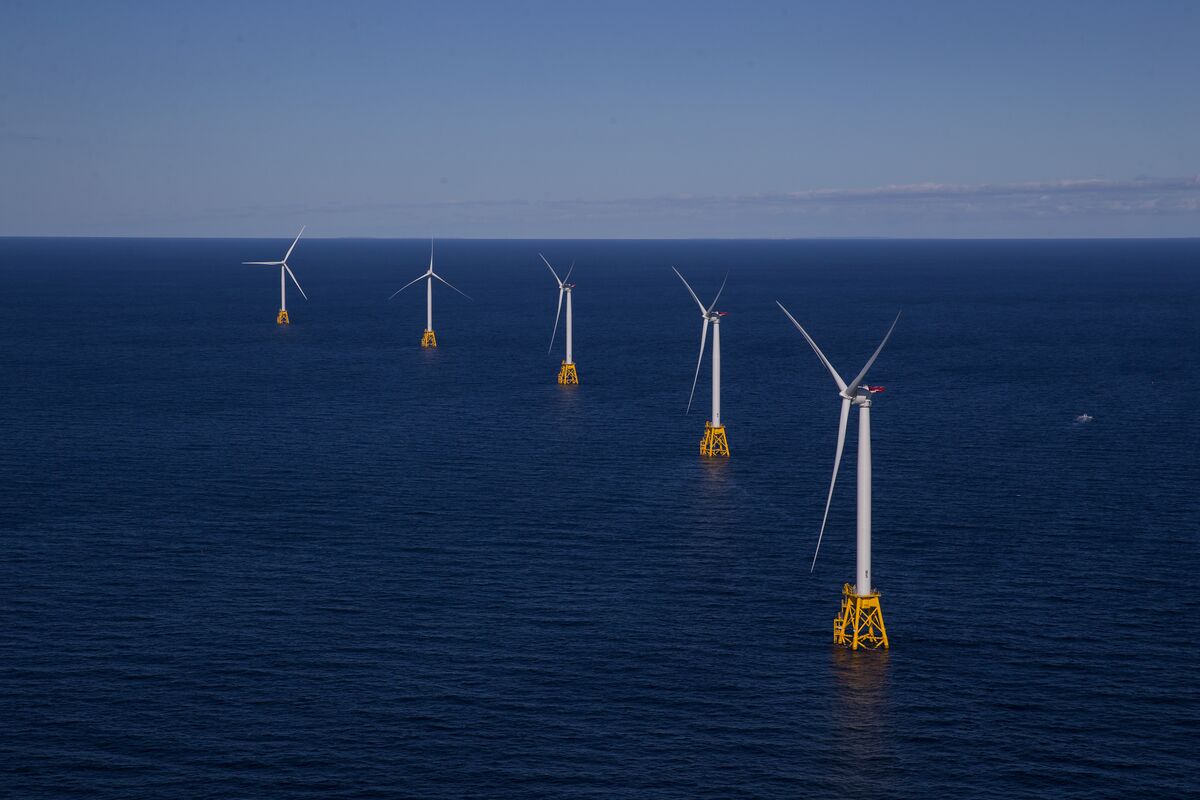
President Donald Trump's long-standing and vocal opposition to wind farms, citing concerns over environmental impact, human health, and aesthetics, is translating into policy actions that include blocking both onshore and offshore wind projects. This stance creates significant headwinds for renewable energy developers, with companies like Orsted reportedly feeling the brunt of these policy decisions.
The U.S. wind energy sector faces a significant and direct political headwind, as the stated anti-wind stance of former President Donald Trump is reportedly translating into policy actions that block both onshore and offshore projects. This creates a highly uncertain regulatory environment for developers, with major international players like Orsted explicitly cited as feeling the negative impact. The strongly negative sentiment score of -0.7 and high market impact score of 0.7 underscore the material risk this political opposition poses to project timelines, profitability, and the broader U.S. renewable energy transition. The issue highlights the acute vulnerability of capital-intensive, long-cycle energy projects to shifts in domestic politics and ESG policy, a critical risk factor for investors in the sector.
AI-powered research, real-time alerts, and portfolio analytics for institutional investors.
Request DemoOverall Sentiment
strongly negative
Sentiment Score
-0.70
