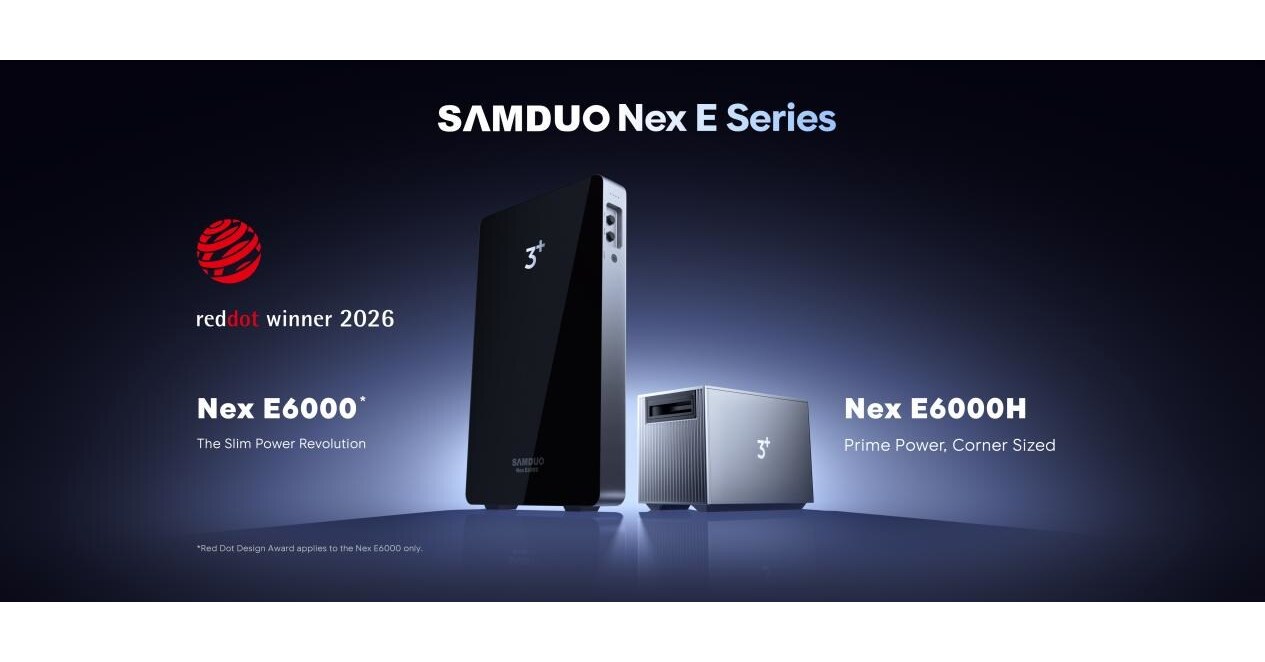
SAMDUO inicia la venta oficial en línea en Países Bajos de su serie de baterías domésticas Nex E (Nex E6000 y Nex E6000H) con disponibilidad a partir del 13 de julio, dirigida a propietarios afectados por el cambio de la medición neta desde el 1 de enero de 2027. El sistema apunta a reducir la dependencia de la red y aprovechar tarifas eléctricas dinámicas, con ahorros potenciales de hasta 1.584 € al año (según cálculos internos). La serie ofrece integración con proveedores europeos (más de 800), carga/descarga coordinada por SAMDUO Intelligence™, y especifica hasta 10.000 ciclos y 10 años de garantía.
This is less a company-specific catalyst than a policy-driven demand reallocation: as Dutch households lose the ability to monetize exports as efficiently, value shifts from “more solar” to “more storage + controls.” That is constructive for compact AC-coupled batteries, inverter ecosystems, smart meters, and dynamic tariff software; it is less helpful for panel-only economics because the incremental dollar of capex now goes toward self-consumption optimization rather than generation expansion. The hidden winner is anyone that can sell through online/direct channels and avoid installer bottlenecks.
Near term, the market impact should be modest; the real catalyst is the 2027 policy cliff, which can pull demand forward over the next 6-9 months but also create a post-deadline hangover. The key sensitivity is the retail-import vs export price spread: if that spread narrows, payback stretches and consumer adoption decelerates quickly. Utilities are not pure losers either—lower net exports reduce volumetric sales, but they may gain more controllable load and a richer backdrop for flexibility/VPP products.
The contrarian view is that the addressable market may be overhyped because Dutch rooftop solar penetration is already high, so this could be mostly replacement/upgrade demand rather than a true multi-year unit step-up. Marketing claims about savings are only as good as self-consumption assumptions and tariff volatility; if household usage patterns or weather are unfavorable, realized payback could disappoint. For public markets, the cleaner expression is selective exposure to storage attach-rate winners rather than a broad long in solar beta.
AI-powered research, real-time alerts, and portfolio analytics for institutional investors.
Request TrialOverall Sentiment
mildly positive
Sentiment Score
0.25
