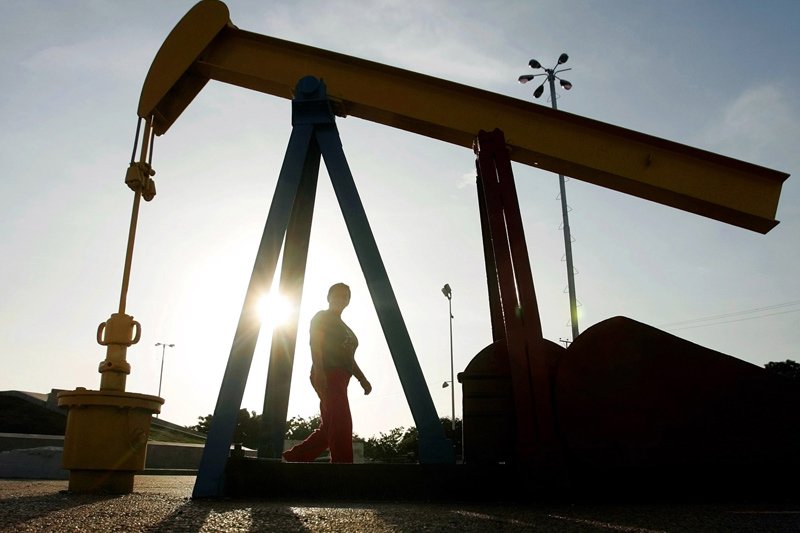
Saudi Arabia posted a 125.7 billion riyal ($33.5 billion) Q1 2026 budget deficit as spending rose 20% to 386.7 billion riyals, outpacing revenues of 261.0 billion riyals. Oil revenues fell 3% to 144.7 billion riyals, while non-oil revenues increased 2% to 116.3 billion riyals. Military spending jumped 26% to 64.7 billion riyals, underscoring elevated fiscal pressure amid regional geopolitical tension.
The immediate market read is not about the headline deficit itself but about the composition: a fiscal impulse is being maintained even as oil-linked revenue is softening, which increases the odds that Saudi funding needs stay elevated into the next budget cycle. That matters because the Kingdom’s willingness to lean on spending is now being tested at the same time geopolitical risk is forcing higher security outlays, so the marginal deficit is more likely to persist than mean-revert quickly.
Second-order effects favor domestic contractors, defense procurement chains, and local banks with government-linked deposit bases, while pressuring sectors that depend on easy sovereign support or discretionary capex discipline. If oil prices remain rangebound, the market should start discounting a slower pace of non-oil growth initiatives, because fiscal elasticity is being consumed by military and infrastructure spending rather than broad-based stimulus.
The contrarian view is that this is not a classic sovereign stress story yet; Saudi has ample financing capacity, and a one-quarter deficit is more a signal of policy priority than solvency risk. The real watch item is whether the deficit becomes a repeated pattern over the next 2-3 quarters: if so, it could tighten regional liquidity conditions, nudge local rates higher, and eventually force a more explicit growth-vs-security tradeoff.
For energy, the spending mix reinforces a higher geopolitical risk premium around Gulf supply routes, but that premium may show up first in volatility rather than sustained spot gains unless shipping disruptions actually materialize. In the interim, the better expression is relative-value: own beneficiaries of elevated defense and infrastructure spend, and fade names that require a clean, uninterrupted Saudi capex cycle.
AI-powered research, real-time alerts, and portfolio analytics for institutional investors.
Request DemoOverall Sentiment
mildly negative
Sentiment Score
-0.25
