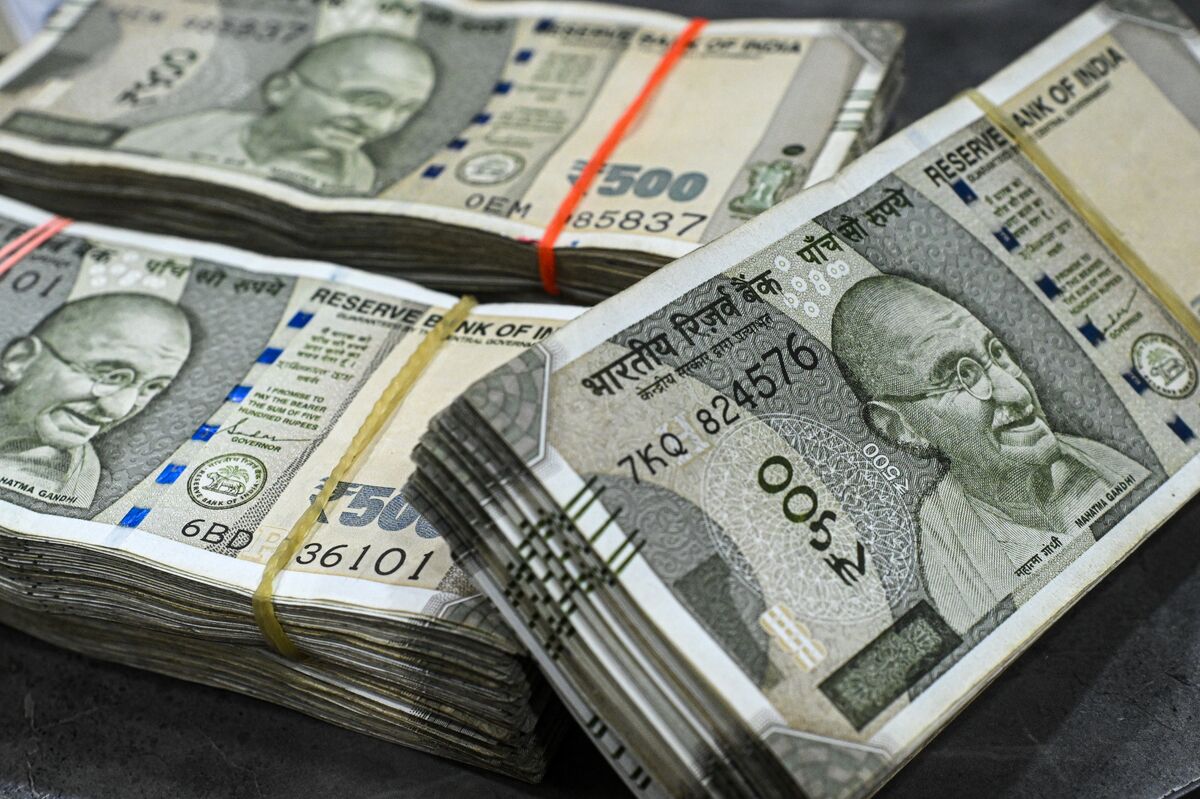
A widely expected Federal Reserve rate cut in December could provide timely relief for several Asian emerging-market currencies, easing pressure on central banks. The Indian rupee slid past 90 per dollar this week and the South Korean won has fallen more than 4% this quarter, while policymakers in Indonesia, South Korea and the Philippines face currency strain. Fed easing would likely reduce US rate-driven capital outflows and help stabilize these FX markets, though near-term weakness has already materialized.
Market structure: A December Fed cut (priced as a 25bp move by many markets) would directly benefit FX-sensitive EM borrowers and exporters—Indian importers/central bank (rupee relief), Indonesian and Philippine corporates, and local-currency sovereigns via lower dollar funding costs. Losers: USD funding/short-vol strategies and carry-funded USD longs; Korean exporters may see limited relief if global demand stays weak. FX demand should shift toward local rates and equities as carry reappears; expect 100–300bp of implied yield compression in 3-month forwards for INR/IDR if cut occurs.
Risk assessment: Tail risks include a no-cut (hawkish data) scenario that would trigger another 3–5% leg of USD strength and 5–10% extra losses in vulnerable FX in 1–4 weeks, or oil spikes that widen EM deficits over months. Hidden dependencies: domestic central bank responses (RBI intervention, BI rate decisions), FX reserves, and seasonal corporate external funding (Mar–May). Key catalysts are Nov/Dec US CPI, payrolls, and Fed dots—monitor OIS pricing for >60% cut probability as execution trigger.
Trade implications: Immediate (days) trade is FX option insurance; short-term (weeks/months) is selective long equity FX plays and local-rate positions; long-term (quarters) prefer local-currency sovereigns if growth holds. Cross-asset: expect EM local rates to rally (10y EM down 20–60bp) and sovereign CDS to tighten 10–40bp on a realized cut, boosting EM equity multiples by 5–15% if flows rotate in.
Contrarian angles: Consensus assumes a 25bp cut and uniform EM relief—misses that commodity importers (India, Philippines) get outsized benefit while export-dependent Korea may not if global PMI weakens. Reaction may be underdone for India (rupee already at 90; a cut could push 3-month gains of 3–6%), and overdone for Korea where structural export weakness could keep equities muted despite FX support. Unintended consequence: premature easing expectations can fuel portfolio inflows that reverse quickly on any US data shock.
AI-powered research, real-time alerts, and portfolio analytics for institutional investors.
Request DemoOverall Sentiment
mixed
Sentiment Score
0.00
