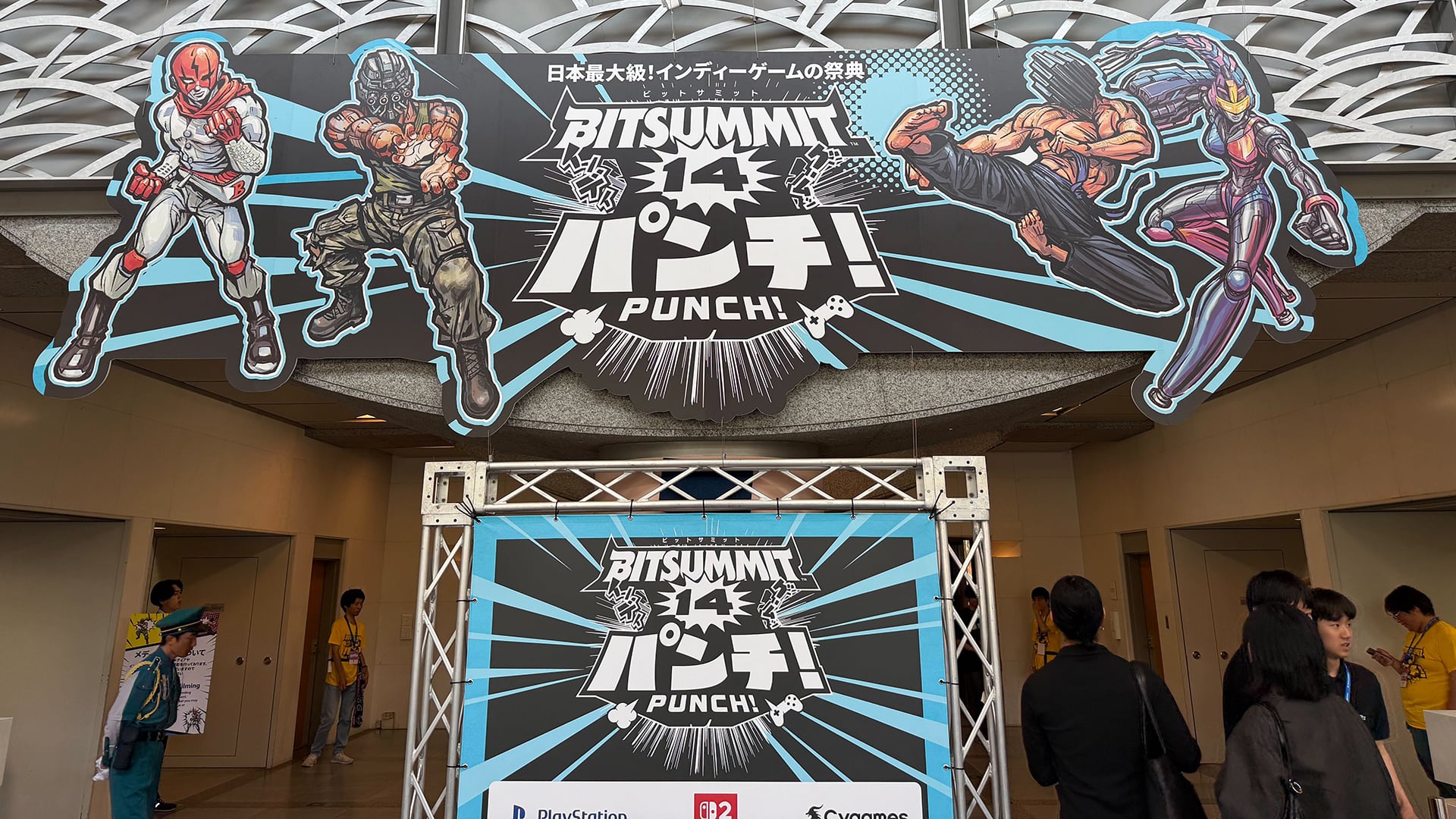
BitSummit Day 2 highlighted several promising indie games, including Mop’n Spark, Gutsy Grid, High Fructose, and Awaysis, with the author expressing strong enthusiasm for the gameplay concepts and presentation. Mop’n Spark stood out as a solo Grasshopper developer project with a time-rewind puzzle mechanic, while Gutsy Grid and High Fructose remain early but well-received first looks. The article is broadly positive but festival-focused, with limited likely market impact.
This is a useful read-through for the lower-multiple end of interactive media: the real signal is not the individual games, but the persistence of a healthy indie discovery ecosystem with multiple experiments at the prototype stage. That matters because venture-style optionality in gaming is increasingly concentrated in small teams with high design leverage and low fixed cost, which keeps gross margins structurally superior to AAA even if hit rates remain low. The festival format also suggests discovery is still human-curated, not algorithmically commoditized, which favors platforms and publishers that can surface quality early rather than those relying purely on paid UA.
The second-order winner is likely the ecosystem around PC distribution and creator tools. Early-access and demo-led validation lowers funding risk, but it also compresses the time between concept and market feedback, benefiting engines, middleware, and storefronts that can support rapid iteration. The losers are mid-tier traditional publishers with higher overhead and slower greenlight cycles; they are structurally disadvantaged when small teams can ship differentiated mechanics without carrying the same marketing burn.
Near term, the catalyst is mostly narrative: festival buzz can create a short-lived sentiment lift for indie-adjacent platform names, but monetization will only show up over months as wishlists convert and demos translate into preorders. The main tail risk is that novelty does not equal scale — a crowded indie slate can produce critical acclaim without meaningful revenue, especially if consumer spend remains concentrated in live-service incumbents. The market is likely overpaying for any 'new IP' story that lacks a clear distribution advantage or attachable community, while underappreciating how much of the value accrues to tooling, storefront, and publishing rails rather than the games themselves.
AI-powered research, real-time alerts, and portfolio analytics for institutional investors.
Request DemoOverall Sentiment
mildly positive
Sentiment Score
0.30
