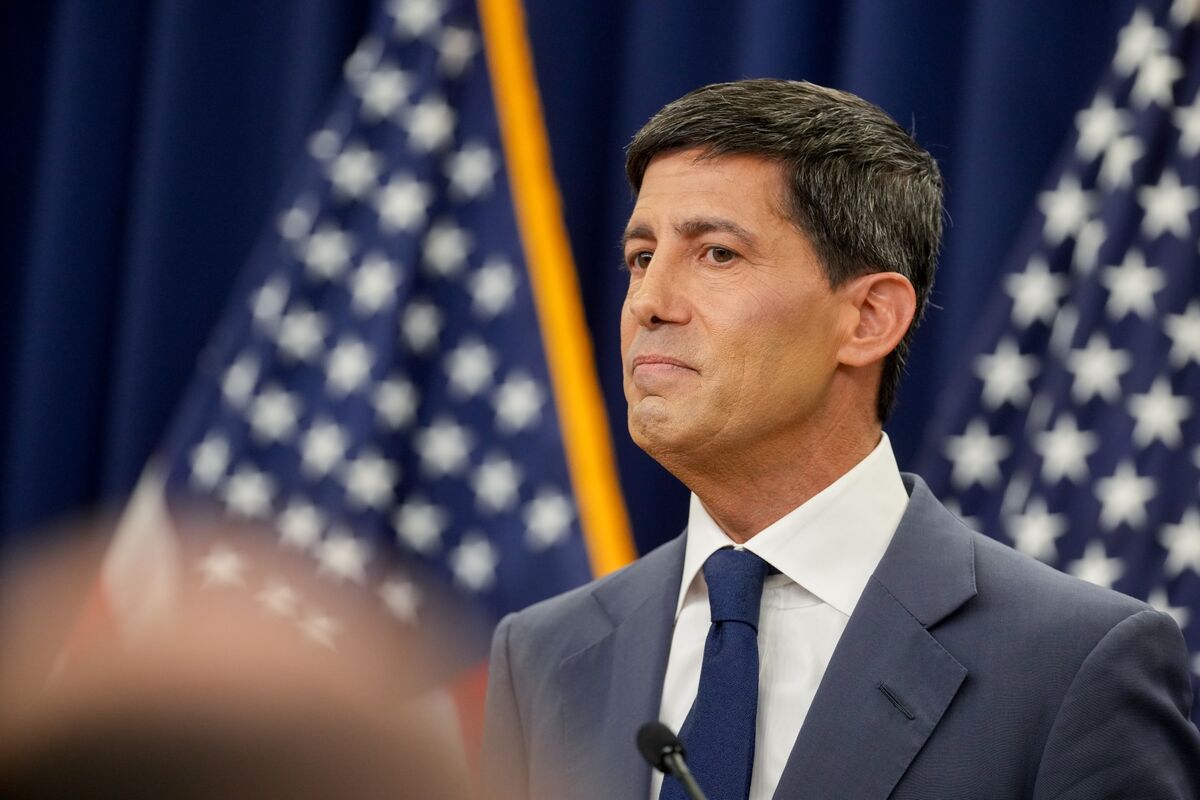
A profile of Fed Chair Kevin Warsh’s first week in office (sworn in May 22) shows a diary dominated by internal staff meetings, with only a few external engagements. External meetings included Treasury Secretary Scott Bessent, former Fed Governor Stephen Miran, and Brookings’ Nellie Liang. No specific policy actions or rate signals were reported, suggesting limited near-term market impact.
This reads less like a policy signal than an institutional setup phase, which usually suppresses rate volatility rather than creating a directional move. In the next several trading sessions, the market is likely to keep assigning most of the Fed path to incoming inflation/labor data, not personnel optics, so any knee-jerk adjustment in front-end rates should fade unless it is reinforced by macro prints. The immediate implication for duration-heavy assets is that the bar for a sustained dovish repricing is higher than headline-watchers may assume.
The second-order effect is on positioning, not fundamentals: if investors had been leaning into a "new chair = faster cuts" narrative, the lack of an early external-policy tell is mildly supportive for higher-for-longer trades. That matters most for long-duration equities, small caps, homebuilders, and unprofitable tech, where valuation is most sensitive to the first 50-100 bps of the curve. Banks and value/quality cyclicals are better insulated if the front end remains anchored and term-premium drift is muted.
Contrarian take: the consensus may be over-interpreting the staffing calendar as either dovish or hawkish when the more important signal is continuity and process discipline. The real risk is a miss on the next inflation or payroll release forcing the market to reprice cuts abruptly; that would reverse any tactical short-duration trade within days. Over 1-3 months, the first speech, press conference, or FOMC dissents will matter much more than early meeting logs; until then, the default trade is to expect compressed policy volatility rather than a regime change.
AI-powered research, real-time alerts, and portfolio analytics for institutional investors.
Request DemoOverall Sentiment
neutral
Sentiment Score
0.00
Ticker Sentiment
