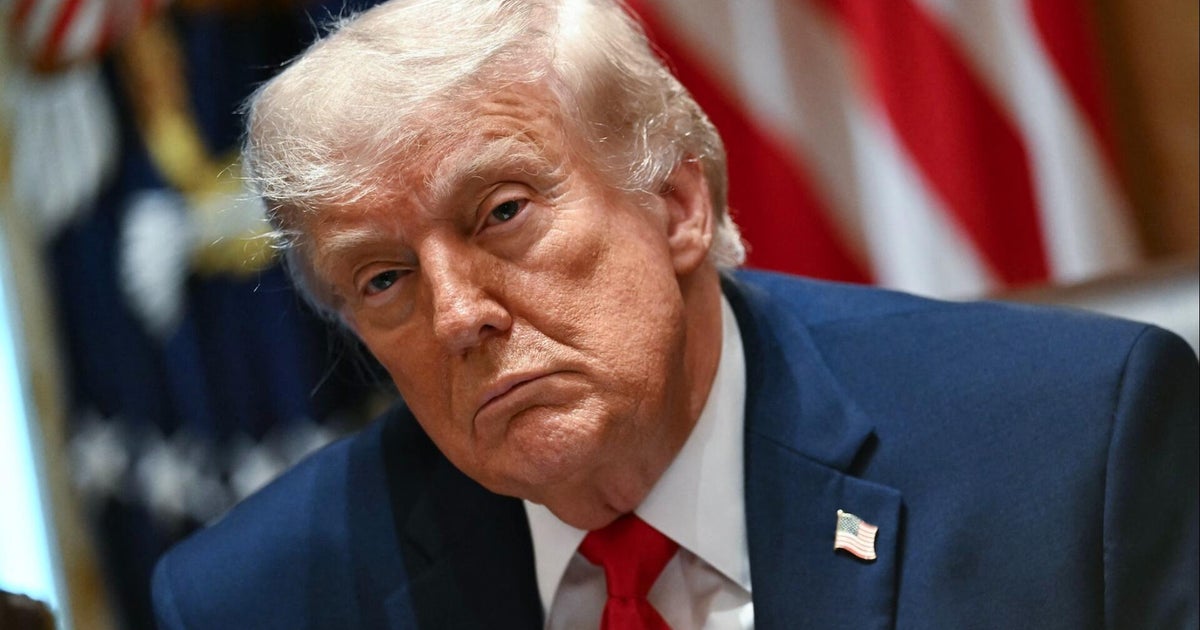
The U.S. carried out another round of defensive strikes on an Iranian military site, escalating tensions amid an already shaky ceasefire. Officials said the strikes were intended to protect American forces and commercial traffic, while the ceasefire is still considered to be holding. President Trump also warned that the U.S. could resume a large-scale bombing campaign if Iran does not agree to a longer-term deal.
The market is still pricing this as a contained tactical exchange, but the important second-order effect is that every additional strike increases the probability of a misread or misfire on shipping lanes, basing rights, or proxy assets. That shifts the trade from a simple headline risk event to a regime where insurers, shippers, and regional logistics operators can reprice on path dependency rather than one-off damage. The immediate loser is any asset dependent on uninterrupted Hormuz transit; the real winner is the optionality embedded in defense, cyber, and maritime security spending, which tends to re-rate faster than broader energy or equity hedges. The bigger setup is political. If this stays a “defensive” pattern, the ceiling on escalation is bounded and risk assets can quickly fade the concern; if rhetoric hardens, the probability of a larger campaign rises nonlinearly because each side now has domestic incentives not to look weak. That creates a compressed time horizon: days for crude/shipping vol, weeks for regional defense spending, and months for equity multiples if investors start assigning a sustained Middle East risk premium. The key catalyst to watch is any sign of commercial shipping disruption or allied force posture changes, which would convert a headline event into a persistent macro input. Consensus likely underestimates how asymmetric the tail is for transport and insurance versus the broad market. Even without a full supply shock, a modest uptick in voyage risk can tighten tanker availability, widen charter rates, and lift marine insurance costs enough to hit margins before oil prices fully respond. Conversely, a quick diplomatic reset would unwind the entire risk stack rapidly, so the trade has to be structured with defined premium decay rather than outright beta exposure.
AI-powered research, real-time alerts, and portfolio analytics for institutional investors.
Request DemoOverall Sentiment
strongly negative
Sentiment Score
-0.55
