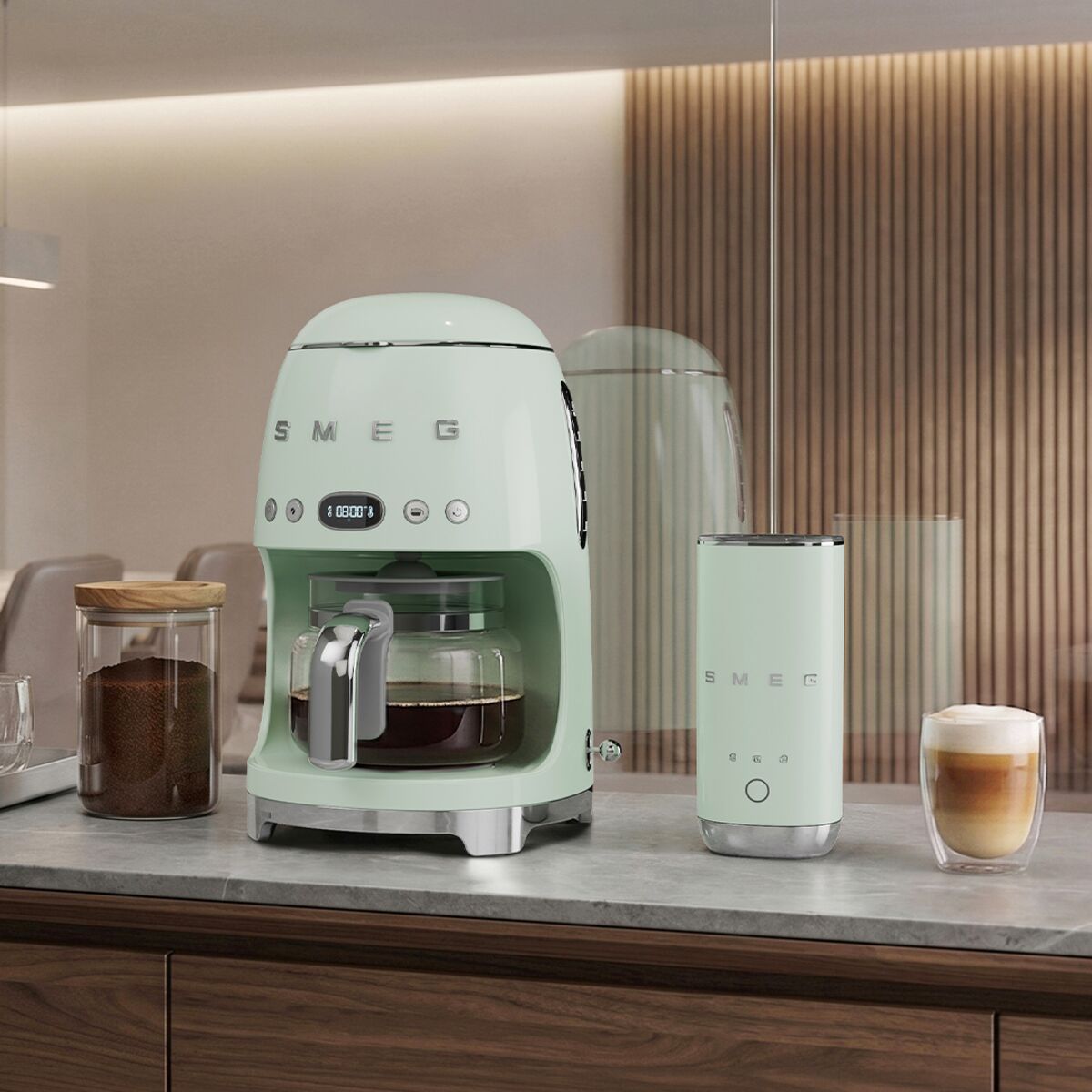
Retail is seeing a shift toward smaller, shrunken-sized products—tiny bags and miniature appliances are reportedly gaining appeal. The piece frames the trend as a “retail fix” for cautious shoppers, suggesting consumer behavior is more value-seeking than upbeat. Given the lack of quantified data or company specifics, near-term market impact is likely limited.
This reads less like a demand recovery than a budget-stretching behavior pattern: consumers still want novelty, but they are choosing a smaller ticket size to preserve the emotional payoff. That favors retailers and brands with fast SKU turns, low minimum order quantities, and strong impulse merchandising — think TJX, ROST, WMT, and marketplace/private-label ecosystems — because they can monetize trend velocity without needing durable premium pricing power. The likely loser set is anything relying on larger basket sizes or full-price conversion; unit growth can mask softer dollar sales, and that usually shows up first in AOV compression rather than traffic collapse.
Second-order, the trend is mildly deflationary for the category economics. Mini products often carry worse packaging-to-content ratios, higher handling intensity, and more return risk if the novelty wears off, which means gross margin can look fine on sell-through but deteriorate after freight, shrink, and markdowns. If mini appliances or mini fashion items are truly pulling forward purchases, they may also cannibalize full-size replacements, which is bad for revenue quality even if unit volumes stay elevated.
Over the next 1-3 months, this could support holiday and gifting shelves, but the half-life is short if consumer credit stress persists or if wages/inflation improve enough to let shoppers trade back up. The contrarian read is that this is not a bullish "affordable luxury" signal; it is a visible symptom of constrained discretionary budgets. What would falsify that view is a broad re-acceleration in full-size discretionary ASPs, rising conversion on premium accessory brands, or a meaningful easing in card delinquency / promo intensity across apparel and home.
AI-powered research, real-time alerts, and portfolio analytics for institutional investors.
Request DemoOverall Sentiment
neutral
Sentiment Score
-0.10
