
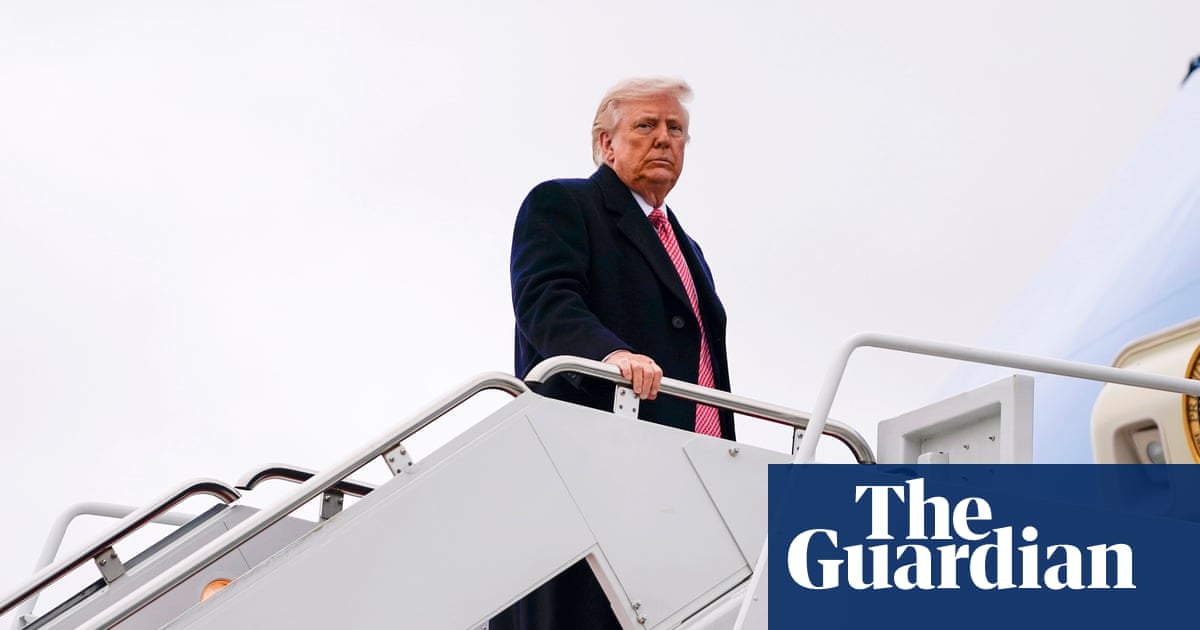
Section 702 of FISA is set to expire on April 20, and Congress is split between a clean 18-month renewal and reform efforts that would add warrant requirements for Americans’ communications. House GOP leaders delayed a procedural vote amid internal Republican dissent, while Trump urged a clean extension and called the law critical to national security. The debate centers on privacy, surveillance abuses, and oversight, with the FBI saying it conducted 7,413 U.S. person queries last year.
The marketable edge here is not the policy outcome itself but the credibility decay of internal safeguards. If Congress punts with a clean renewal, the near-term beneficiary is the national-security apparatus and vendors tied to compliance-heavy data access, but the medium-term consequence is higher litigation and reputational overhang for any platform exposed to bulk collection or data-sharing requests. That tends to widen the gap between firms with strong enterprise privacy controls and those with weak governance, even if the law itself is unchanged.
The key second-order effect is that the debate is migrating from legal abstraction to operational risk: if the administration is already comfortable with broader data acquisition tools, any extension is a green light for more aggressive cross-program blending of datasets. That increases the probability of a future catalyst from a compliance failure, inspector-general leak, or court ruling rather than from legislation. In other words, the trade is less about this week’s vote and more about a 3-12 month tail risk repricing in privacy-sensitive names and in political-media narratives around surveillance.
The contrarian read is that the consensus may be overstating immediate upside for the security state and understating the chance of a noisy, partial compromise that preserves the program but adds process friction. If amendments are attached, the optics of “reform” could cap the political win for hardliners while still keeping the core capability intact, which is the worst outcome for both sides and likely the most realistic. That scenario leaves the issue unresolved but elevated, favoring volatility over directionality in any asset with direct privacy exposure.
From a portfolio standpoint, this is a governance and regulation short-horizon catalyst with asymmetric downside in trust-dependent businesses rather than a broad index event. The cleanest expression is to fade companies whose valuations embed frictionless data monetization or low regulatory intensity, while favoring platforms and software vendors that can credibly sell privacy-by-design. Expect the first move around the vote, but the more tradable move may come later when watchdogs, civil-liberty groups, or courts force disclosure of how widely these tools are actually used.
AI-powered research, real-time alerts, and portfolio analytics for institutional investors.
Request TrialOverall Sentiment
neutral
Sentiment Score
-0.05
Ticker Sentiment
