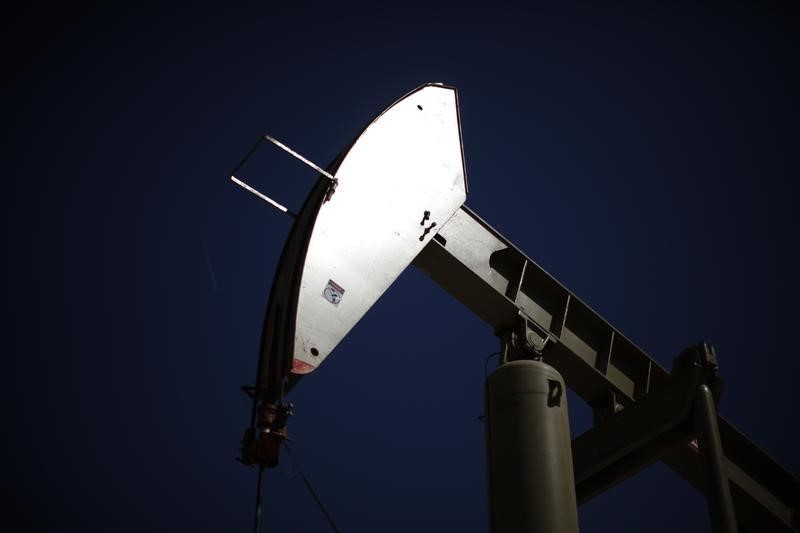
Brent fell 0.4% to $108.26/bbl and U.S. WTI dropped 0.9% to $95.27, although Brent is up nearly 5% for the week and WTI is set for about a 4% weekly decline. Markets pared some of the 'war premium' after Britain, France, Germany, Italy, the Netherlands and Japan offered to help secure the Strait of Hormuz, while the U.S. signaled possible removal of sanctions on Iranian oil on tankers and a further Strategic Petroleum Reserve release; North Dakota expects rising crude output as wells restart.
The price shock today is being driven more by a transient ‘‘chokepoint premium’’ and insurance/charter-rate dislocations than by a structural shortage of barrels. Freight and war-risk premia can add the equivalent of $5–$15/bbl to delivered cost in weeks, but they decay unevenly — shipping capacity and insurance normalization typically lag diplomatic fixes by 4–12 weeks, creating a multi-month roll-off window rather than an immediate snapback.
Reactivating stranded or shut‑in supply is lumpy: physical inspections, insurance, and tanker availability create a 1–3 month first wave of incremental flows followed by a 3–9 month normalization as cargoes re-enter contracts and refiners adjust. Fast-cycle US shale can plug part of the gap quickly if oil stays >$90, but operators face diminishing return curves and service-cost re-escalation; expect 200–500 kb/d incremental US injection over 3–6 months, not a full backfill.
Sanctions reprieve or SPR releases represent asymmetric downside risk to the current premium: policy actions can remove $6–$12/bbl within days-to-weeks, but a direct strike on export nodes could add $10–$25/bbl and persist for months. The market’s current sensitivity means volatility will remain elevated; calendar and quality spreads (Brent vs WTI, heavy vs light) will lead price discovery as logistics reconfigure.
Positioning should therefore prefer players that capture near-term margin upside (quick-cycle producers, tanker owners with flexible flags) and use option structures to sell premium rather than blunt directional exposure. Hedged pairs that isolate margin capture from duration risk are preferable to outright long commodity exposure given the high probability of episodic policy intervention within 30–90 days.
AI-powered research, real-time alerts, and portfolio analytics for institutional investors.
Request DemoOverall Sentiment
mixed
Sentiment Score
0.00
