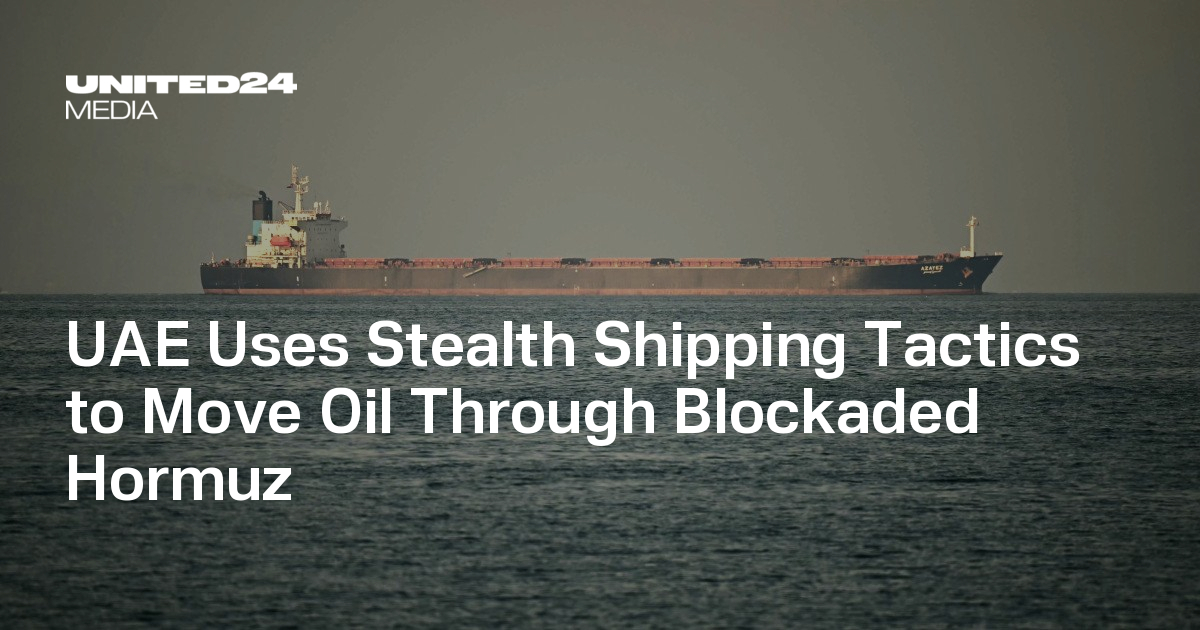
Tehran’s effective closure of the Strait of Hormuz has disrupted a route handling roughly one-fifth of global oil and gas flows, forcing UAE and other Gulf producers to move cargoes with trackers off and pushing oil above $100 per barrel. ADNOC reportedly exported at least 4 million barrels of Upper Zakum and 2 million barrels of Das crude in April via ship-to-ship transfers, but has cut exports by more than 1 million barrels per day since the war began. A 11% drop in global oil prices on May 6 followed the U.S. pause in its naval mission and renewed hopes for a ceasefire and possible reopening of the strait.
The market is still underpricing the difference between a headline de-escalation and a verified reopening of physical flow. Even if diplomatic progress compresses prompt Brent, the operational risk premium on Gulf barrels should persist until AIS usage normalizes, ship-to-ship activity fades, and insurers re-rate transit risk; that lag can keep regional crude spreads firmer than outright benchmarks for weeks. The immediate losers are refiners and traders dependent on prompt Middle East barrels with tight inventory, while the relative winners are producers with pipeline or non-Hormuz optionality, storage owners, and freight/insurance exposure tied to rerouting rather than Gulf liftings.
Second-order, the market is incentivized toward inventory arbitrage and cargo fragmentation. Smaller parcel sizes and offshore transfers favor traders with working capital and logistics density, but penalize refiners that require steady large-volume delivery, especially in Northeast Asia where replacement barrels must come from longer-haul sources. The fact that some crude is commanding extreme premiums suggests a temporary bifurcation: benchmark prices can fall on peace headlines even as certain spot grades remain scarce, creating a spread trade opportunity rather than a simple outright energy short.
The catalyst path is binary over days, but the fundamental reset takes months. If the memorandum holds and shipping resumes openly, the risk premium could unwind quickly, but any failed negotiation or renewed attack would snap prompt prices back up faster than the down move because positioning will likely chase. The contrarian view is that the market may be too eager to price a durable ceasefire: even a partial détente still leaves sanctions, inspection, and maritime security unresolved, so the structural dislocation in Gulf export logistics may outlast the ceasefire headline by a wide margin.
AI-powered research, real-time alerts, and portfolio analytics for institutional investors.
Request DemoOverall Sentiment
strongly negative
Sentiment Score
-0.55
