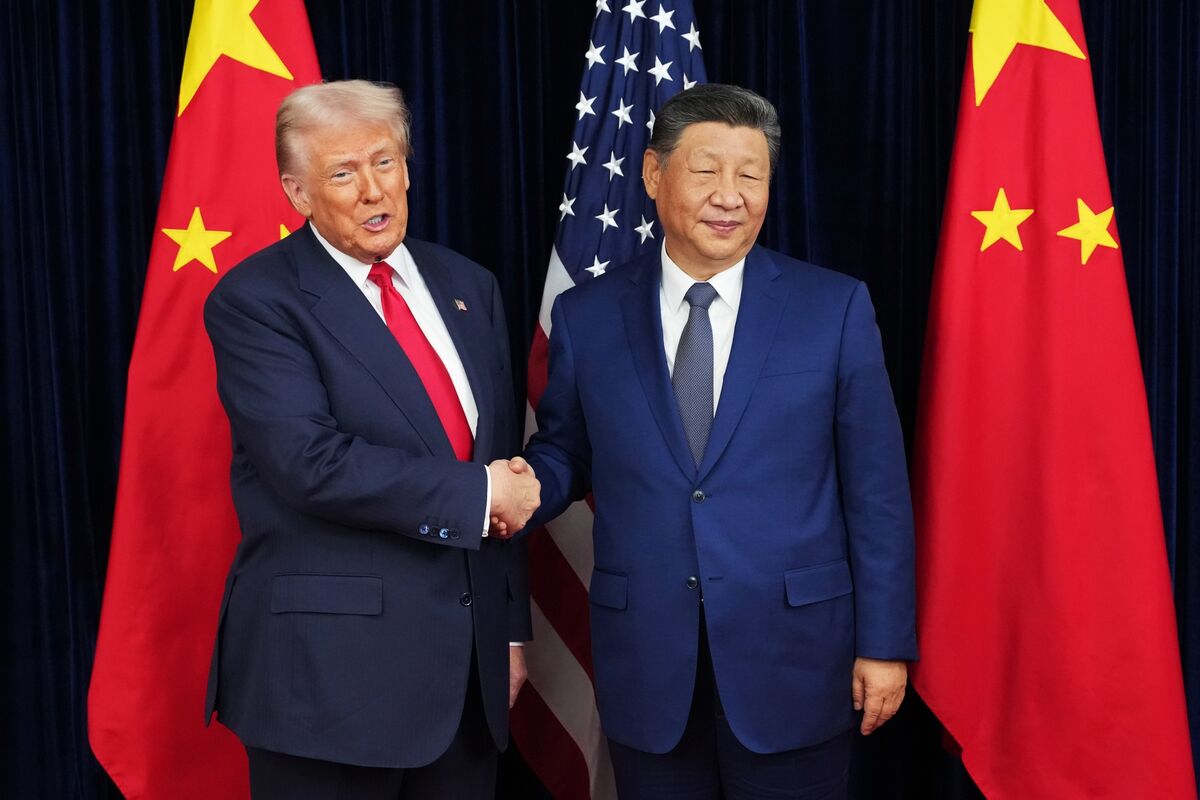
US President Donald Trump formalized key elements of a trade deal with Chinese leader Xi Jinping, announcing tariff cuts effective November 10. This includes halving fentanyl-related tariffs on Chinese imports from 20% to 10% and extending for a year a reciprocal tariff reduction on Chinese goods from 34% to 10%. These moves solidify components of the broader trade agreement between the two nations.
US President Donald Trump has formalized key tariff reductions with China, effective November 10, solidifying elements of the broader trade deal with Xi Jinping. This includes halving fentanyl-related tariffs from 20% to 10% and extending a reciprocal tariff reduction on Chinese goods from 34% to 10% for an additional year. These executive orders provide concrete steps towards de-escalation in the ongoing trade relationship.
The extension of the reciprocal tariff reduction for a year offers a period of increased stability and predictability for businesses engaged in US-China trade. This move, coupled with the fentanyl tariff cut, signals a commitment to easing trade friction, which is generally viewed as a positive for global economic sentiment and supply chain dynamics.
Market sentiment registers as moderately positive with a neutral tone, reflecting the beneficial but perhaps anticipated nature of these developments. The moderate market impact score suggests that while these are constructive steps, they represent a partial resolution rather than a complete overhaul of trade relations. The primary themes of "Tax & Tariffs" and "Trade Policy & Supply Chain" underscore the direct economic relevance of these actions.
AI-powered research, real-time alerts, and portfolio analytics for institutional investors.
Request DemoOverall Sentiment
moderately positive
Sentiment Score
0.60
