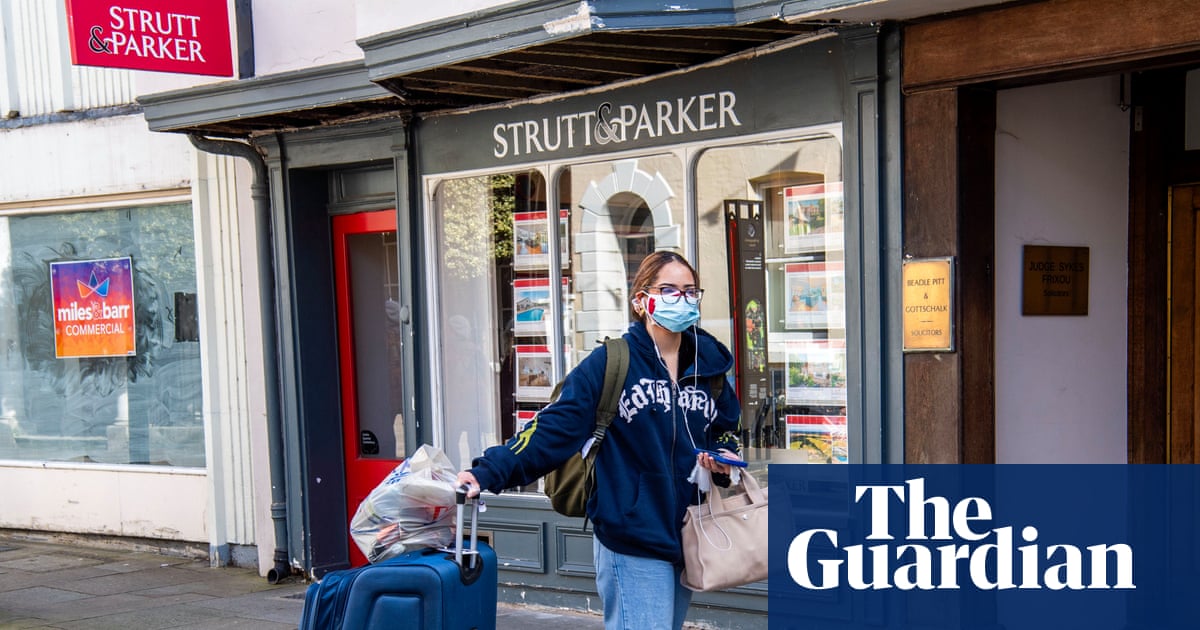
11,000 precautionary antibiotic doses were made available across four Canterbury sites after a meningitis outbreak linked to Club Chemistry, with two confirmed deaths (one a University of Kent student). The outbreak spawned a student exodus, cancelled in-person assessments and moved exams online, sharply reducing footfall at pubs, restaurants and entertainment venues and diverting staff to run antibiotic clinics. Authorities are offering meningitis B vaccines in halls of residence and running multiple antibiotic collection sites, but use of public transport by departing students raises concern about further spread. Impact is localized to consumer/leisure activity with negligible broader market implications.
This is a localized demand shock concentrated in student towns that transmits through three short channels: immediate footfall loss at hospitality/leisure venues, labor redeployment to emergency health sites (reducing operating capacity and increasing cleaning costs), and a temporally elevated flow into primary care/pharmacy services. Expect the hospitality revenue hit to compress weekly cashflow for small operators within 1–4 weeks; publicly traded regional hospitality and casual dining names typically trade on low single-digit free cashflow margins so a 10–20% drop in weekly covers can move leverage metrics quickly.
Operationally, emergency clinics create a one-off revenue and gross-margin tailwind for community health services, retail pharmacies and generic antibiotic suppliers for a 2–8 week window; this is not a durable vaccine-driven uplift but a spike in urgent OTC and dispensing volumes. Conversely, landlords of purpose-built student accommodation face a sticky occupancy risk if a larger cohort exits term early — this can depress near-term rent collection and increase cleaning/turnover costs into the next quarter.
Macro tail risks: if infections spread via outbound student travel, the event can escalate from local to regional within 7–21 days, prompting broader behavioral changes (reduced travel, remote exams, cancelled events) and a longer hospitality slump. Reversal catalysts are equally fast — clear epidemiological containment, visible vaccination expansion or a public-health communications pivot can restore normalcy within 2–6 weeks, creating snap-back rallies in beaten-down leisure exposures.
AI-powered research, real-time alerts, and portfolio analytics for institutional investors.
Request DemoOverall Sentiment
mildly negative
Sentiment Score
-0.25
