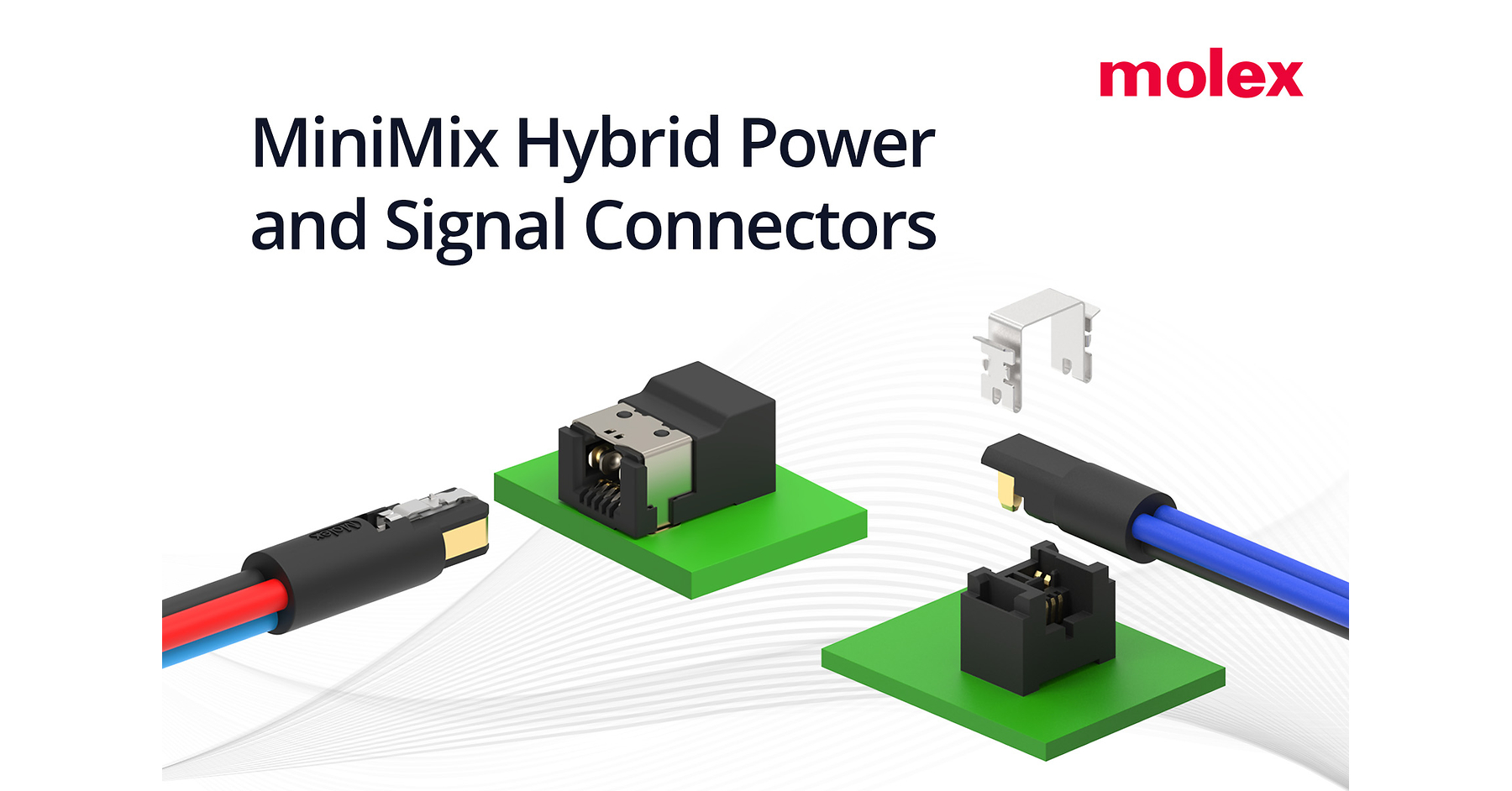
Molex unveiled MiniMix Hybrid Power and Signal Connectors combining 15.0A power delivery with 1Gbps 1000BASE-T1 Ethernet in a 5.65mm routing profile, aiming to cut routing area by up to 50% versus alternatives. The company says the integrated design can reduce connector count, manual cabling/hand-soldering, and failure points for humanoid robotics, with samples available now and commercial production scaling slated for late 2026.
This is more important as a supply-chain signal than as a product launch. The economic winner is not the robot OEM on day one; it is the interconnect vendors that can turn a hand-assembled failure-prone subsystem into a qualified, repeatable module, because that is where margin migrates when manufacturing scales. NVDA benefits only indirectly through ecosystem pull, and even then the effect is second-order rather than a near-term EPS driver.
The bigger implication is that humanoid/AMR commercialization is shifting from demo economics to industrialization economics. If integrated power/data routing becomes standardized, the hurdle rate for pilot-to-production falls, which helps scaled OEMs and high-quality component suppliers while pressuring low-end cable assemblers, manual integration shops, and small robot startups that lack procurement leverage. That should also widen the gap between companies with design-in relationships and those relying on generic hardware availability.
Contrarian take: the market may be too willing to extrapolate production readiness from an engineering announcement. Design-in cycles are long, and the real proof is backlog, qualification wins, and line-rate utilization in late 2026; until then the revenue contribution is likely immaterial. If humanoid volumes stay prototype-level or OEMs choose cheaper discrete wiring, the thesis collapses quickly.
AI-powered research, real-time alerts, and portfolio analytics for institutional investors.
Overall Sentiment
mildly positive
Sentiment Score
0.20
Ticker Sentiment
