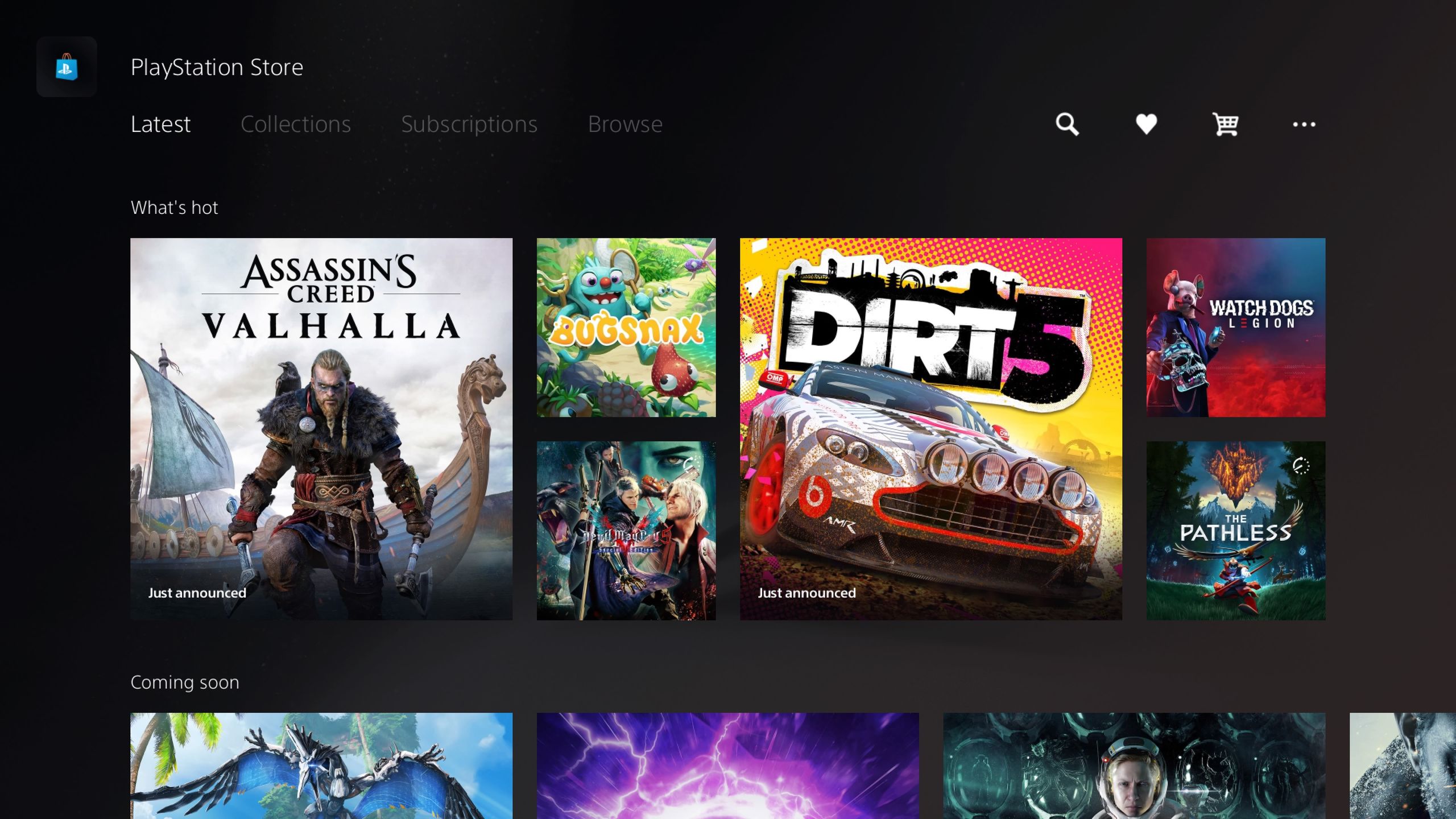
Sony is A/B testing dynamic discounts on the PlayStation Store, expanding from ~50 games in 30 regions to ~150 titles across 68 regions. Discounts for targeted users range commonly from 10%–17.6%, with outliers like Helldivers 2 seeing up to a 56% reduction for test participants; the experiment excludes the U.S. and Japan. The move signals a strategic shift toward more PC-like, regionally personalized pricing to better compete with Steam and to incentivize sales in developing markets.
Sony’s shift to personalized discounting is effectively a tactical lever to trade price per unit for volume and lifetime value in markets where full-price elasticity is high. Because digital distribution eliminates manufacturing and retail margins, a modest decline in average selling price (ASP) can be offset by a much smaller uplift in gross profit margin than in physical retail — e.g., a 5–10% ASP drop only needs a single-digit percentage increase in units or higher attach-rate monetization to be EPS-accretive within a year. Regionally targeted discounts also act as micro-marketing spend: instead of blanket ad buys, Sony can measure LTV/CAC at the SKU-region-user cohort level, tightening ROAS and accelerating install-base expansion in emerging markets where marginal users are most price-sensitive.
Second-order effects ricochet to publishers, platform-fee economics, and regulators. Expect pressure on third-party revenue-share contracts — publishers will demand clarity or higher splits if selective promotions cannibalize global full-price windows; platform economics may tilt toward bundled/subscription offers as Sony optimizes for recurring revenue rather than one-time sales. Regulators in jurisdictions with strong consumer-protection or anti-discrimination rules could flag opaque, user-specific pricing practices, turning a product experiment into a legal cadence that unfolds over quarters.
Key near-term catalysts are quarter-over-quarter digital revenue mix, ARPU trends in targeted regions, and any public negotiation with large third-party publishers; those metrics will move sentiment in days-to-weeks after earnings prints. The bigger multi-year outcome is strategic: if Sony can sustainably trade ASP for higher LTV and tighter services adoption, it re-tightens console moat against rival ecosystems — but that upside is binary and capped by potential regulatory or partner pushback, creating asymmetric outcomes over 6–24 months.
AI-powered research, real-time alerts, and portfolio analytics for institutional investors.
Request DemoOverall Sentiment
neutral
Sentiment Score
0.05
Ticker Sentiment
