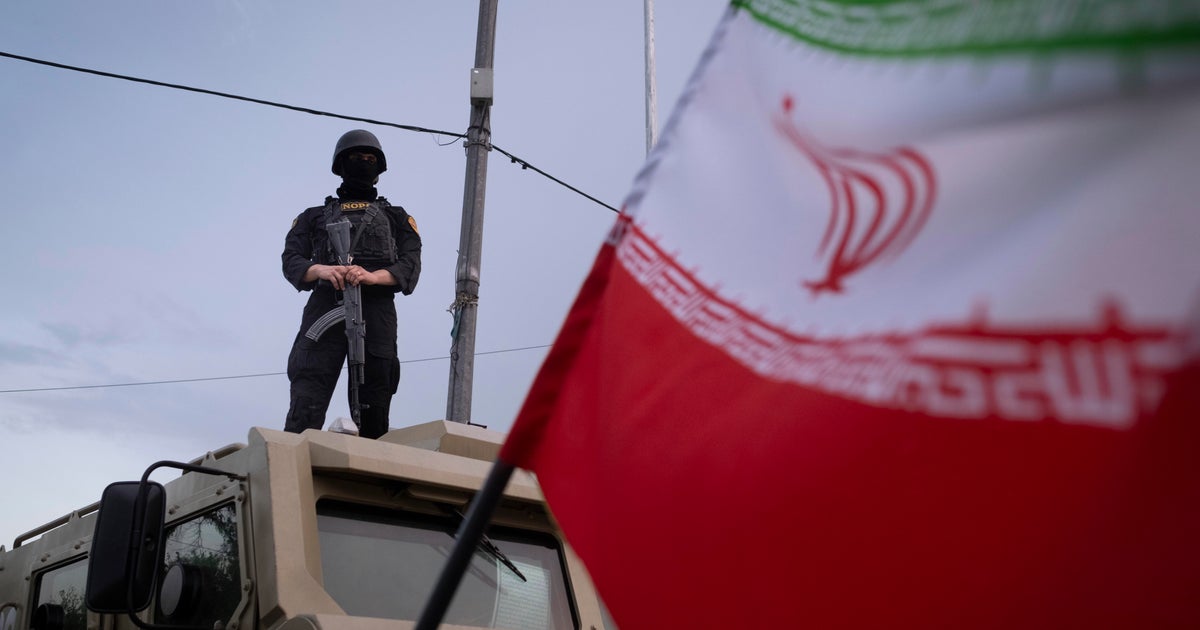
The Iran war remains highly disruptive, with Brent crude briefly spiking to $126 a barrel on Thursday before easing to about $107-$111 as reports surfaced of a new Iranian proposal for U.S. peace talks. Shipping through the Strait of Hormuz has fallen by more than 90%, damaging global trade flows and pushing U.S. gasoline to $4.39 a gallon, up 34 cents in a week. The conflict also continues to intensify in Lebanon, where reported deaths from Israeli strikes have reached 2,618 and more than 1 million people have been displaced.
The market is still treating this as a “geopolitical premium” trade rather than a structural supply shock, which is why the first reflex is to fade oil on any diplomacy headline. That’s dangerous: the operative variable is not whether talks resume, but whether shipping insurance, tanker routing, and port access normalize fast enough to restore physical flow. As long as Hormuz throughput remains impaired, the marginal barrel is priced by logistics scarcity, not by headline diplomacy, and that supports elevated volatility in crude-linked equities even if Brent pulls back intraday.
The bigger second-order winner is not just upstream energy, but any asset with pricing power versus input-cost inflation. Airlines, chemicals, and transporters will likely underperform on a delayed basis if fuel stays elevated for multiple weeks; meanwhile, integrated majors and select OFS names can outperform because refining, trading, and services activity benefit from dislocation and replacement costs. The real vulnerability is duration: a 2-6 week shipping disruption is manageable for corporates, but a 2-3 month rerouting regime starts to bleed into inflation expectations, margin guidance, and consumer discretionary demand.
The market is also underpricing political asymmetry. A partial ceasefire or second-round talks can compress risk premium quickly, but any failed negotiation after visible U.S. strike planning likely triggers a sharper volatility spike than the initial move because positioning will be crowded on the “de-escalation” side. That argues for upside convexity in energy and downside hedges in transportation rather than outright directional bets. Apple’s strength is a reminder that this remains a stock-picker tape: mega-cap earnings can offset macro fear, but only if oil doesn’t stay high long enough to leak into multiple compression.
Contrarian read: the consensus is too confident that diplomacy equals immediate normalization. Even a signed framework would not instantly reopen sea lanes or rebuild trust in routing, so the physical market may stay tight well after headlines improve. That creates a window where crude can re-rate down only modestly while shipping, defense, and insurance-related names retain a persistent risk premium.
AI-powered research, real-time alerts, and portfolio analytics for institutional investors.
Request DemoOverall Sentiment
moderately negative
Sentiment Score
-0.45
Ticker Sentiment
