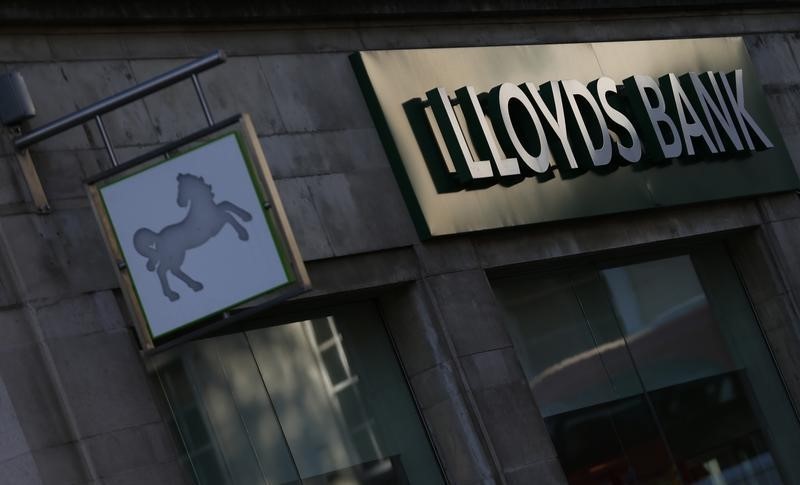
The FCA added Barclays, Lloyds, UBS and five others to its AI Lab, allowing real-world testing of AI applications in a controlled live-market environment through year-end. The program is aimed at assessing risks and developing safe tools for consumers and markets, with Lloyds already testing an AI financial assistant and exploring customer guidance uses. The initiative is supportive for AI adoption in banking, but the near-term market impact is likely limited.
This is less about near-term earnings and more about platform lock-in: the vendor that becomes the preferred AI control layer inside regulated finance can compound distribution across lending, wealth, and customer service workflows. For UBS and Lloyds, the edge is not just experimentation; it is building internal safety rails before rules harden, which should reduce deployment friction and shorten the time from pilot to production. That creates a subtle winner-take-most dynamic for incumbents with both balance-sheet scale and compliance budgets, while smaller UK fintechs will likely face a higher bar to differentiate on model governance.
The second-order effect is that AI adoption in banking may actually be more bullish for infrastructure and enterprise software than for the banks themselves. If these trials work, spend shifts toward secure data pipelines, monitoring, auditability, and model orchestration — the “picks and shovels” layer that benefits hyperscalers and enterprise AI vendors, including Amazon via cloud and model distribution. The upside for Amazon is not the headline investment size, but the optionality that Anthropic becomes a reference model for regulated workloads, strengthening AWS’s credibility in financial services.
The main risk is timeline mismatch: controlled live-market testing can look good for months and still fail at scale when edge cases, customer complaints, or model drift surface. A negative incident in any bank cohort would likely slow adoption across the UK for 6-12 months, with regulators becoming more conservative on agentic use cases first. The market may be overestimating how quickly this converts into revenue; the nearer-term earnings impact is likely modest, while the strategic moat is real but deferred.
Contrarian take: the biggest beneficiary may be the regulator, not the banks — by allowing supervised experimentation, the FCA reduces the probability of a future blanket restriction and may actually accelerate responsible deployment versus waiting for perfect rules. That means the setup is constructive for the sector, but the valuation upside should be most pronounced in names with clear AI monetization paths and lower legacy-compliance drag, not the whole banking complex indiscriminately.
AI-powered research, real-time alerts, and portfolio analytics for institutional investors.
Request TrialOverall Sentiment
mildly positive
Sentiment Score
0.15
Ticker Sentiment
