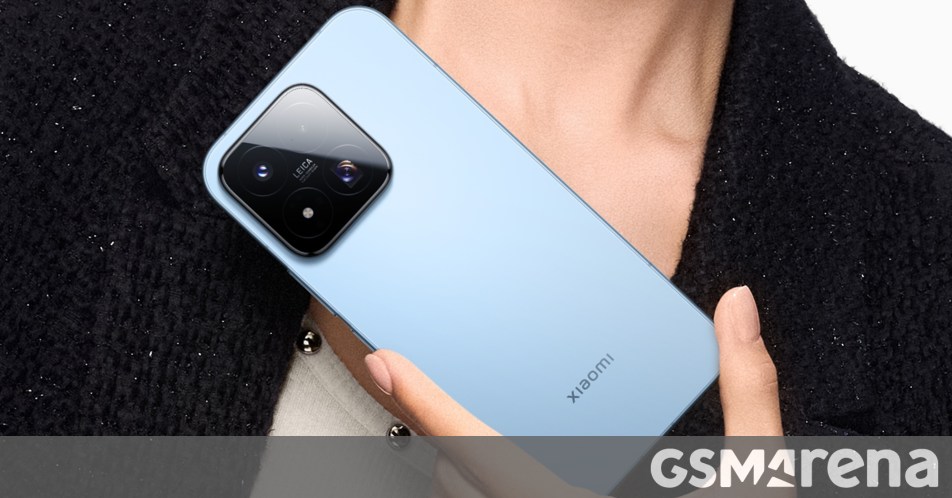
Xiaomi has set a May 21 launch event in China for the Xiaomi 17 Max, YU7 GT electric SUV, Band 10 Pro, first clip-on wireless earbuds, and other devices. The 17 Max will feature a 6.9-inch AMOLED display, Snapdragon 8 Elite Gen 5 chipset, 8,000mAh battery, and a 200MP main camera, while the new Band 10 Pro adds improved sensors, NFC tap-to-pay, and deeper Xiaomi Auto and Apple ecosystem integration. The news is supportive for Xiaomi’s product pipeline, but it is primarily a launch preview rather than a material financial catalyst.
This is less a single-product launch than a coordinated ecosystem push designed to raise switching costs across phone, wearables, audio, auto, and home devices. The most important second-order effect is on Apple: the explicit Apple-ecosystem interoperability on the Band 10 Pro is a tactical attempt to intercept iPhone users at the margin, where accessory attach rates and lifestyle-device stickiness matter more than handset share. If Xiaomi can make its peripheral stack “good enough” for iPhone households, it can monetize the installed base without winning the core smartphone battle.
The hardware mix also signals a premiumization strategy that should help gross margin mix over the next 2-4 quarters if sell-through holds. A high-end Android flagship with a large battery, top-tier chipset, and differentiated camera spec is aimed at consumers delaying upgrades until there is a visible step-up; that supports ASPs more than unit growth. The risk is execution: broad launch cadence can dilute attention, and any softness in flagship demand would leave Xiaomi with marketing-heavy inventory just as competitors respond with promotions.
For suppliers, this is broadly positive for premium component vendors tied to display, camera, battery, and wearable sensor content, but the crowded feature set raises the odds of margin compression if Xiaomi has to price aggressively to defend share. The EV tie-in matters because Xiaomi is increasingly using mobility as a halo to strengthen consumer brand perception; that improves long-term lifetime value, but near-term it also makes the equity more sensitive to any automotive delivery miss. The market may be underestimating how much of this is about ecosystem monetization rather than handset units alone.
Contrarianly, the Apple angle may be more incremental than it looks: interoperability can reduce friction, but it does not solve the core retention moat of iMessage, AirPods, Watch, and services. The more actionable read is that Xiaomi is trying to capture cross-category wallet share before Apple expands its own lower-end wearable/accessory funnel in Asia. That sets up a competitive response cycle over the next 6-12 months rather than an immediate share shift.
AI-powered research, real-time alerts, and portfolio analytics for institutional investors.
Request DemoOverall Sentiment
mildly positive
Sentiment Score
0.20
Ticker Sentiment
