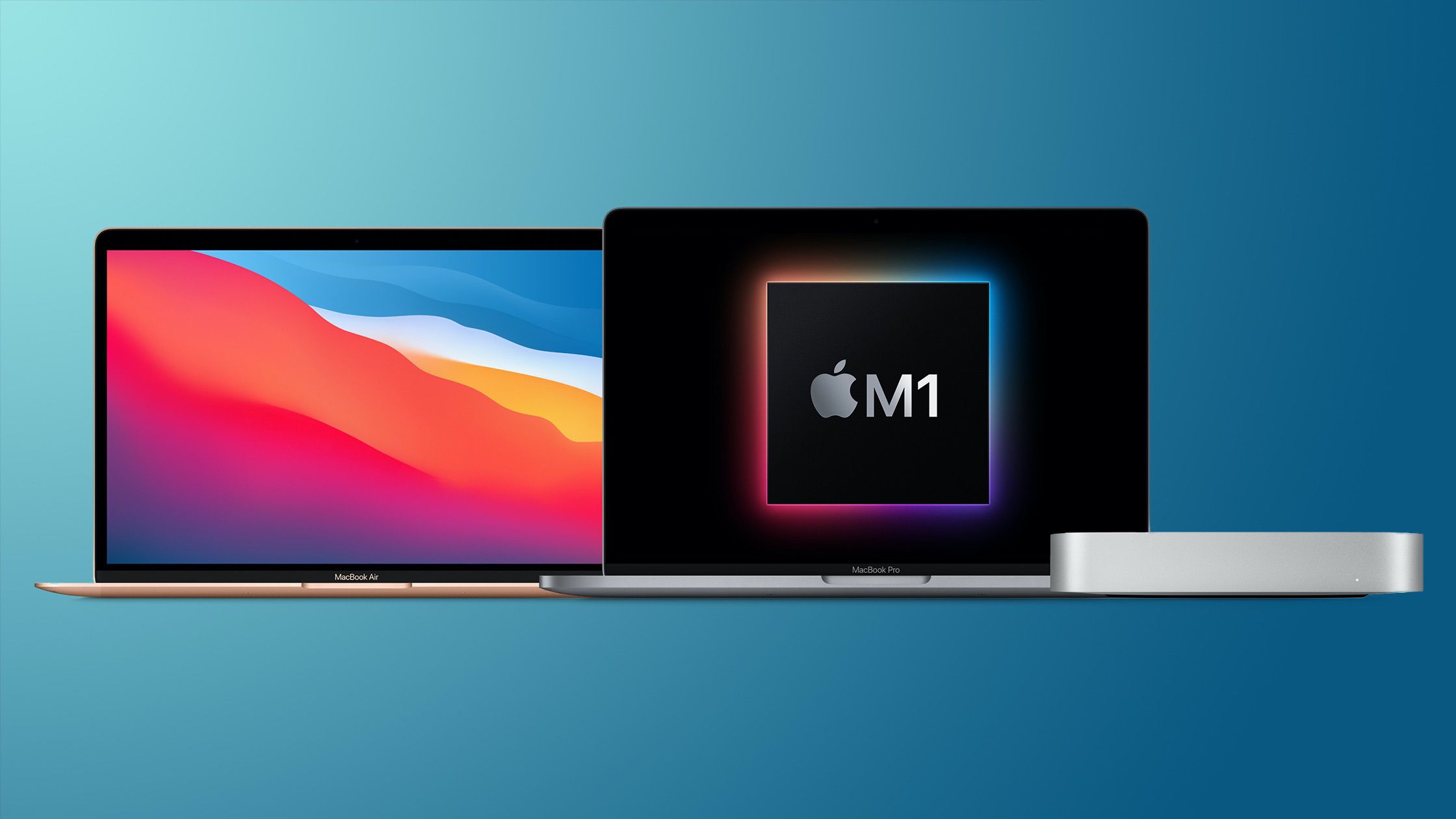
Mac trade-ins at Apple retail stores rose over 100% week-over-week amid the launch of the MacBook Neo and M5 MacBook Air, the largest surge in trade-ins since Apple silicon launches in 2020-21. Trade-ins were dominated by older, low-end models, indicating customers are upgrading to the MacBook Neo and M5 MacBook Air rather than M5 Pro/Max MacBook Pro models. New products are available in most Apple Stores for walk-in and pickup, suggesting retail availability is supporting demand.
The surge in trade-ins implies a front‑loaded, higher‑velocity upgrade cycle concentrated in the low‑end installed base rather than the pro segment, which changes the revenue mix: units likely increase materially in the near term while ASP improvement per unit is muted. That pattern favors recurring monetization (AppleCare, iCloud, accessories) over one‑time hardware margin expansion, so Services growth and attach rates become the more durable earnings lever over the next 2–12 months.
Second‑order beneficiaries include TSMC and advanced packaging vendors as higher M5/M‑family unit flows push wafer and substrate demand through the next two quarters; conversely, second‑hand market participants (certified refurb channels, independent resellers) will see larger supply and downward pressure on used Mac prices, compressing arbitrage margins. Retail working capital and refurb inventory on Apple’s balance sheet will rise in the near term, improving gross margin visibility only if Apple converts trade‑ins into high‑margin service subscribers or sells refurbished units with healthy spreads.
Key reversal risks are macro fatigue and supply constraints. If macro deteriorates, the low‑end upgrader cohort could pause, reversing the trade‑in momentum in weeks; if supply tightness prevents walk‑in fulfillment, demand could simply shift to later quarters rather than disappear, delaying but not negating revenue. Watch early sales cadence (first 2–4 weeks of retail sell‑through) and refurb resale pricing as leading indicators of whether this is a durable cycle or a short lived front‑load.
AI-powered research, real-time alerts, and portfolio analytics for institutional investors.
Request DemoOverall Sentiment
mildly positive
Sentiment Score
0.25
Ticker Sentiment
