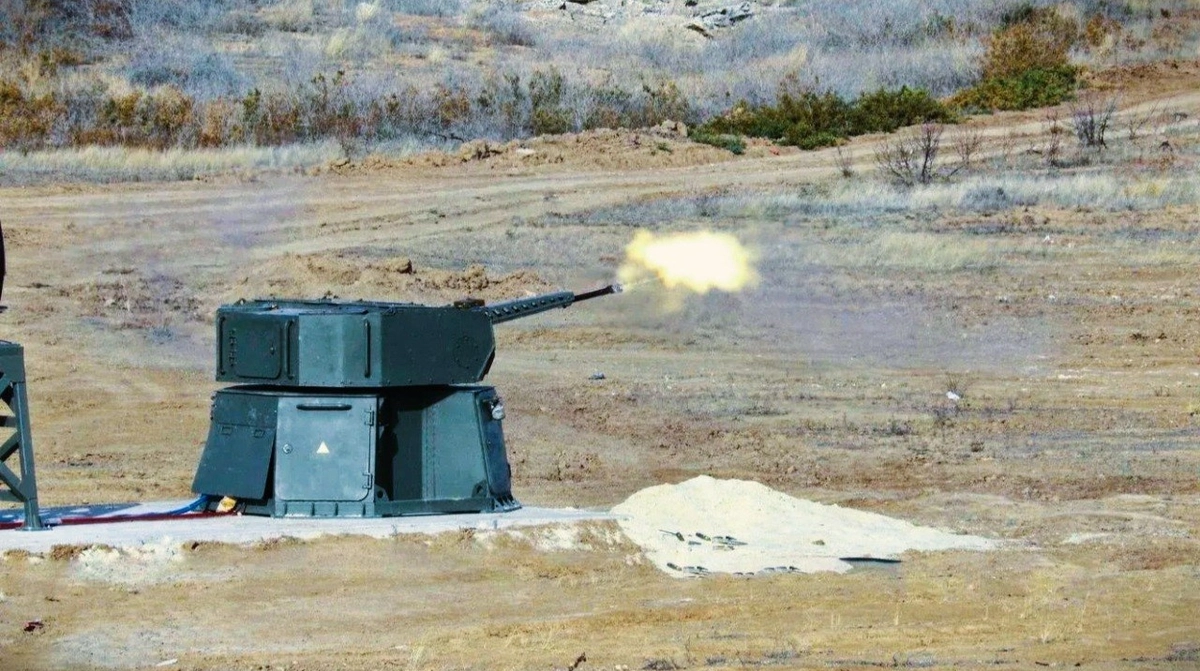
Russia unveiled details of the ZAK-30 Citadel anti-aircraft system, a 30mm anti-drone defense platform designed to protect military facilities around the clock. Rostec says the system combines remotely fused shells with optical-electronic and radar tracking, including visible and infrared channels, to improve drone interception efficiency. The announcement is primarily a military capability update and is unlikely to have direct market impact beyond defense-sector interest.
This is less about a single weapons launch and more about an incremental change in the cost curve of drone defense. If even partially effective, a higher-precision 30mm counter-UAS layer reduces the number of interceptors and manpower required per protected site, which is a tailwind for force protection budgets but a headwind for low-cost drone swarm economics. The second-order effect is that it raises the hurdle rate for cheap, expendable drones and shifts procurement toward either more survivable platforms, electronic warfare, or much larger swarms designed to saturate sensors and fire-control loops.
The near-term market read-through is on industrial and defense supply chains that can scale barrels, ammunition, optics, radar subsystems, and fire-control software faster than bespoke missile programs. Names exposed to allied counter-drone modernization may see order visibility improve over the next 6-18 months as militaries reallocate spend from high-end interceptors to layered base-defense systems. A less obvious implication: if point defenses become more economical, fixed installations and logistics hubs become relatively safer than maneuver formations, which can distort spending toward static infrastructure protection rather than frontline systems.
The main risk to the thesis is that announced performance often exceeds battlefield reality; counter-UAS systems tend to look better in controlled testing than under electronic warfare, weather, and mass-raid conditions. If the platform underperforms, procurement interest could fade within a few quarters, especially if cheaper FPV and loitering munitions continue to evolve faster than defensive apertures. For investors, the opportunity is less in the headline vendor and more in the broader ecosystem that sells detection, fire-control, and ammunition volume into a multi-year rearmament cycle.
Consensus likely underestimates how quickly counter-drone spending becomes modular and distributed across NATO-aligned procurement, especially for homeland security, bases, ports, and power infrastructure. The more important question is not whether this specific system works, but whether it signals another step in the commoditization of C-UAS, where margins migrate from exotic interceptors to mundane industrial components and software integration. That favors suppliers with diversified end markets and penalizes pure-play drone attack models unless they can materially improve speed, autonomy, or swarm coordination.
AI-powered research, real-time alerts, and portfolio analytics for institutional investors.
Request DemoOverall Sentiment
neutral
Sentiment Score
0.05
Ticker Sentiment
