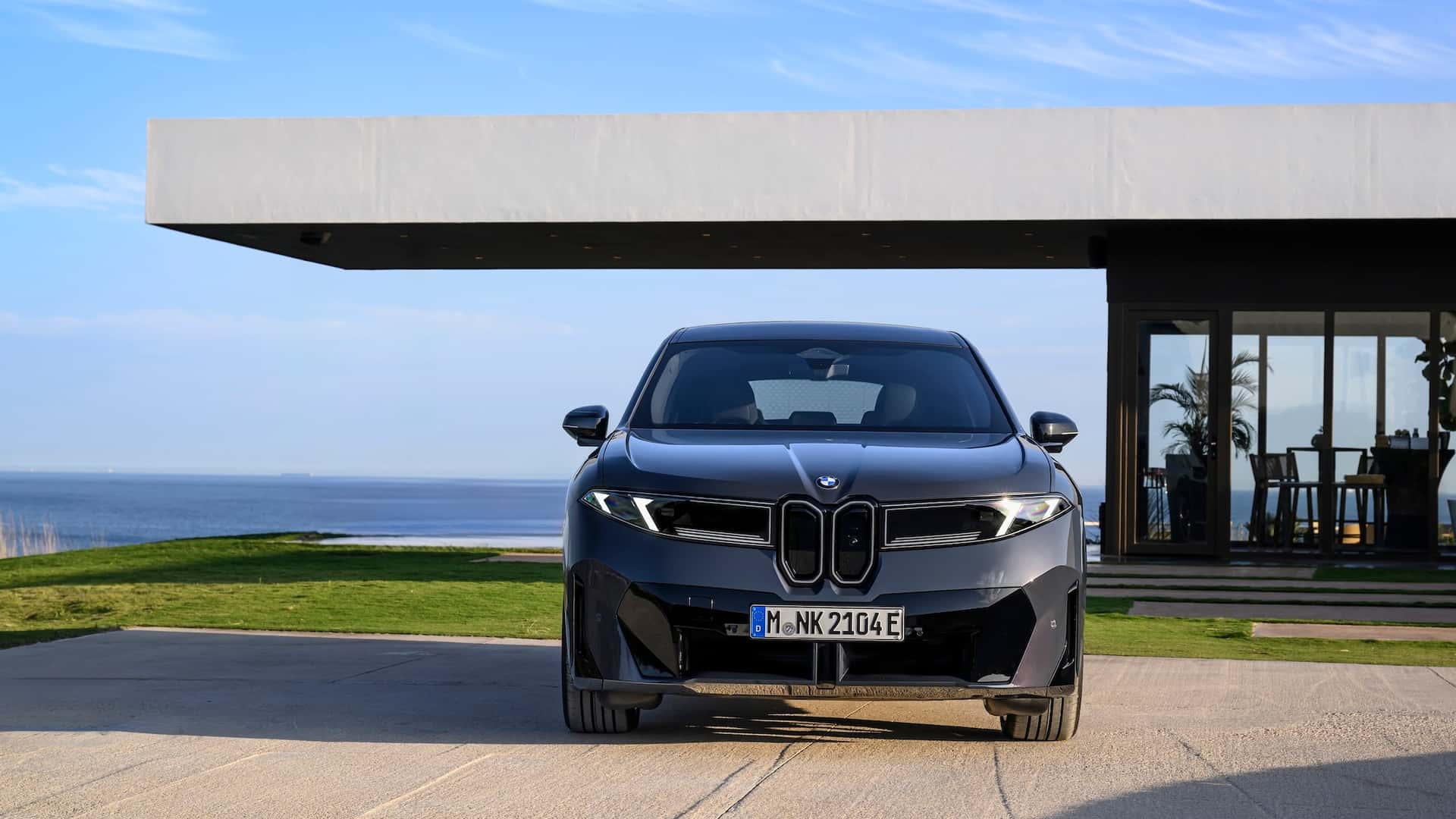
BMW has priced the 2027 iX3 xDrive50 at $62,850, making it $5,000 cheaper than the comparable X3 M50 xDrive while offering up to 434 miles of EPA-estimated range and 400 kW DC fast charging. Standard range is 383 miles on all-season tires, with deliveries in the U.S. set to begin in late September. The launch highlights BMW’s competitive EV positioning versus Tesla Model Y AWD on range and charging speed, though the article is primarily a product and pricing update rather than a major financial catalyst.
BMW is signaling that premium EV adoption is no longer a straight price-vs-range tradeoff; the product is now being positioned as the better value proposition versus both ICE and Tesla in the same size class. That matters because it shifts the competitive conversation from “EVs need subsidies to compete” to “legacy OEMs can undercut their own gas lineup while still defending luxury margins,” which is a much harder narrative for pure-play EV incumbents to neutralize.
For TSLA, the more important issue is not the single-model comparison but the broader compression of its premium-adjacent moat. A 400+ mile, fast-charging luxury crossover from a globally scaled OEM with dealer reach and brand equity pressures Tesla’s ability to hold pricing in the upper trim Model Y bucket; even modest cross-shop conversion can force incentive spend or mix deterioration over the next 2-4 quarters. The second-order effect is that Tesla’s product cadence risk becomes more visible: when legacy competitors close the range/charge gap and improve interior perceived quality, Tesla’s justification for premium pricing relies increasingly on software and ecosystem attach rather than hardware alone.
The contrarian point is that headline range will likely overstate near-term share gains. The all-season tire range penalty and option-heavy final pricing suggest real-world customer experience will hinge on spec discipline, while many buyers still value convenience, lease economics, and service network over max range. That means the competitive damage to TSLA is probably incremental rather than abrupt, but it is persistent and more visible in higher-income SUV buyers where substitution is easiest.
Over a 6-12 month horizon, the key catalyst is whether BMW’s delivery ramp validates the spec sheet with real-world availability and lease support. If BMW and peers can deliver these vehicles without heavy incentives, the pressure on Tesla’s premium crossover pricing could become a margin story before it becomes a unit-share story. Conversely, if launch pricing quickly drifts lower or supply stays tight, the signal weakens and the market may overreact to an announcement-phase threat.
AI-powered research, real-time alerts, and portfolio analytics for institutional investors.
Request DemoOverall Sentiment
mildly positive
Sentiment Score
0.25
Ticker Sentiment
