
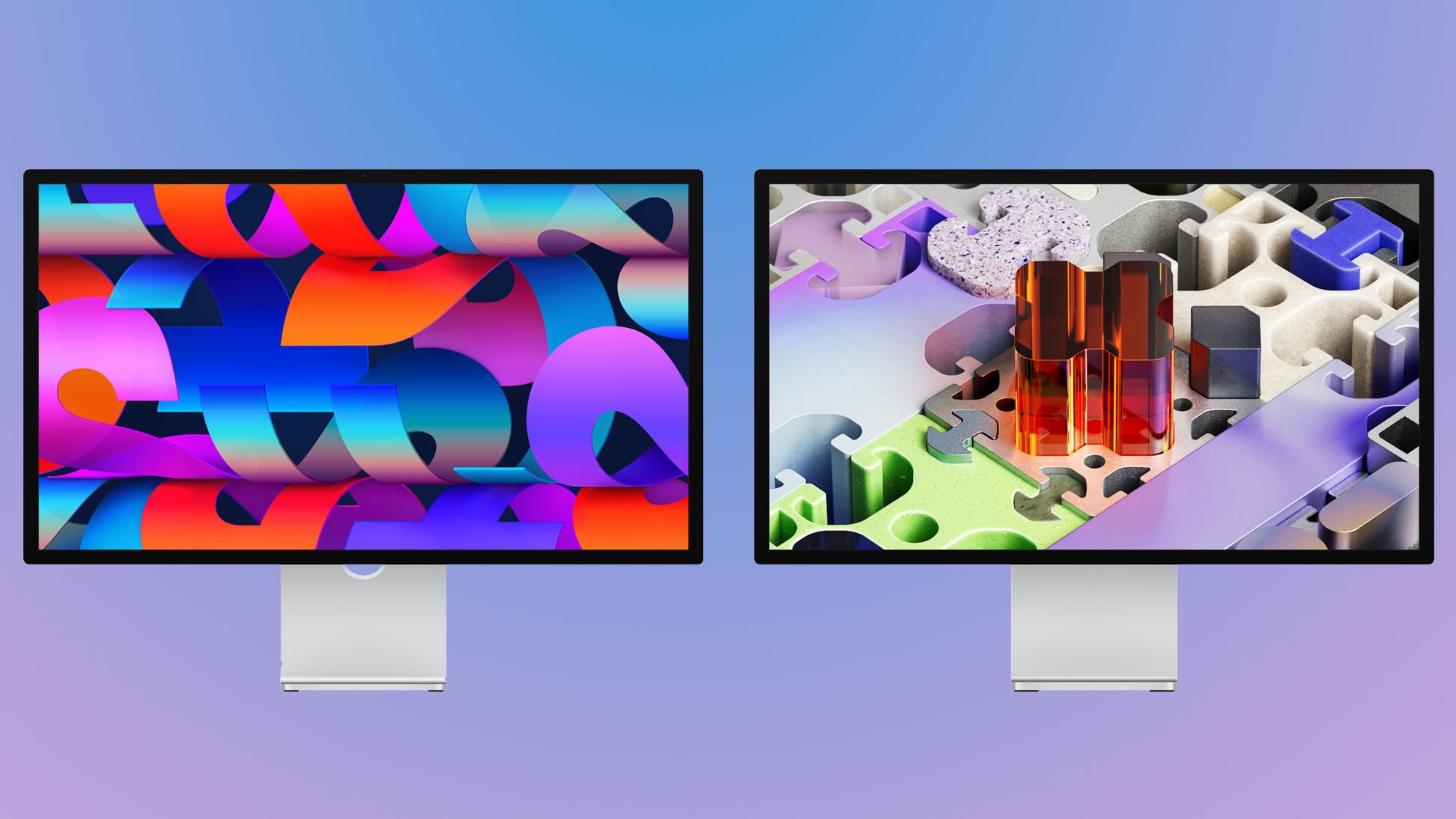
Firmware analysis confirms Apple's second-generation Studio Display contains an A19 chip while the higher-end Studio Display XDR uses an A19 Pro; the 2022 Studio Display used an A13 Bionic. The newer chips likely enable features highlighted by Apple — improved six‑speaker audio (30% deeper bass), Desk View camera functionality, and, for the XDR model, a 120Hz refresh rate with mini‑LED backlighting and higher brightness. Both models are available for pre‑order and launch on March 11; upcoming reviews and teardowns should provide further hardware confirmation relevant to product positioning and potential consumer demand.
Market structure: Apple (AAPL) and its premium accessory strategy are clear winners — A19/A19 Pro in Studio Displays increases ASP and ecosystem lock-in, likely adding a modest +1–2% to quarterly Mac/Peripherals revenue over 12 months while squeezing smaller monitor OEMs (DELL, HPQ). Chip and mini‑LED suppliers (TSM, AUO/BOE) gain incremental demand; pricing power for Apple’s displays allows 10–20%+ gross margin on peripherals vs commodity monitors. Impact on rates/FX is second-order: small positive to AAPL equity and semi suppliers, negligible sovereign bond moves, mild USD strength if tech sentiment broadens.
Risk assessment: Tail risks include supply/production hiccups for A19 Pro (TSMC capacity/yield) or negative teardown findings that remove perceived advantages; regulatory/antitrust actions around vertical integration are low-probability but high-impact. Immediate (days) risk: muted stock move until reviews; short-term (weeks) risk: 3–6% swing driven by teardowns and sell-through; long-term (quarters) risk: ecosystem stickiness vs. cannibalization of third-party display market. Hidden dependencies: mini‑LED vendor concentrations and firmware-dependent features (Desk View) that can materially change product value once reviewed.
Trade implications: Tactical: AAPL can be traded as a short-term event around March 11 launch and first reviews — consider defined-risk option exposure rather than large outright positions; semis (TSM) are a longer 6–12 month play on A-series demand. Pair ideas: long AAPL vs short commodity monitor makers (DELL/HPQ) to isolate premiumization. Key catalysts: March 11 sales cadence, first-week teardown reports, and April quarter guidance; expect 3–8% directional moves depending on qualitative reviews.
Contrarian angles: Consensus underestimates ecosystem value — even low unit sales can increase Mac retention and Services ARPU over 12–24 months, mirroring how AirPods scaled. Conversely, market may overrate near-term upside; if initial sell-through <50% of preorders or average review score <3.5/5, downside could be outsized. Historical parallel: Apple accessories (AirPods) started small but became meaningful; monitors may follow a slower curve, so prefer staged exposure with clear stop/scale rules.
AI-powered research, real-time alerts, and portfolio analytics for institutional investors.
Request TrialOverall Sentiment
neutral
Sentiment Score
0.10
Ticker Sentiment
