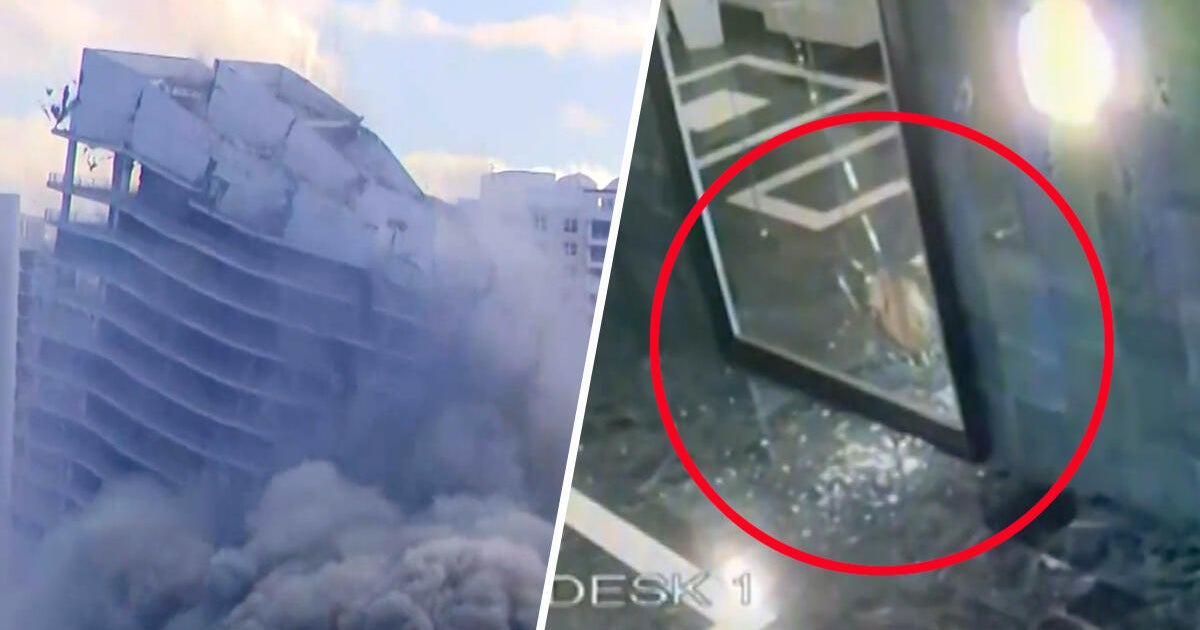
A controlled implosion of the former Mandarin Oriental in Miami reportedly sent debris into a nearby condo lobby, shattering windows and causing extensive cleanup costs that residents say could reach six figures. Residents at the nearby St. Louis condos also reported thick dust, building shake, and safety concerns ahead of future construction at The Residences at Mandarin Oriental. BG Group said the implosion was successfully completed and that minor glass damage was addressed, but residents described the impact as far more serious.
This is less a one-off nuisance than a small but useful read-through on liability migration in dense mixed-use redevelopment. The immediate loser is any party exposed to the demolition contractor’s insurance tower: property owners, adjacent condos, and potentially the project sponsor if indemnity language is weak or the implosion is deemed to have fallen short of “reasonable care” standards. In these events, the economic damage often exceeds visible physical damage because temporary relocation, mold remediation, and litigation over nuisance/disturbance claims can compound over 6-18 months. The second-order issue is project timeline risk for the new development. Even if the implosion itself is treated as a contained event, nearby resident complaints raise the odds of permit scrutiny, municipal condition tightening, and slower phased construction approvals. That can push out cash flow recognition for the sponsor and create a discount on pre-sold or premium-branded residences if buyers start demanding stronger completion guarantees, higher escrow protections, or broader force majeure language. The market implication is not in single-day headlines but in a broader repricing of urban high-rise development execution risk. Contractors and owners with weaker governance, thin balance sheets, or recurring safety incidents are likely to face higher bid spreads, larger contingency reserves, and potentially higher casualty insurance premiums over the next few quarters. The best contrarian angle is that the headline may overstate structural risk for the sector as a whole; the real exposure is concentrated in projects with aggressive schedules, constrained setbacks, or reputationally sensitive luxury branding where even minor incidents can impair sales velocity.
AI-powered research, real-time alerts, and portfolio analytics for institutional investors.
Request DemoOverall Sentiment
moderately negative
Sentiment Score
-0.30
