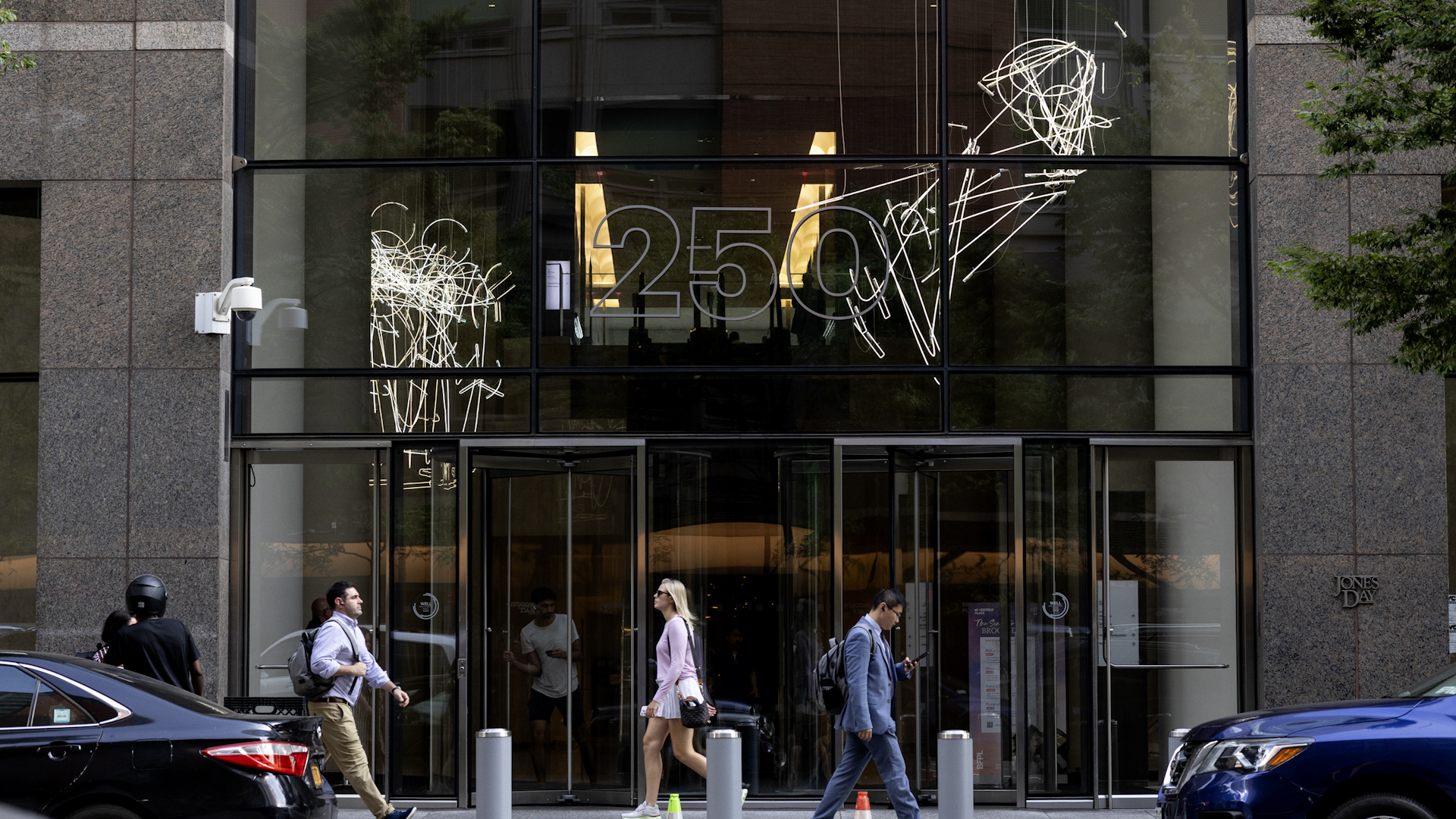
Non-bank liquidity provider Jane Street capitalized significantly on market volatility driven by President Trump’s tariff policies, with its second-quarter trading revenue surpassing JPMorgan Chase & Co.'s for the first time. This milestone indicates a notable shift in the financial trading landscape, highlighting the increasing prominence of non-traditional firms.
The second quarter marked a significant milestone in the financial trading landscape, as non-bank liquidity provider Jane Street's trading revenue exceeded that of incumbent giant JPMorgan Chase & Co. for the first time. This outperformance is directly attributed to the firm's ability to capitalize on heightened market volatility stemming from President Trump’s tariff policies, a condition that benefits specialized trading firms. The event underscores a structural shift where agile, technology-driven non-bank entities are increasingly challenging the dominance of traditional banking institutions in the trading space. While a strongly positive indicator for Jane Street's business model, this development represents a direct competitive erosion for established players like JPMorgan, as reflected by the negative sentiment associated with its position in this specific comparison.
AI-powered research, real-time alerts, and portfolio analytics for institutional investors.
Request DemoOverall Sentiment
strongly positive
Sentiment Score
0.75
Ticker Sentiment
