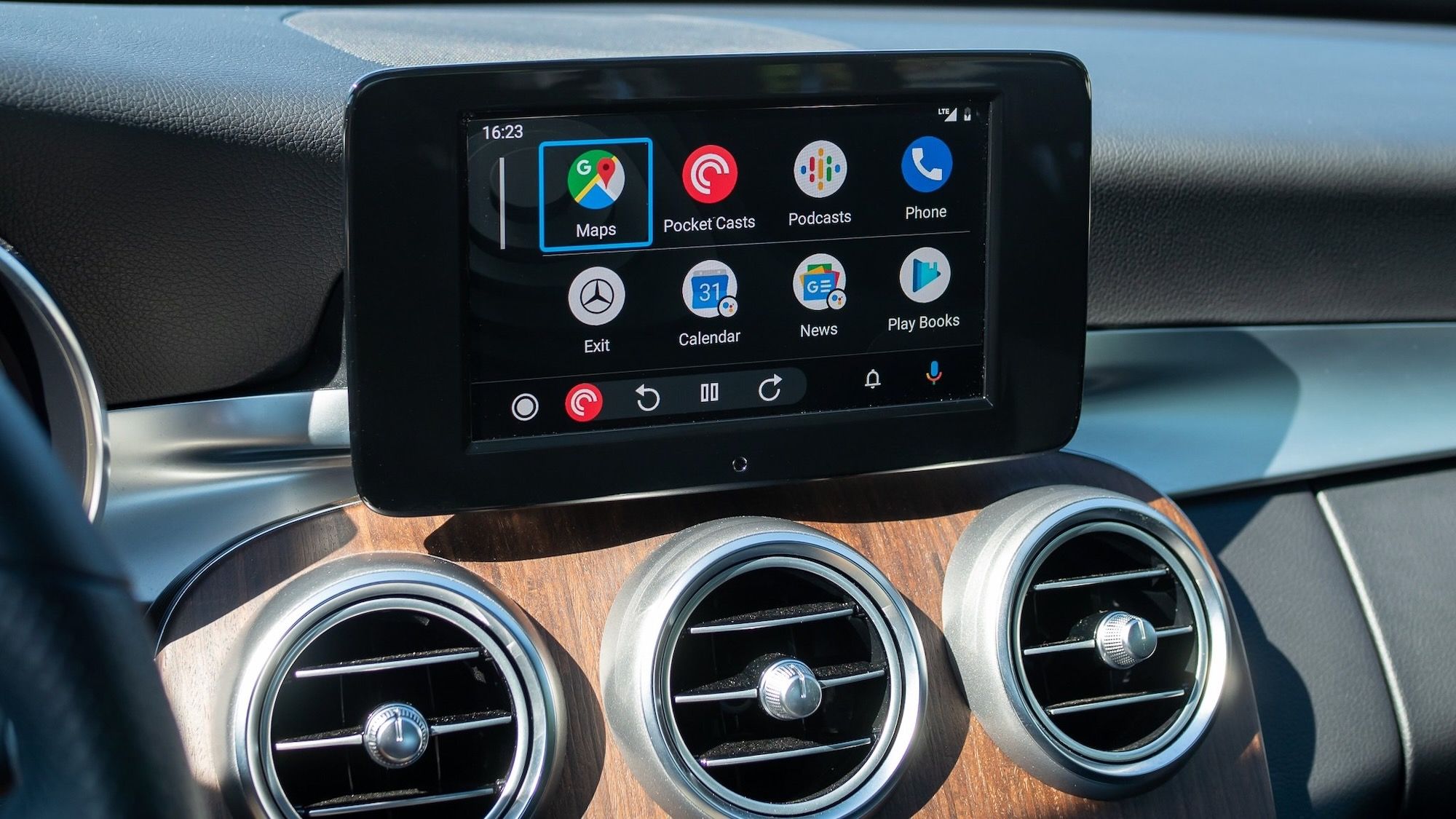
Google Meet is rolling out on Android Auto as an audio-only feature, with a simple Scheduled and History interface for joining meetings and recent calls in one tap. The update improves in-car productivity but remains limited by incomplete Work profile support and no video functionality, keeping the overall impact modest. Rollout is staged over the next week, suggesting a minor product update rather than a major market event.
This is less a standalone product catalyst than a distribution and lock-in move. The strategic signal is that both platform owners are defending the dashboard as a high-frequency engagement surface, and once voice-first workflows become normalized, the car becomes another node in the productivity stack rather than a neutral device. That benefits whichever ecosystem can make the handoff from phone to vehicle feel frictionless; in the near term, Google gains incremental Android Auto stickiness, while Apple’s earlier CarPlay launch likely forces Android users to ask why their in-car workflow should be limited by ecosystem lag. The second-order effect is not direct monetization but retention and default behavior. If meetings, calls, and calendar actions start originating in the car, switching costs rise because the user’s routine becomes embedded in the OS layer, not the app layer. That is structurally positive for GOOGL’s services moat, but the incremental impact is modest unless the company eventually extends beyond audio into more complete calendar and comms integration, which would take months rather than weeks. The main risk is that safety constraints and incomplete enterprise/work-profile support keep usage shallow. If the feature feels gimmicky or unreliable, adoption will skew to a narrow cohort of commuters and field workers, limiting any measurable engagement uplift. For AAPL, the earlier CarPlay presence is a small halo effect, but the broader competitive question is whether either platform can turn vehicle time into a higher-value productivity channel without triggering user backlash over work intrusion. Contrarian view: the market may overestimate revenue relevance and underestimate ecosystem defensibility. This is not a direct ARPU driver; the real value is preventing churn and increasing default dependence on each OS. The upside is therefore slow-burn and compounding, while the downside is mostly reputational if users conclude the car is becoming an always-on office.
AI-powered research, real-time alerts, and portfolio analytics for institutional investors.
Request DemoOverall Sentiment
neutral
Sentiment Score
0.15
Ticker Sentiment
