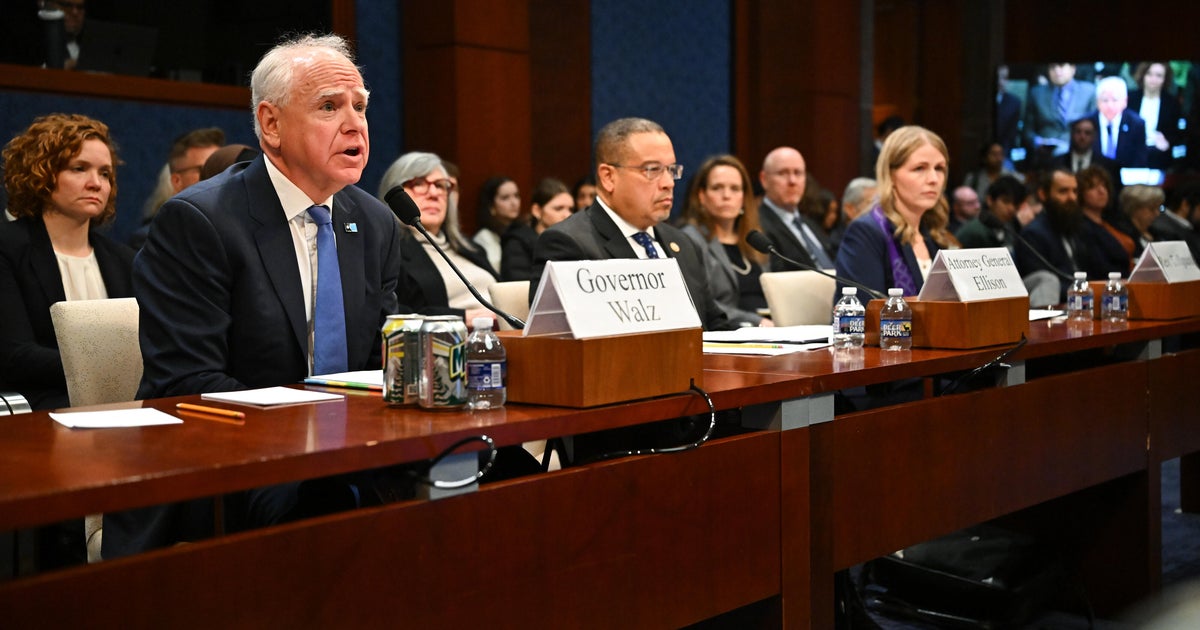
Gov. Tim Walz and Attorney General Keith Ellison testified before the House Oversight Committee amid GOP allegations they ignored or concealed widespread fraud and 'misuse' of federal funds in Minnesota’s social services programs, including the $250 million Feeding Our Future scheme. A committee report claims credible fraud concerns dating to 2019, whistleblower retaliation and continued payments despite identified program deficiencies, while former prosecutor Joe Thompson has suggested Medicaid fraud could total $9 billion or more; Ellison cited roughly 300 Medicaid fraud convictions and $80 million recovered. Lawmakers also debated the impacts of Operation Metro Surge and departures from the U.S. Attorney’s Office, which officials say have hampered fraud prosecutions, raising fiscal, regulatory and political risk for the state and potential federal enforcement implications.
Market structure: The hearings increase regulatory scrutiny on Medicaid providers and state programs, advantaging vendors that sell compliance, claims-auditing, and forensic services while compressing margins for small/community providers and nonprofits reliant on Medicaid receipts. Expect reprocurement and consolidation: large national managed-care plans and government-admin services (higher fixed-cost amortization) gain negotiating leverage over local providers within 3–12 months. Minnesota-specific fiscal stress (possible clawbacks $250M–$1B) will modestly widen MN muni spreads vs. national munis by ~10–30bps if prosecutions/recoupments escalate.
Risk assessment: Tail risks include a DOJ-led recovery >$1B, federal funding clawbacks, or political escalation leading to conditional federal grants; these would materially hit regional providers and state budgets over 3–18 months. Immediate (days) risk is headline-driven volatility; short-term (weeks–months) risk centers on subpoenas/indictments; long-term (quarters) risk is structural—higher compliance cost and potential enrollment/payment delays. Hidden dependency: prosecution staffing and federal-state cooperation; loss of federal prosecutors materially delays recoveries and sustains uncertainty.
Trade implications: Direct plays favor publicly traded gov‑services/compliance vendors (e.g., MMSI) and law/forensics beneficiaries; weaken small Medicaid-reliant healthcare operators (e.g., Centene vulnerability). Tactical pair: long MMSI vs short CNC (Centene) to capture reprocurement upside and Medicaid-payment risk respectively. Muni trade: underweight MN GO if 10y MN-MMD spread >15bps; use 3–9 month horizons for options/credit hedges.
Contrarian angles: Consensus may overstate systemic contagion—if federal recoveries are < $500M or prosecutions stall, market could rotate back into regional healthcare names; that pathway favors long positions in well-capitalized regional operators inside 6–12 months. Historical analogue: post‑fraud crackdowns (2010s) drove outsourcing spend up—early-stage selloffs in vendor names were buying opportunities. Unintended consequence: heavy enforcement can accelerate consolidation, benefiting national suppliers faster than expected.
AI-powered research, real-time alerts, and portfolio analytics for institutional investors.
Request TrialOverall Sentiment
moderately negative
Sentiment Score
-0.45
