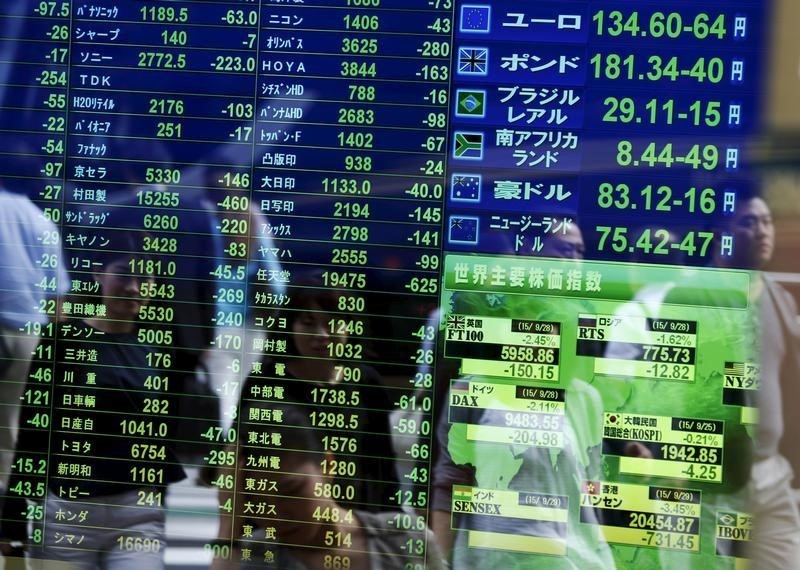
Oil prices surged after the US tightened sanctions on Iranian oil exports following attacks in the Strait of Hormuz, keeping inflation concerns elevated. Asia stocks traded lower overall despite rebounds in parts of the AI supply chain—SK Hynix jumped 5.1% (vs. a broader AI-semiconductor selloff after Samsung’s blockbuster earnings), while the KOSPI slipped 0.9%. Investors also looked to multiple regional inflation prints and expected central-bank actions (e.g., a 25bps hike expected in New Zealand and possibly another 25bps in the Philippines), reinforcing caution toward richly valued AI-linked semiconductors.
The immediate market read-through is not “oil up = energy up” so much as “inflation impulse = multiple compression.” For the next 1-3 weeks, that is more negative for AI/semis than the direct earnings hit, because higher fuel and freight costs push out easing expectations and shorten the market’s patience for high-duration names. In that regime, quality still matters: TSM is better insulated than the broader Asia AI basket because foundry scarcity and customer stickiness give it more pricing power if supply chains get noisy.
The second-order loser set is broader than the article’s tech tape suggests. Asian manufacturers with imported energy exposure, thin gross margins, or heavy logistics dependence will feel the squeeze first, and that can cascade into delayed orders, weaker inventory turns, and lower capex appetite across the semiconductor equipment and component chain. If crude stays elevated into the next CPI/Fed minutes window, the market will likely punish the more crowded AI beneficiaries first and ask questions later.
Contrarian view: this could still be a short-lived geopolitical premium rather than a durable supply shock. If shipping disruption does not translate into lost barrels or if diplomatic chatter cools quickly, crude can retrace before the macro impact is fully felt, and the recent semis selloff could become a buying opportunity rather than the start of a de-rating cycle. The key falsifiers are a quick reversal in Brent/WTI and benign inflation prints that restore the easing narrative.
AI-powered research, real-time alerts, and portfolio analytics for institutional investors.
Overall Sentiment
mildly negative
Sentiment Score
-0.25
Ticker Sentiment
