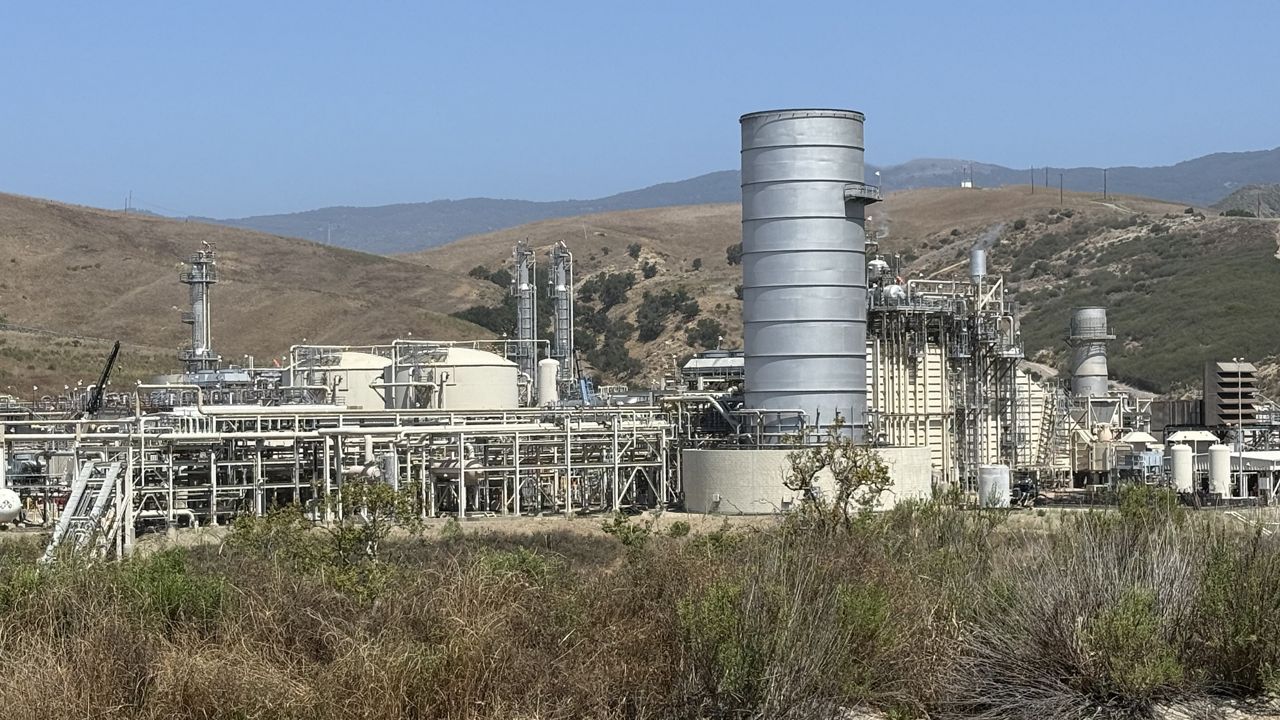
Controversy is intensifying around the restart of offshore oil operations along the Santa Barbara County coast, with Governor Gavin Newsom and environmental activists opposing the move after prior oil spills in the area. Trump administration officials visited Friday and defended the resumption, underscoring the political and regulatory conflict. The article is focused on policy and environmental pushback rather than direct market data, but it could influence sentiment toward coastal oil operations and permitting risk.
This is less an oil-supply story than a political-risk premium story: the market is being asked to price a higher probability that incremental US offshore barrels face a stop-start approval path. That matters most for smaller E&Ps and offshore service names because their valuation is more sensitive to permit cadence and asset uptime than to spot crude alone. The immediate beneficiaries are refiners and import-exposed end users if local policy friction constrains domestic output at the margin, while the longer-duration losers are capital allocators considering Gulf/West Coast permitting risk across the entire US offshore complex.
The second-order effect is that regulatory uncertainty increases the option value of existing permitted production versus undeveloped projects. Over the next 3-12 months, that tends to favor large integrated producers with diversified basins and balance sheets over pure-play offshore names; they can absorb political whiplash without having project NPV reset every election cycle. It also supports a modestly higher domestic crude risk premium if headlines keep threatening supply disruptions, but the effect is likely episodic rather than structural unless this escalates into permit revocations or litigation that actually curtails volumes.
The contrarian view is that the market may be overestimating the economic impact and underestimating how much of this is signaling for domestic politics. If the offshore restart is small in absolute barrels, the tradeable move may fade quickly after the initial headline response, especially if broader crude fundamentals are soft. The real catalyst to watch is not rhetoric but enforcement: any court action, lease moratorium, or explicit federal/state licensing change would shift this from noise to a months-long supply constraint.
AI-powered research, real-time alerts, and portfolio analytics for institutional investors.
Request DemoOverall Sentiment
mildly negative
Sentiment Score
-0.20
