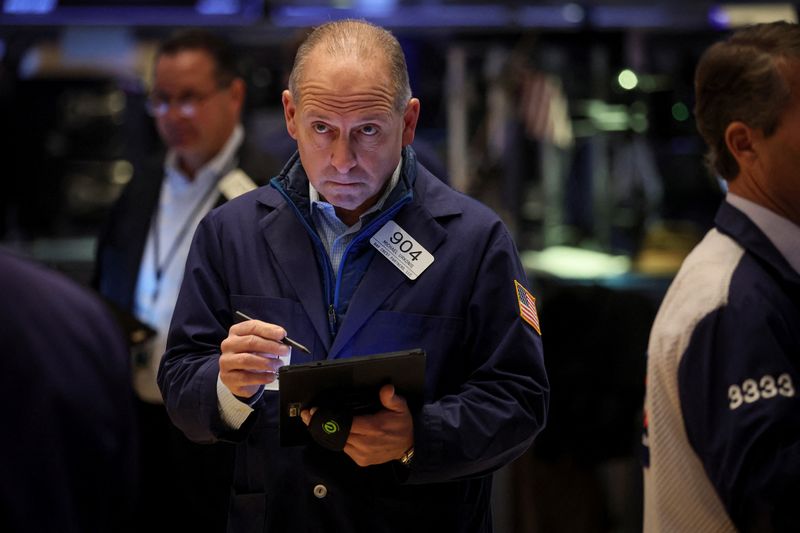
U.S. markets were mixed as the S&P 500 was flat at 7,553.41, the NASDAQ fell 0.7%, and the Dow rose 1.3%, with Broadcom sliding 14.6% after earnings guidance disappointed despite 48% Q2 revenue growth. Semiconductor weakness was partly offset by strength in healthcare and continued AI enthusiasm, while Middle East tensions and oil-price moves kept the market risk backdrop elevated. Brent crude fell 2.7% to $95.19 and WTI dropped 3.5% to $92.69, while 2-year and 10-year Treasury yields eased on the day.
The market’s message is that AI capex remains the dominant secular driver, but leadership is narrowing. Broadcom’s weak post-print reaction is less about one company and more about the fact that the “infrastructure beneficiaries” trade is now vulnerable to any miss on guide quality; names with long duration AI narratives and rich multiples are most exposed to multiple compression, while the actual end-demand leaders can keep absorbing volatility. That creates a second-order rotation from semis with stretched expectations into platform-scale buyers and monetizers of AI compute, where earnings visibility is better and valuation support is less fragile.
The bigger macro tell is that geopolitics is now acting more through rates than through equities directly. If energy stays elevated, the Fed can keep the front end tighter for longer, which pressures the highest-duration parts of tech first; even modest changes in 2-year yields matter more for semis and software than for healthcare or cash-rich mega-cap platforms. The immediate consequence is that “buy the dip” still works on the index, but not indiscriminately — the dip is more likely to be bought in AI demand winners and defensives than in cyclically levered chip names.
The contrarian read is that the selloff in semis may already be doing the job of resetting expectations faster than fundamentals are deteriorating. If Friday labor data softens without a growth scare, the market can quickly re-price toward a lower-rate path, which would mechanically support high-multiple tech and short-duration growth. So the near-term risk is not a broad equity correction; it is a factor rotation where earnings disappointments in the AI supply chain get punished harder than the index, while the broader market stays resilient.
AI-powered research, real-time alerts, and portfolio analytics for institutional investors.
Request DemoOverall Sentiment
neutral
Sentiment Score
-0.05
Ticker Sentiment
