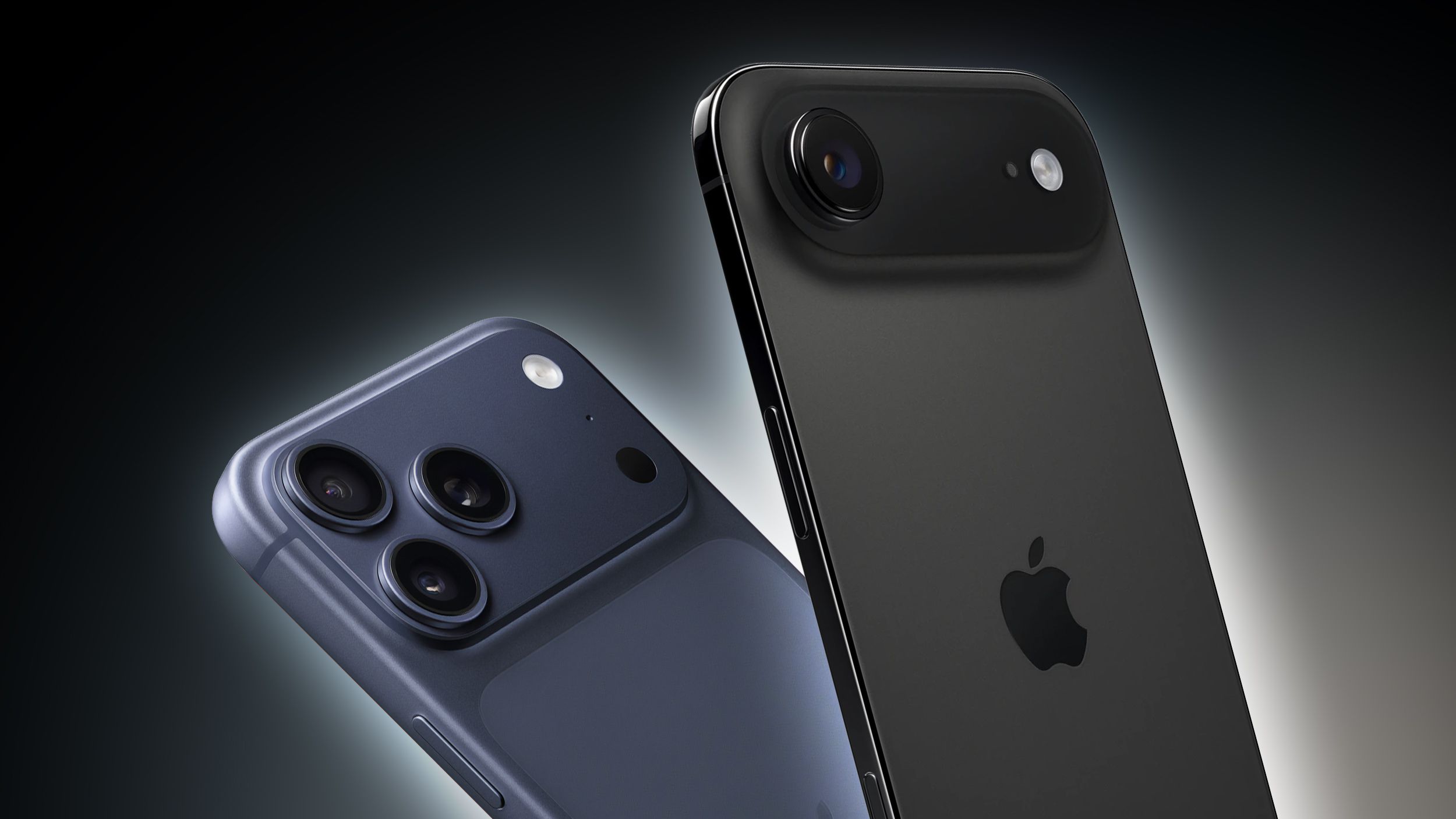
Memory is projected to rise to as much as 45% of iPhone component costs by 2027 from about 10% today, creating a material margin headwind for Apple. AI infrastructure buyers such as Nvidia are reportedly outbidding consumer electronics makers for limited DRAM/NAND supply, forcing Apple to compete for memory and potentially pass costs through to consumers or absorb a margin hit. The pressure is already influencing the iPhone 18 rollout, with a split launch expected and the lower-priced model delayed until spring 2027.
The key setup is not just Apple margin compression; it is a rerating of bargaining power across the memory stack. When a top-tier OEM can no longer dictate pricing, it usually means the marginal unit is being allocated to the highest-value end market, and today that is AI infrastructure rather than consumer hardware. That should support memory pricing discipline for longer than the market expects, but it also increases the probability of demand rationing in consumer devices if handset makers refuse to absorb higher input costs.
For Apple, the second-order effect is product mix, not just gross margin. A staggered launch and potential price increases are a classic way to preserve headline margins, but they can also pull forward premium-tier demand while delaying volume in the mass segment, which is structurally worse for ecosystem lock-in in key growth geographies. In India and China, where financing sensitivity and local competition matter more, a modest price step-up can be more damaging to units than to revenue, implying a potential disconnect between reported ASPs and true competitive share.
The broader loser is any hardware name dependent on memory intensity without pricing power; the winner is the supply chain that controls wafer capacity and packaging bottlenecks, though even there the benefit is nuanced. Samsung and SK Hynix/Micron may enjoy better pricing, but if cloud customers are prepaying to reserve capacity, near-term volume gets locked up and capex returns become more visible, which can cap multiple expansion if investors start discounting peak-cycle economics. The contrarian read is that the market may be underestimating how quickly Apple can defend margins through mix, services attach, and launch timing, meaning the earnings hit could be smaller than the share-shift narrative suggests over the next 2-3 quarters.
AI-powered research, real-time alerts, and portfolio analytics for institutional investors.
Request DemoOverall Sentiment
mildly negative
Sentiment Score
-0.25
Ticker Sentiment
