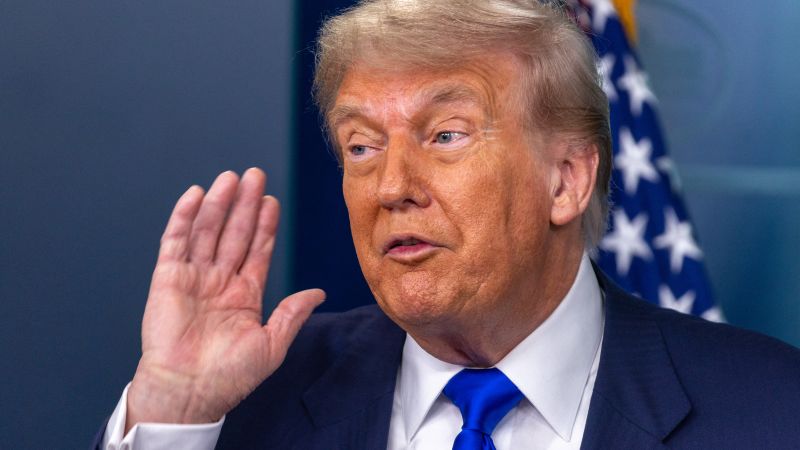
US President Trump expressed significant doubt about reaching a trade deal with Japan, threatening new tariffs of 30-35% and confirming he will not extend the current tariff pause beyond July 9. Citing unsubstantiated claims about Japan's purchasing of US rice and cars, Trump's stance signals a high probability of escalating trade tensions and new levies, particularly on crucial Japanese auto exports, despite Tokyo's continued commitment to "sincere and honest discussions" to benefit both nations.
The likelihood of a US-Japan trade deal has materially diminished following President Trump's explicit doubts and his confirmation that the current tariff pause will not be extended beyond its July 9 deadline. The administration is threatening to impose new tariffs, potentially as high as 30-35%, on Japanese goods. This aggressive stance is being justified by claims regarding Japan's purchases of US rice and automobiles, which are directly contradicted by data from the US Census Bureau and the Japan Automobile Importers Association, suggesting the rhetoric is not grounded in reported trade flows. The central point of contention remains the existing 25% US tariff on Japanese automobiles, a critical sector for Japan's economy, with no indication of US willingness to concede. Despite Japan's stated commitment to continued negotiations, the combination of a hard deadline and escalating threats points to a significant risk of increased trade friction, a conclusion supported by the strongly negative sentiment and high market impact signals associated with this development.
AI-powered research, real-time alerts, and portfolio analytics for institutional investors.
Request DemoOverall Sentiment
strongly negative
Sentiment Score
-0.70
